
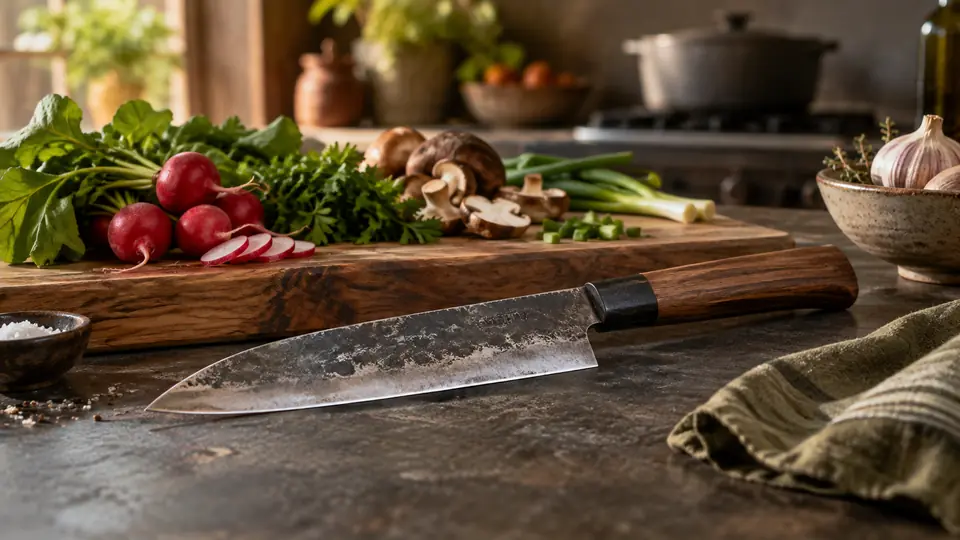
Walk into any busy kitchen and you will hear the soft whisper of a blade against a board. For many cooks that sound belongs to a santoku shaped from carbon-rich steel. Buyers shopping for the best carbon steel santoku knife are usually chasing three things: a keen edge that slices tomatoes without crushing them, steel that takes and holds a precise bevel, and a handle that keeps long prep sessions painless. People often make two mistakes when hunting for a santoku: assuming all “high carbon” labels mean the same thing, and choosing a long blade when a shorter, more nimble blade would actually speed up their routine.
What matters most is matching steel type and hardness to how you cook. If you love thin sashimi-style cuts you want a harder, take-and-hold steel with a low cutting angle. If you live in a busy family kitchen you might prefer stainless-hybrid high-carbon steel for easier maintenance. Different cooks prioritize different traits, so this guide balances budget picks, high-end steels, compact blades for small hands, and knives built for edge retention. My top overall pick blends build quality, steel choice, and everyday usability into a versatile santoku that performs in both home and semi-professional kitchens.
If you are short on time, the comparison table below gives a fast, scannable overview of the top picks and where each excels.
Best Carbon Steel Santoku Knife Comparison Table
| Product | Best For | Main Strength | Key Specs |
|---|---|---|---|
| Babish 6.5″ Santoku | Best Overall | Forged 1.4116 German Steel, balanced feel | 6.5″, Full Tang, Granton Edge |
| KEEMAKE 7″ Santoku | Best Premium | 440C Japanese Steel, hydrophobic black coating | 7″, 58+ HRC, Rosewood + G10 Bolster |
| Cutluxe 5″ Santoku | Best Value | Hand-sharpened German steel, solid ergonomics | 5″, Full Tang, Pakkawood Handle |
| imarku 7″ Santoku | Best Versatile | Hollow edge, broad 7″ profile for slicing | 7″, Japanese High-Carbon Stainless, 2.5mm |
| imarku 5″ Santoku | Best For Small Hands | Short, nimble blade for tight control | 5″, Japanese High-Carbon Stainless, 2.3mm |
| HOSHANHO 7″ Santoku | Best Heavy Duty | Triple-layer laminated high-carbon steel, high HRC | 7″, 10Cr15CoMoV, 62 HRC |
| Huusk 7″ Santoku | Best Styled Knife | Laser pattern blade and granton edge for low drag | 7.28″, Japanese High-Carbon, Resin Handle |
| DiiHAUZZ 7″ Santoku | Best No-Stick Features | Granton/hollow edge and thin 12°-15° angle | 7″, 5Cr15MoV, Full Tang |
| SHAN ZU 5″ Santoku | Best Mini/Compact | Low weight, 12° cutting angle for razor sharpness | 5″, 5Cr15Mov, Red Sandalwood Handle |
The table above gives a quick orientation. Read on for full reviews, which explain who each knife suits and when to pick one over another.
1. Best Overall: Babish 6.5 Inch Santoku Knife
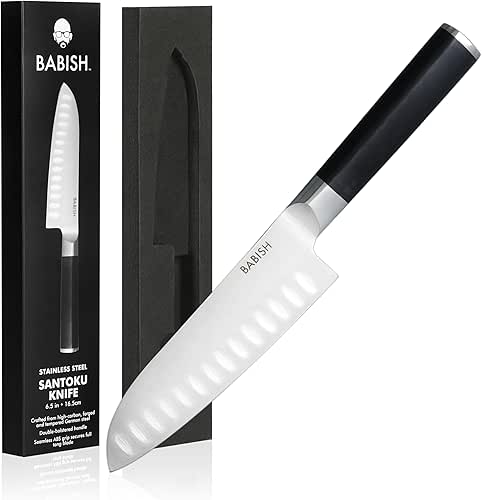
One reason this option stands out is its forged construction from 1.4116 high-carbon German steel. That single-piece-forged build gives the Babish a satisfying mid-weight balance that makes long prep sessions feel easier. Imagine slicing through a pile of bell peppers for Sunday meal prep and feeling the blade glide with minimal drag thanks to the granton-style scallops. Or picture filleting a salmon for a dinner party where consistent, thin slices matter; the steel and edge geometry hold up and deliver repeatable results.
For cooks who value edge retention and a solid, durable feel, this santoku finds a sweet spot between aggressive hardness and everyday practicality. The full-tang handle balances the blade and helps the knife sit comfortably in a variety of grips. It is particularly good for those who alternate between push cuts for herbs and straight slices for proteins, because the blade shape is versatile without being too long or floppy.
Pros
- Forged from a single piece of high-carbon 1.4116 German steel for durability
- Full-tang construction provides balanced handling
- Granton edge reduces sticking and drag when slicing
- 6.5″ length is versatile for home and light professional use
- Hand-finished edge for immediate sharpness out of the box
Cons
- Requires proper hand-washing and prompt drying to protect the edge and finish
- Some cooks may prefer a narrower 15° edge for ultra-thin sushi-style cuts
The Babish 6.5″ works for most cooks who want a single santoku that will do everything well. It performs best in kitchens where versatility matters: weeknight dinners, weekend meal prep, and social cooking. If you like a slightly lighter knife or you plan on heavy duty butchers’ work, look elsewhere. For most users the tradeoff of a robust, easy-to-control blade makes this a top recommendation.
To buy this product, click here.
2. Best Premium: KEEMAKE Santoku Knife 7 Inch

For buyers who prioritize build quality and premium materials, KEEMAKE’s 440C santoku is built to impress. The Japanese 440C steel with a 58+ HRC strikes a balance between edge retention and re-sharpening ease. Picture preparing a multi-course dinner where you slice citrus for a dressing, shave carrots for a salad, and break down boneless chicken. The rosewood handle paired with a G10 bolster feels weighty and controlled, so extended prep doesn’t wear on your wrist.
Two real-world scenarios where this knife shines: first, weekend meal batching where a harder steel keeps its edge across dozens of cuts; second, gift-giving when you want the knife to look and feel premium on the first unboxing. KEEMAKE’s hydrophobic black coating helps with non-stick performance and corrosion resistance, while the octagonal wood handle adds tactile warmth compared with polymer grips.
Pros
- Premium 440C high-carbon stainless steel with strong edge retention
- Hydrophobic black blade coating for rust resistance and low stick
- Rosewood handle with G10 bolster for secure, attractive grip
- Even balance at the bolster for stable, confident cutting
- Feels and looks like an upgrade from typical entry-level santokus
Cons
- Higher-end finish demands careful hand-washing and maintenance
- Black coating will show scratches over time with heavy use
Choose the KEEMAKE if you want a premium santoku that performs and presents. It is well suited to cooks who appreciate traditional materials and a substantial feel. Skip this one if you prefer a lightweight blade or you want a knife that’s completely maintenance-free; the payoff is durability and a refined cutting experience.
To buy this product, click here.
3. Best Value: Cutluxe Santoku Knife 5 Inch
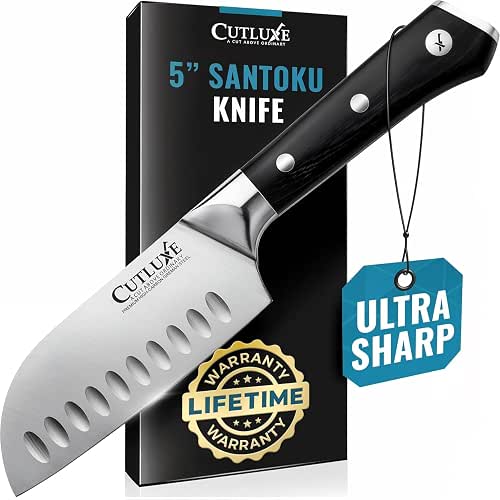
If your priority is solid performance without spending a lot, Cutluxe’s 5″ santoku is an appealing pick. It’s forged from German high-carbon steel and finished with a hand-sharpened edge in the 14–16° range, so you get a keen blade that stays useful for many sessions. Picture using it to prep brunch: fine-diced onions for an omelet, delicate herb chiffonade, and quick fruit slices for a salad. The compact length gives excellent control for precision tasks.
Another scenario is kitchen gifting. The presence of a pakkawood handle and a lifetime warranty speaks to the brand’s confidence, making it a safe choice when you want to give someone a reliable tool. It’s balanced for a small-to-medium hand and excels at chopping and push cuts where a shorter blade is easier to manage.
Pros
- Hand-sharpened edge for immediate cutting performance
- Forged German high-carbon steel offering good edge retention
- Pakkawood handle that feels stable and comfortable
- Compact size is user-friendly for most home cooks
- Lifetime warranty provides peace of mind
Cons
- Smaller blade limits reach for long slicing tasks
- Higher hardness steels in premium knives will outlast it in edge life
This is a practical pick for home cooks who want an everyday santoku without fuss. It’s great for precision work and for cooks who like having a nimble blade at the ready. If your work requires repeated long cuts—carving roasts or slicing large loaves—consider a 7″ model instead.
To buy this product, click here.
4. Best Versatile: imarku Chef Knife 7 Inch Santoku

If your goal is an everyday workhorse, imarku’s 7″ santoku earns a place on many bladesmith lists for good reason. The 7-inch profile gives extra reach for slicing larger produce and proteins while the hollow (scalloped) edge helps prevent sticking when you slice wetter foods. Imagine preparing a stir-fry and watching thin zucchini and mushrooms slide away from the blade rather than cling to it. The 2.5mm thickness and hand-polished 15–18° edge give a reliable mix of bite and durability.
Another common situation where this knife shines is batch prep for dinner parties. When you need to quickly dice a couple dozen carrots and onions, the longer blade shortens prep time without feeling cumbersome. The pakkawood handle reduces wrist tension the longer you work, which is a real advantage during marathon chopping sessions.
Pros
- 7″ length offers reach for a range of tasks from chopping to slicing
- Hollow edge reduces sticking on wet produce and proteins
- Hand-polished edge delivers immediate sharpness
- Pakkawood handle for comfortable, extended use
- Versatile for home cooks and light professional use
Cons
- Wider blade demands more care when storing and cleaning
- Pakkawood requires hand-washing and careful drying to maintain finish
Pick this imarku 7″ if you want a single santoku to handle both large and fine tasks. It is a sensible middle ground when reach matters but you still want the low-drag performance of a scalloped edge. Those who prefer ultra-light knives or who need a compact option should look to the 5″ alternatives.
To buy this product, click here.
5. Best For Small Hands: imarku Santoku Knife 5 Inch
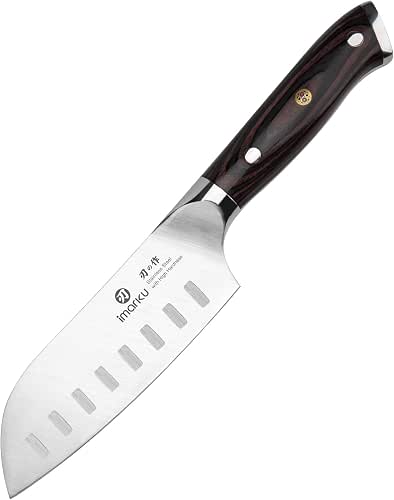
If tight control and fingertip maneuverability are priorities, the imarku 5″ santoku is built around that idea. The shorter blade concentrates cutting force at the edge which helps achieve ultra-thin slices and precise cuts. Picture a home cook with smaller hands dicing an onion quickly with minimal wrist strain, or a person preparing sushi-style fish slices where accuracy matters. The Pakkawood handle and 15–18° bevel make it friendly for long prep without fatigue.
Another common use case is snack and small-plate cooking. When you prepare a charcuterie board, cube a small melon, or trim herbs, the compact blade keeps everything feeling tidy and nimble. The anti-stick surface pattern reduces drag and prevents thin slices from clinging, which is useful when you’re finishing a plate that needs neat presentation.
Pros
- Compact 5″ blade offers high maneuverability
- Pakkawood handle designed for comfort and low wrist strain
- Hand-polished 15–18° edge for sharp, accurate cuts
- Anti-stick blade pattern reduces food sticking when slicing
- Comes in a gift-ready box
Cons
- Shorter blade limits reach for long slicing tasks
- High-carbon stainless finish needs proper care to avoid spotting
This 5″ imarku is ideal for cooks with smaller hands or anyone who values precision. It excels in fine prep and on days when you are working with many small components. If you frequently slice large roasts or long loaves, a longer santoku will speed those jobs.
To buy this product, click here.
6. Best Heavy Duty: HOSHANHO 7 Inch Japanese Chef Knife

This HOSHANHO model brings a harder steel into play, with a triple-layer laminated 10Cr15CoMoV core rated at a high Rockwell hardness. The result is a blade that takes and holds a keen edge longer than softer alternatives. Imagine prepping multiple full dinners across a busy weekend without reaching for the whetstone often. The frosted finish and double-side grooving help reduce resistance and keep slices clean, which is useful when working with sticky vegetables or wet fish.
Another scenario where it performs well is semi-professional use. If you run supper clubs or cook for a family with frequent large meals, the increased hardness and edge retention mean less maintenance between services. The pakkawood handle keeps the feel familiar and comfortable, so the knife trades heavy-duty performance for a surprisingly manageable hand feel.
Pros
- Hard 10Cr15CoMoV core provides strong edge retention
- Triple-layer lamination adds toughness and corrosion resistance
- Double-side grooves reduce sticking during cuts
- Ergonomic pakkawood handle for comfortable, long sessions
- Luxurious presentation makes it a solid gift option
Cons
- Higher hardness increases brittleness risk if misused on hard materials
- Requires consistent maintenance to preserve the edge and finish
Choose HOSHANHO if you need a santoku that stays sharp through heavy use and you are comfortable caring for a harder blade. It’s less forgiving if you tempt it with bones or hard seeds, but excellent when used for vegetables, boneless proteins, and presentation cuts.
To buy this product, click here.
7. Best Styled Knife: Huusk Japanese Santoku Knife 7″

For cooks who want a blade that performs and looks distinctive, the Huusk 7″ gives aesthetic and functional features. The laser-etched pattern across the blade adds a modern flare while the granton edge keeps food release excellent. Consider a weeknight when you need neat tomato slices for sandwiches and elegant vegetable ribbons for a plated salad; this knife mines both style and substance for those moments.
Another relatable use is as a gift for someone who enjoys kitchen tools with visual personality. The resin handle adds a clean, contemporary feel that reduces visual maintenance compared with natural wood. At the same time, the blade is hand-sharpened at around 15°, so the cutting performance clicks with cooks that pay attention to slicing precision.
Pros
- Premium hand-sharpened edge for accurate slicing
- Granton edge reduces friction and sticking
- Ergonomic resin handle for a secure grip and low maintenance
- Stylish laser pattern makes the knife a conversation piece
- Good balance for a variety of cutting techniques
Cons
- Resin handles can be less warm in hand compared with wood
- Not ideal for cutting very hard foods like bone or frozen items
Huusk is a strong pick if you want a trustworthy 7” santoku that adds personality to your prep station. It supports neat, precise cuts while keeping food from clinging to the blade. It is less appropriate if you want traditional wood aesthetics or you tend toward heavy-duty chopping tasks.
To buy this product, click here.
8. Best No-Stick Features: DiiHAUZZ Chef Knife 7 Inch

This DiiHAUZZ santoku focuses on reducing drag and sticking through a combination of hollow (granton) edge dimples and a thin, sharp bevel. In practice that means wet vegetables, soft cheeses, and sliced fish separate from the blade instead of clinging to it. A home cook prepping sashimi or a stack of thinly sliced cucumber rounds will appreciate the way the dimples create tiny air pockets that ease release.
Practical evening scenarios include quick salad assembly and tidy garnishing. The 12°-15° hand-sharpened angle gives a keen bite that helps with clean presentation. The full tang, triple-riveted ergonomic handle delivers a secure feel during fast motion prep, and the overall construction balances speed and durability for everyday kitchen use.
Pros
- Hollow/granton edge minimizes sticking for clean, fast slices
- Thin, hand-sharpened bevel for precise cuts
- Full-tang, triple-riveted handle for durability and balance
- Versatile 7″ size for households that prepare both large and small items
- Comes with lifetime warranty giving buyer confidence
Cons
- Thin edge may need more frequent touch-ups under heavy use
- Full care required to prevent corrosion over time
Opt for DiiHAUZZ if you want low-drag slicing and a knife that stays tidy during busy prep. It is an excellent choice for cooks who value presentation and efficient workflow. If you expect to use the knife for rough butchery or to cut through hard materials, choose a thicker, beefier alternative.
To buy this product, click here.
9. Best Mini/Compact: SHAN ZU 5 Inch Santoku Knife
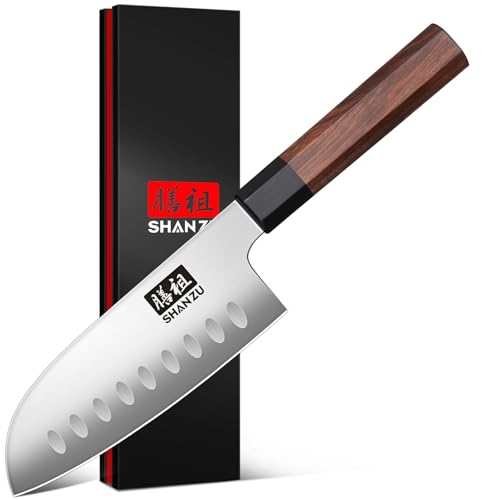
If light weight and compact control are what you need, SHAN ZU’s 5″ santoku is purpose-built for small hands and low-wrist-strength users. At around 4 ounces the knife reduces fatigue for cooks who find traditional chef knives tiring. Picture making a delicate carpaccio or trimming herbs for a garnish where a featherweight blade makes tiny motions feel easy and precise. The 12° cutting angle promises a very sharp edge out of the box.
Another handy scenario is travel or small-space living: this mini santoku is easier to store in limited drawer space and easier to handle at a cramped counter. The red sandalwood octagonal handle gives secure grip and a touch of class for those who value both looks and function in a small package.
Pros
- Extremely light and well-balanced for small hands
- Very acute 12° angle for sharpness and clean slicing
- Octagonal red sandalwood handle for positive grip and a nice aesthetic
- Perfect for delicate tasks and short prep sessions
- Comes with a gift box and two-year warranty
Cons
- Not built for large cutting tasks or heavy-duty prep
- Smaller blade means more passes for big jobs, adding time
Choose SHAN ZU when you prioritize control, lightweight handling, and a sharp cutting angle in a compact blade. It is a terrific second knife for cooks who already own a larger chef’s knife, or it functions well as a primary knife in tiny kitchens. If you need to slice large roasts or bread, a larger santoku will be faster.
To buy this product, click here.
Best Carbon Steel Santoku Knife FAQ
How Does “High Carbon Stainless Steel” Differ From Traditional Carbon Steel?
High carbon stainless steels include added chromium or other elements to improve corrosion resistance compared with plain carbon steel. That means easier care in a busy kitchen while still offering improved edge retention versus low-carbon stainless. Traditional carbon steels may take an edge faster and polish to a finer burr, but they require more diligent hand-drying and oiling to prevent rust.
How Often Should I Sharpen A Carbon Steel Santoku?
That depends on use. For regular home cooking, a light strop or honing every few uses and a proper stone touch-up every few months will keep the edge working well. If you cook professionally or prep large volumes daily, plan to strop or hone daily and sharpen on a stone weekly or biweekly.
Is A Hollow (Granton) Edge Worth It?
Yes when you slice thin, wet, or sticky foods. The dimples create air pockets so slices release cleanly off the blade. Hollow edges are especially helpful with tomatoes, cheese, and sashimi. For chopping dense root vegetables a smooth edge may be preferable.
Which Santoku Length Should I Choose: 5″, 6.5″, Or 7″?
Shorter blades (5″) give superior control for small hands and precision tasks. Mid-length blades (6.5″) strike a balance for general home use. Longer 7″ blades speed up slicing and handle larger ingredients better. Pick based on hand size, counter space, and the scale of your typical prep tasks.
How Should I Care For High-Carbon Santoku Knives?
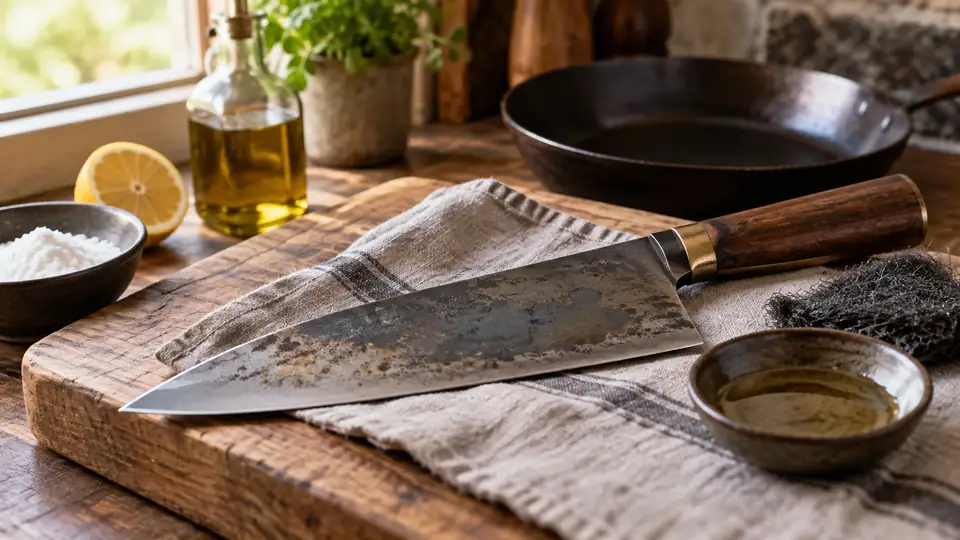
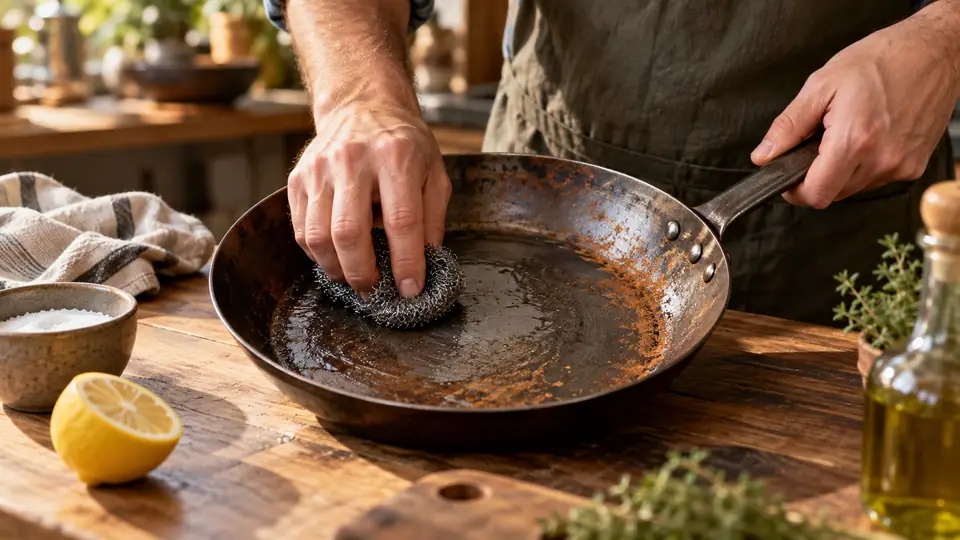
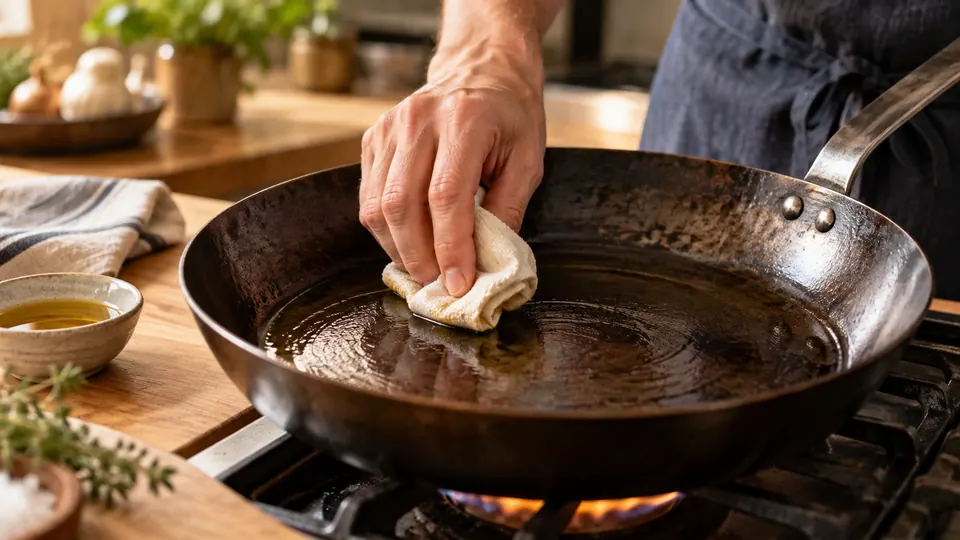
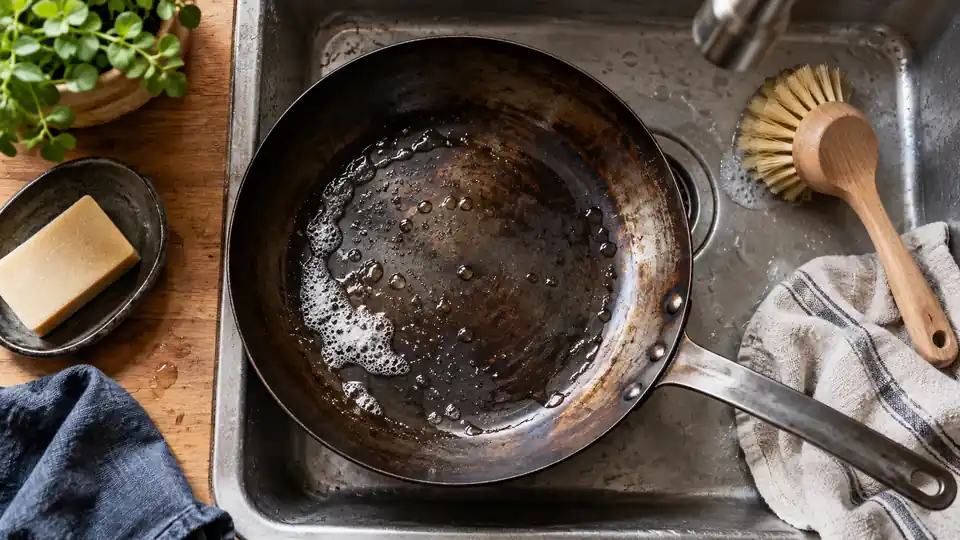
Always hand-wash with mild soap and dry immediately. Avoid soaking or the dishwasher. Store in a block, magnetic strip, or sheath. For steels that are not fully stainless, apply a light food-safe oil occasionally to prevent spotting. Use a cutting board friendly to the edge, such as wood or soft plastic.
Can Carbon Steel Knives Be Used On Bone And Frozen Food?
No. Carbon steel santokus are intended for slicing, dicing, and chopping softer foods. Chopping bones or frozen blocks can chip or roll the edge, damaging the blade. For heavy-duty tasks, use cleavers or purpose-built butcher knives.
What’s The Difference Between Rockwell Hardness Ratings In These Knives?
Higher Rockwell numbers generally mean a harder steel that holds an edge longer but can be more brittle and harder to sharpen. Lower numbers are tougher and easier to resharpen but may require more frequent honing. Match hardness to your willingness to maintain the blade and the tasks you handle.
Are Pakkawood And Resin Handles Durable Choices?
Yes. Pakkawood is a stabilized wood laminate that resists cracking but still needs hand-washing and drying. Resin handles are low-maintenance and more impervious to water, though they lack the warm feel of natural wood. Both are durable in normal kitchen use.
Final Verdict
For most home cooks the Babish 6.5″ Santoku is the best overall pick because it combines a forged single-piece construction, a practical length, and low-drag performance thanks to the granton edge. It manages the everyday balance of edge, feel, and usability that makes it the knife you reach for most often. If you want a premium option that looks and feels special, the KEEMAKE 7″ delivers superior materials and finish. For budget-minded buyers who still want a dependable blade, Cutluxe and the smaller imarku 5″ models offer strong value and immediate sharpness.
When choosing the right carbon steel santoku, match blade length and steel hardness to your prep style. Shorter blades aid precision and control. Longer blades speed up larger tasks. Harder steels hold edges longer but need more attention. The most useful knife is the one that fits your hand, your time for maintenance, and the kinds of meals you make. With that in mind, any of the nine knives profiled here can serve as a reliable kitchen partner when used and cared for properly.

Leave a Reply