
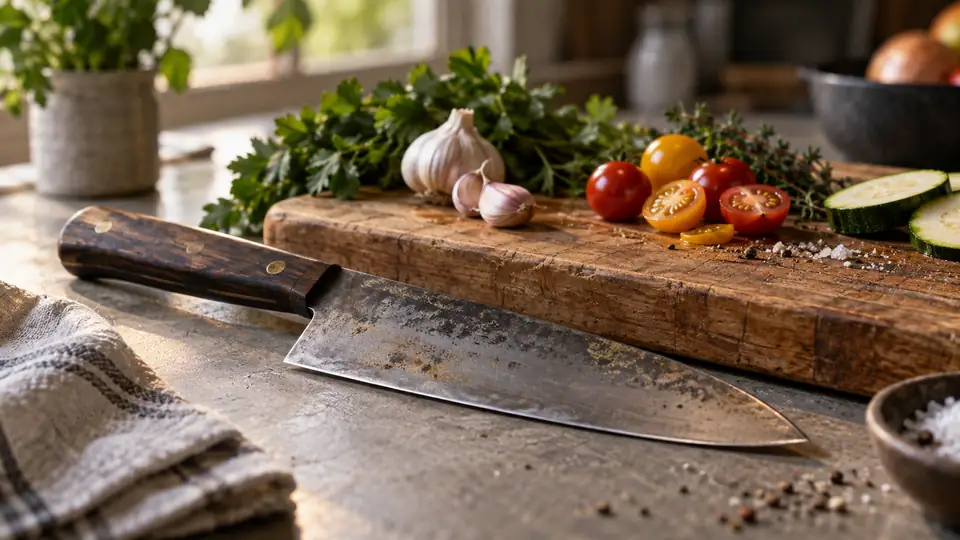
If you’ve ever held a carbon steel pocket knife after a day in the field, you know the difference: a keen bite that slices, a steel that rehabs quickly at the sharpening stone, and a patina that tells a story. Buyers hunting for the best carbon steel pocket knife usually want maximum edge performance and the ability to reprofile the blade easily. That focus comes with tradeoffs. Carbon steel can stain or patina if neglected, and many shoppers accidentally choose a blade steel that is labeled “high carbon stainless,” expecting the same sharpening behavior as true carbon steel. Knowing the exact steel, the blade profile, and the care required matters more than a pretty handle or flashy coating.
Different buyers prioritize different things. A forager wants a slim, fast-to-sharpen blade that sits light in a pocket. A collector values heritage materials and finish, while campers and woodworkers often prefer thicker stock and a full, dependable tang feel. Across the picks below I prioritized authentic carbon or high-carbon blades that deliver real edge performance, plus a spread of classic traditionals, handcrafted pieces, and compact EDC options. My top overall pick balances edgeability, everyday use, and proven build quality.
If you are short on time, the comparison table below gives a fast overview of the standout carbon-steel pocket knives and what each one is best for. Click any product name to skip straight to its detailed review.
Best Carbon Steel Pocket Knife Comparison Table
| Product | Best For | Main Strength | Key Specs |
|---|---|---|---|
| Opinel No. 08 Carbone | Classic Everyday Carry | Lightweight, easy to sharpen XC90 carbon steel | 3.28″ blade. Beechwood handle. Virobloc lock. |
| Opinel No. 07 Carbone | Picnics & Food Prep | Comfortable size, classic blade geometry | 2.87″ blade. Virobloc collar. Beech handle. |
| Opinel No. 06 Carbone | Slim EDC / Pocketable | Ultra-light, effortless carry | 2.87″ blade. Small footprint. Virobloc. |
| Case XX Trapper (Carbon CS) | Traditional Slip-Joint Fans | Premium fit, multiple blades, collectible | Closed 4 1/8″. Clip & Spey blades. Carbon CS. |
| Case XX Mini Trapper (Carbon CS) | Compact Traditional Carry | Pocket-friendly, classic lines | Closed 3.5″. Clip & Spey blades. Carbon CS. |
| Higo Folding Knife (Handmade) | Handcrafted Japanese Carry | All-steel construction, carving precision | 2.76″ blade. All-steel carbon. Folded length 3.94″. |
| Bear & Son Barlow 1095 | USA-Made Traditional | Hard 1095 carbon, easy to sharpen | 3.75″ blade. 1095 carbon steel. 4″ closed. |
| Old Timer 3OT Bearhead | Budget Traditional EDC | Tiny, practical, light | 2.2″ blade. High carbon stainless. Lockback. |
| ALVELY Handmade Damascus | Gift / Showpiece | Damascus pattern, presentation-ready | 3.9″ Damascus blade. Carbon-rich alloy. Liner lock. |
If you want more depth, the reviews below walk through who each knife suits, real-world uses, and honest tradeoffs so you can pick the right carbon-steel pocket knife for your needs.
1. Best Overall: Opinel No. 08 Carbone
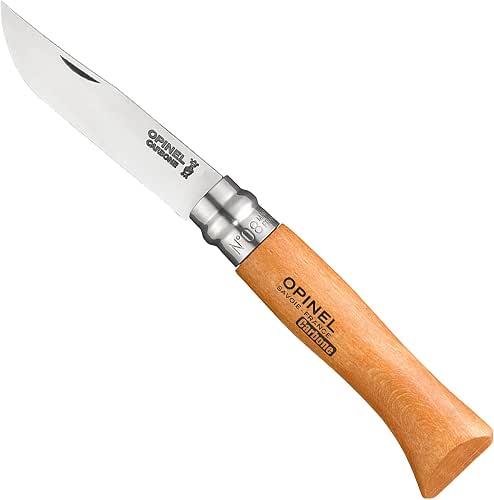
One reason the Opinel No. 08 Carbone keeps turning up on lists is the way it blends simplicity with capability. The XC90 carbon blade takes and holds a fine edge, and when the edge dulls you can touch it up on a stone and have the knife singing again in minutes. The lightweight beech handle and the Virobloc safety collar make it comfortable for long cutting sessions, whether you are slicing bread at a roadside picnic or stripping bark for kindling at a campfire. I’ve used the No. 08 to pare an apple while waiting for coffee and later to whittle a spoon on a late-afternoon trail; both tasks felt natural because the blade geometry is friendly and predictable.
Another advantage is the cultural history and repairability. A friend of mine carried an Opinel for a decade, treating it like a working tool: it acquired a warm patina and kept cutting through everything from cardboard to soft cordage. Real-world use shows the No. 08 thrives as an everyday blade that rewards regular maintenance. You will need to respect its carbon steel nature. After a rainy hike I wiped and lightly oiled the blade; a few minutes of simple care prevented any staining and preserved the crisp edge.
Pros
- Classic, lightweight design that’s easy to carry and use
- XC90 carbon steel sharpens quickly and holds a fine edge
- Simple Virobloc collar provides reliable locking for the price
- Comfortable beechwood handle with good balance for slicing tasks
- Iconic, proven design with widespread availability of spares and parts
Cons
- Carbon steel requires routine care to avoid patina or light rust
- Not the best choice for heavy prying or batoning tasks
Buyers who want a genuine working pocket knife that sits light in a pocket and sharpens easily should consider the No. 08. It performs best when used as a food prep and EDC blade and loved for its honest simplicity. If you want a virtually maintenance-free blade for wet conditions, this is not the ideal pick; a stainless or coated steel would be better for those uses. For the majority of everyday tasks and for anyone who enjoys tending an edge, the No. 08 is a top recommendation.
To buy this product, click here.
2. Best for Picnics: Opinel No. 07 Carbone

For lightweight food prep and gentle camp chores, the Opinel No. 07 Carbone is an ideal pocket companion. The No. 07 sits between the smaller No. 06 and the flagship No. 08 in size, which makes it nimble for slicing cheese, trimming citrus, or opening a picnic loaf. I’ve pulled this model out at outdoor markets and beaches; its modest blade length is useful when you want control without excess weight. The Virobloc locking collar gives peace of mind while cutting, and the thin blade profile makes precise slicing a breeze.
Imagine using this at a lakeside picnic: the blade glides through salami, easily trims parchment, and then folds away to a low profile in your pocket. Another time, on a short hike, it served as a quick paring tool to carve a tentative feather stick for a tinder bundle. Its strength is situational performance rather than brute force. As with all carbon blades, a quick wipe and oil after food or damp conditions preserves the blade and prevents discoloration.
Pros
- Perfect size for food prep and light camp tasks
- Fast to sharpen and very comfortable in the hand
- Virobloc collar locks blade for safe use and transport
- Classic aesthetic that pairs well with casual carry
- Economical and easy to replace or maintain
Cons
- Not suited for heavy-duty chores like batoning
- Requires routine maintenance to avoid patina
This is the pick for people who want a pleasant, food-friendly knife they can treat like a daily utensil. Skip it if your routine involves wet, salty environments where stainless steels have an advantage. For picnic lovers and light campers, the No. 07 hits the sweet spot between control and convenience.
To buy this product, click here.
3. Best Small EDC: Opinel No. 06 Carbone

If pocket space is sacred, the Opinel No. 06 Carbone is the kind of knife you forget is there until you need it. Its compact size makes it ideal for slipping into small pockets, and it’s the classic pick for urban carry where you want a nimble blade for quick tasks like opening mail, trimming threads, or slicing fruit. I keep one in a daypack for short errands; it’s saved me on package openings and small prep jobs without feeling cumbersome.
Imagine pulling this out to sharpen a pencil for a sketch in a cafe, or to pare an orange while on a picnic bench. Its light weight and uncomplicated locking collar make it approachable for users who value simplicity. The tradeoff is that the small blade is less forgiving on tougher materials, so save it for finesse work rather than heavy cutting. A couple swipes of oil after damp days keeps it in prime condition.
Pros
- Ultra-compact and pocket-friendly for everyday carry
- Quick, clean cutting action from XC90 carbon steel
- Low weight reduces carry fatigue
- Virobloc collar adds locking security in a small package
Cons
- Limited leverage for thick materials
- Small handle can be cramped for larger hands during long tasks
Choose the No. 06 if your daily tasks are light and you prize minimal footprint above brute utility. It’s a great daily companion for city dwellers, students, and anyone who prefers a discreet, capable blade that performs when called on without adding bulk.
To buy this product, click here.
4. Best Traditional: Case XX WR Pocket Knife Trapper
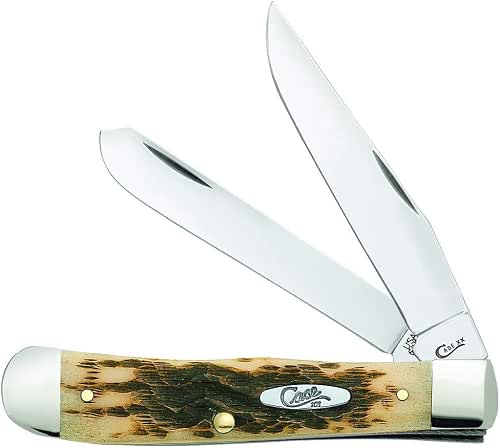
Traditional slip-joint knives occupy a special place for users who appreciate multiple blades and old-school finishing. The Case XX Trapper with carbon clip and spey blades is a timeless companion for chores around the yard, field dressing small game, or detailed crafts. One weekend I used a Trapper-style knife to trim leather on a DIY project; the narrow clip blade handled precision cuts while the spey smoothed curves and inner cuts with no fuss. The fit and finish on Case knives often outpace budget alternatives, and the carbon blades take an edge cleanly and respond well to stropping.
Collectibility and heritage are part of the appeal. Each Case has a stamped date code and a solid feeling in the hand that signals quality. Expect to maintain these knives: carbon steel demands drying and light oiling after use, especially when used on food or in humid weather. If you enjoy the ritual of caring for tools and like the idea of a knife aging with use, a Case Trapper offers functional beauty.
Pros
- Multiple blades for versatility in one package
- High-quality fit, finish, and traditional styling
- Carbon blades are excellent for edge work and regrinding
- Made in USA craftsmanship and collectibility
- Lifetime warranty from a respected maker
Cons
- Slip-joint lacks a locking mechanism for heavy-duty tasks
- Carbon blades need regular care to prevent staining
This is an excellent buy for anyone who prefers a classic knife for light work, collectors who value American-made blades, and users who appreciate multiple blade types in one. Avoid it if your use includes prying or heavy batoning, where a locking folder or fixed blade is safer.
To buy this product, click here.
5. Best Compact Traditional: Case XX Mini Trapper Carbon Steel

The mini trapper compresses classic functionality into a pocket-sized envelope. This smaller Case model keeps the same dual-blade flexibility of its larger sibling while making discreet carry effortless. On a recent garden project I relied on a mini trapper to strip twine, trim stems, and gratefully finish cut ends without switching tools. The satisfaction of a crisp carbon-steel edge on small, precise tasks is immediate.
Mini trappers are also a comfortable entry point for users curious about traditional knives but cautious about size. The shorter blades are less intimidating for casual users, and the compact handle fits neatly in smaller pockets. Like all carbon blades, routine maintenance preserves the patina and keeps the cutting performance consistent. If you value classic looks but need a smaller footprint, this model earns its place.
Pros
- Classic Case quality in a compact package
- Great for small jobs and precise cutting
- Carbon blades sharpen to a very keen edge
- Lightweight and collector-friendly
Cons
- Smaller blades limit leverage for larger materials
- Slip-joint action may feel loose to those used to modern locks
Choose the Mini Trapper if you want a traditional daily knife that won’t crowd your pocket and performs beautifully on small to medium chores. Those who need one-knife solutions for heavy field use should look to sturdier locking folders or fixed blades.
To buy this product, click here.
6. Best Handcrafted: Higo Folding Knife

The Higo from Miki, Japan, brings traditional blade-making heritage into a compact folding form. This all-steel carbon construction offers a different sensory feel than wood-handled knives; it’s cool to the touch, precise in carving, and harmonizes with detailed work like pencil sharpening or shaving small sticks. On a workshop day I used a Higo to carve a wooden peg with unexpectedly fine control, a reminder that small, well-balanced blades can outperform larger tools on detail tasks.
Handmade knives often carry character: slight variations, a satisfying walking of the nail into the backspring, and a mechanical simplicity that’s hard to manufacture en masse. The Higo’s clean lines and all-steel build make it a great choice for collectors and users who appreciate straightforward, durable construction. Carbon steel delivers great edge retention and easy re-profiling, but as always, keep it dry and lightly oiled after use to protect the finish.
Pros
- Handmade quality with an all-steel carbon construction
- Excellent for detailed carving and precision tasks
- Compact size with traditional Japanese aesthetics
- Robust and repairable by local bladesmiths if needed
Cons
- Limited blade length for larger cutting chores
- All-steel handle may feel heavy or cold in long use
Collectors and craft-focused users who enjoy traditional tools should favor the Higo. It performs best for carving, light utility, and as a thoughtful gift. If you need a no-fuss, weather-resistant EDC for wet environments, a stainless blade would be a more practical choice.
To buy this product, click here.
7. Best Made in USA: Bear & Son Barlow 1095

When you want an American-made carbon blade with traditional styling, the Bear & Son Barlow carved from 1095 steel is an excellent candidate. 1095 is a time-tested high-carbon steel that sharpens fast and takes a bite out of rope, wood, or game. On a weekend trail I used a Barlow-style knife to process small lengths of cord and to pare tinder; the robust clip-point blade and narrow heel made controlled cuts simple. The classic Delrin handle and nickel silver bolsters give it a nostalgic look while remaining durable in use.
1095 responds well to stropping and regrinding and holds a working edge that’s easy to touch up in the field. Bear & Son’s limited lifetime warranty and USA manufacturing add peace of mind for buyers who prioritize origin and support for domestic production. Keep a light coat of oil on the blade after exposure to moisture; that practice keeps 1095 looking right for decades of use.
Pros
- American-made with pride and collector appeal
- 1095 carbon steel offers excellent edgeability and toughness
- Classic Barlow profile balances control and reach
- Lightweight and convenient for everyday carry
Cons
- Requires routine oiling to prevent surface rust
- Traditional handle styles are less ergonomic for long cuts
This is a solid choice for anyone who values U.S. craftsmanship and a steel that is easy to maintain in the field. The Barlow is ideal for everyday tasks and light outdoor use; avoid it if you need a maintenance-free stainless option for salty or consistently wet conditions.
To buy this product, click here.
8. Best Budget Traditional: Old Timer 3OT Bearhead

If you want an inexpensive, no-frills traditional knife for basic everyday tasks, the Old Timer 3OT Bearhead delivers. Its small drop-point blade offers controlled slicing for open boxes, whittling small pieces of wood, and simple campsite jobs. I handed this model to a friend who needed a light EDC for a weekend project; he used it to trim twine, remove loose threads, and quickly open packaging without worrying about damaging a higher-end knife. That’s exactly the niche Old Timer fills: practical, available, and straightforward.
The blade on this model is described as high carbon stainless, which gives a middle ground between pure carbon steel and stainless ease-of-care. It sharpens readily and is forgiving during routine use. Users who want a value-first option or a backup blade that won’t break the bank will appreciate the Old Timer’s compact footprint and dependable lockback mechanism.
Pros
- Affordable entry into traditional pocket knives
- Small, practical blade for everyday light tasks
- Lockback adds security for use compared with slip-joints
- Classic aesthetic with sawcut handle for grip
Cons
- Materials and fit are simpler than premium makers
- Small blade limits heavy cutting capability
Choose the Old Timer if you want an inexpensive, usable traditional knife that won’t worry you if it gets scuffed in daily duty. People who want heirloom-level finishes or premium steels should look higher on the list, but this is a reliable budget pick for everyday tasks.
To buy this product, click here.
9. Best for Gifting: ALVELY Handmade Folding Knife (Damascus)

Damascus blades carry instant visual appeal, and the ALVELY handmade folding knife brings that patterned steel into a modern EDC format. Damascus is typically made by layering different steels, often including high-carbon alloys, which produces a distinctive water-like pattern on the blade. For gift buyers or anyone who wants a blade with presence, this knife reads beautifully on a tabletop and performs respectably for light to medium cutting tasks. I found it a conversation starter at a family gathering when someone asked about the patterned finish; it felt special in hand and comfortable to use for common chores.
Beyond looks, the ALVELY includes practical touches like a liner lock and carbon-fiber handle panels, making it more than a display piece. Performance-wise, it’s best treated as a delicate worksman’s knife rather than a field beater; keep it dry and stored when not in use to preserve the layered finish. For buyers who want a memorable present with decent functionality, this model strikes a pleasing balance.
Pros
- Striking Damascus look that works well as a gift
- Carbon-rich layers provide good edge performance
- Carbon fiber handle and liner lock add modern reliability
- Includes pocket clip and sheath for versatile carry
Cons
- Damascus patterns vary and can show wear if neglected
- Not built for aggressive or continuous heavy-duty use
This is a great pick when aesthetics matter alongside function. Choose the ALVELY if you want a presentable knife that still cuts well for day-to-day tasks. If you need a tool for rough field use, look toward thicker, simpler carbon blades instead.
To buy this product, click here.
Best Carbon Steel Pocket Knife FAQ
How does carbon steel differ from stainless steel for pocket knives?
Carbon steel typically has higher edge-holding potential and sharpens more easily than stainless grades. The tradeoff is that carbon steel can develop a patina or surface rust if left wet or unprotected. Stainless steels resist corrosion better but can be harder to sharpen to the same keen edge depending on the alloy. For many users the feel of a carbon steel edge and the ability to reprofile it by hand make it worthwhile.
Will carbon steel ruin food or make it taste metallic?
A well-cared-for carbon steel blade will not ruin food, but fresh carbon steel can leave a light metallic taste on cut fruit or acidic foods if the blade has surface oxidation. Wiping the blade clean and applying a thin coat of neutral oil before food prep avoids that concern. Many outdoor cooks simply clean and oil the blade after use as a routine.
How should I care for a carbon steel pocket knife?
After use, wipe the blade clean and dry. If the knife will be stored for a while, apply a light coat of mineral or gun oil to the blade to prevent moisture from causing staining. For daily use, occasional honing or stropping and periodic sharpening on a stone keeps the edge performing. Avoid leaving carbon steel in wet pockets or near salty air without protective oiling.
Are traditional slip-joint knives safe to use compared with locking folders?
Slip-joint knives are fine for everyday slicing and common chores, but they do not lock the blade rigidly like a locking folder. For tasks where you need strong, locked pressure—prying, heavy batoning, or tasks where the blade might close under load—a locking folder or fixed blade is safer. Choose a slip-joint for light, controlled work and a locking knife for more demanding jobs.
What steel should a beginner choose if they want carbon performance without too much maintenance?
Look for high-carbon stainless or steels with proven corrosion resistance but still good edgeability, such as certain powdered or alloy steels marketed with high carbon content. If you want true carbon feel but lower maintenance, be diligent with oiling and drying, and pick a blade finish that resists staining. For pure beginners who prefer minimal care, stainless options are less fussy.
Can I carry carbon steel knives legally?
Knife laws vary widely by jurisdiction. Material (carbon steel vs stainless) is usually less important legally than blade length, blade lock type, and whether the knife is classified as a switchblade or gravity knife. Always check local regulations for allowed carry lengths and locking mechanisms before purchasing or carrying a knife.
How often should I sharpen a carbon steel pocket knife?
Frequency depends on use. Light daily tasks may only require stropping or honing every few weeks, with full stone sharpening a few times a year. Heavy use, cutting abrasive materials, or frequent fieldwork will require sharpening more often. Carbon steel makes resharpening quick and forgiving, so many users maintain a very keen edge with modest effort.
Is Damascus as good as plain carbon steel for edge performance?
Damascus is visually striking and can combine steels to achieve a desirable balance of toughness and edge-holding. Performance varies based on the steels used to make the Damascus. A high-quality carbon-steel core or consistent carbon alloy will sharpen and hold an edge well, but the visible pattern alone does not guarantee superior cutting performance. Evaluate the maker and blade construction, not only the pattern.
Final Verdict
For most people seeking the best carbon steel pocket knife, the Opinel No. 08 Carbone stands out as the top overall choice. It blends approachable size, a blade steel that sharpens quickly, and a classic design that’s comfortable for food prep, light camp chores, and everyday tasks. Its Virobloc collar and simple maintenance routine make it a pragmatic pick for both newcomers and experienced users who enjoy hand-sharpening and a blade that ages with use.
If you want a budget traditional, the Old Timer 3OT Bearhead gives dependable daily function at a low cost. For collectors and those who want heritage American craftsmanship, the Case XX Trapper and Mini Trapper are excellent. For a handcrafted, detail-focused tool, the Higo folding knife brings Japanese tradition into compact form. Match your choice to how you plan to use the knife: prioritize ergonomics and locks for heavy work, pick small Opinel sizes for food and city carry, and choose premium carbon alloys like 1095 for tough outdoor use. Regular maintenance—clean, dry, and oil—keeps any carbon blade performing for years, and a few minutes with a stone will make an edge sing again when you need it most.

Leave a Reply