
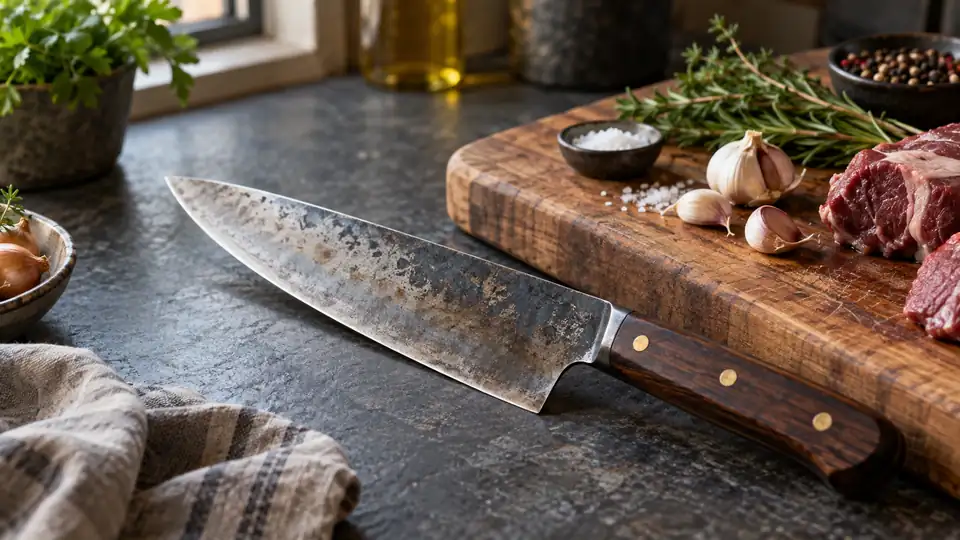
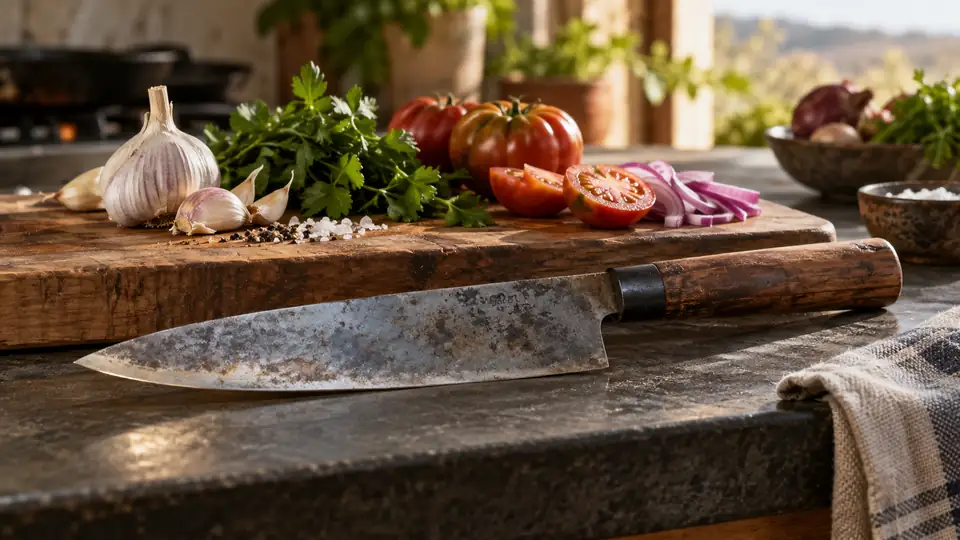
I still remember the first time I tried to break down a whole shoulder of pork with a flimsy chef’s knife. The metal groaned, the edge rolled, and what should have been a satisfying, fast job turned into a half-hour of frustration and a dull blade. That’s why cooks hunt for the best carbon steel butcher knife. Carbon steel brings edge retention and bite that stainless varieties often can’t match, which is invaluable when you need to separate joints, trim brisket, or cleave through cartilage without constant resharpening.
Buyers often make the same mistakes: choosing a pretty handle over a balanced tang, assuming a heavier blade equals better performance, or picking a high-hardness blade without thinking about maintenance. For butcher knives, what matters most is raw cutting power, edge geometry, handle ergonomics, and whether you’re ready to care for carbon steel (it rusts faster than stainless). Different buyers have different priorities. Home cooks who prep a roast once a week want a safe, easy-to-hone cleaver. Backyard pitmasters need long, thin slicing knives for brisket. Professional butchers need something that tolerates hard use and fast resharpening. My top overall pick in this roundup balances grind, steel choice, and value for regular heavy use.
If you need a quick comparison before the deep reading, the table below gives a fast snapshot of the top options and what each does best. Click any product name to jump to its detailed review lower in the article.
Best Carbon Steel Butcher Knife Comparison Table
| Product | Best For | Main Strength | Key Specs |
|---|---|---|---|
| Mueller 7-Inch Meat Cleaver | Best Overall | Balanced weight and durable German high-carbon steel | 7″ blade. 18° double-bevel. Full-tang stainless handle. |
| Cutluxe 10″ Cimeter Breaking Knife | Best For Long Slices | Long, thin edge with Granton scallops for smooth slicing | 10″ blade. 14-16° edge. German high-carbon steel. |
| DRGSKL 10-Pc Hand Forged Knife Set | Best Premium Set | Full set with ATS-34 steel and traditional finishing | 10 pieces. ATS-34 carbon steel. Honbazuke finishing. |
| HOSHANHO 3PCS Brisket Slicing Set | Best For Brisket | Ultra-thin blades for tear-free slicing | 12″ & 10″ slicers. Japanese 10Cr15CoMoV steel. 15° edge. |
| HOSHANHO 7″ Cleaver | Best Traditional Cleaver | Thick spine and high hardness for heavy chopping | 7″ blade. 58 HRC. Japanese high-carbon steel. |
| Cutluxe 10″ Bullnose Carving Knife | Best For Precision Slicing | Bulbous tip and balanced front weight for long strokes | 10″ blade. Granton edge. Full-tang pakkawood handle. |
| imarku 7″ Cleaver | Best Classic Cleaver | Reliable Japanese high-carbon stainless with good edge retention | 7″ blade. 57 HRC. 2.4mm thickness. Pakkawood handle. |
| ENOKING 7.5″ Cleaver | Best Hand-Forged Budget Pick | Solid hand-polished edge and anti-rust finish | 7.5″ blade. 16° per side. High carbon steel. |
| Ontario Knife Old Hickory 7″ Carbon Steel | Best Classic American Carbon Steel | Simple, proven carbon blade made in the USA | 7″ blade. Traditional carbon steel. Hardwood handle. |
If you want a closer look at what makes each option different, the full reviews below unpack real-world performance, who each knife suits, and the tradeoffs to expect.
1. Best Overall: Mueller 7-Inch Meat Cleaver

One reason this Mueller cleaver earns the top spot is balance. It has just enough blade weight to let you cleave through joints with a single confident stroke, while the 18° double-bevel edge keeps the slice predictable for finer work. In the kitchen that doubles as a staging area for weekend barbecues, that balance matters: you can whack through rib bones, then use the same broad blade to scoop and transfer diced onions to the pan. I’ve used it to break down birds before a holiday roast and to hack through frozen marrow bones for soup. Both tasks were quicker and cleaner than with a cheaper cleaver I owned previously.
Mueller chose a high-carbon German stainless formulation and finished the blade with laser-tested sharpening. In practice that means good edge retention while being easier to keep rust-free than raw carbon steel. The seamless stainless steel full-tang handle surprised me: it keeps the knife hygienic and resists the wobble that plagues riveted wood handles in busy kitchens. Picture a small restaurant line during game night, where every second counts. This cleaver stands up to repeated swings and frequent washups without feeling sloppy or awkward.
Pros
- Well-balanced for both heavy chopping and bench-scraper tasks
- Laser-tested sharp edge that holds up through tough cuts
- Durable stainless handle that is easy to clean
- Versatile blade profile handles chopping, scoring, and scooping
- Built for heavy home use and restaurant-style prep
Cons
- Full stainless handle removes the warmth and shock absorption of wood
- Heavier than some prefer for extended slicing tasks
This is a great all-rounder for home cooks who want a single tool to break down poultry, cut through ribs, and serve as a wide bench scraper. Professional users who prefer a traditional wooden handle or want a super-thin slicing edge may look elsewhere, but for most kitchens this cleaver is the most practical choice. If you need a dependable, low-fuss carbon-steel-style cleaver that will see heavy use, this mueller model strikes a smart balance of price, durability, and edge geometry.
To buy this product, click here.
2. Best For Long Slices: Cutluxe 10″ Cimeter Breaking Knife

For anyone who slices brisket or carves large roasts, the Cutluxe cimeter shines. The long, narrow blade spreads the cut across more meat fibers, and the hand-ground 14-16° edge slices cleanly without tearing. Imagine standing over a smoke box at sunrise, the brisket resting under the tent. One slow, steady pull with a long blade and the slices come away in even ribbons. Or think about carving a holiday roast for a family of ten; the cimeter keeps slices consistent so presentation and texture both look professional.
Cutluxe adds a Granton scalloped edge to reduce drag, which becomes noticeable when you’re pulling long slices. The luxury pakkawood handle and full-tang construction give confidence during long sessions. This is not a heavy cleaver for chopping bones, but it is engineered for precision and edge retention with German high-carbon steel hardened to a solid level. For pitmasters and hosts who value thin, even slices above brute force, this knife answers that use case with minimal fuss.
Pros
- Long blade for uninterrupted slicing gestures
- Granton scallops reduce sticking and improve glide
- Comfortable pakkawood handle with full-tang stability
- High-carbon German steel with strong edge retention
- Lifetime warranty gives extra buyer confidence
Cons
- Too long and flexible for heavy bone work
- Pakkawood requires care in humid or wet commercial settings
Buy this if your routine emphasizes long, clean slices: brisket, roasted hams, or large cuts off the smoker. If you need a workhorse cleaver for bones and forceful chopping, pair the cimeter with a heavier cleaver or pick a sturdier chopper instead. For presentation-focused cooks and barbecue specialists, the cimeter offers a clear upgrade over short, squat cleavers.
To buy this product, click here.
3. Best Premium Set: DRGSKL Serbian Chef Knife Set – 10 PCS

If you want a complete overhaul of your kit, DRGSKL’s ten-piece hand-forged set stakes a claim as a long-term centerpiece. The set uses ATS-34 carbon steel, a higher-grade alloy many experienced chefs prefer for its balance of hardness and toughness. One memorable scenario is a chef prepping for a pop-up dinner service: the set’s variety lets you move fast from boning to slicing to fine vegetable work without switching to inferior tools. Another is the backyard host who suddenly becomes the neighborhood pitmaster; with a full range of knives, you’re ready for brisket, ribs, kebabs, and sides without compromise.
The makers discuss a traditional three-step Honbazuke finishing, which shows in the way edges take and hold a keen profile. Handles are ebony and shaped for reduced wrist tension, which matters during long prep sessions. Expect strong edge retention and the kind of feel that improves as you learn to sharpen and maintain high-carbon blades. This is a premium pick for cooks who enjoy hands-on maintenance and want investment-grade tools.
Pros
- High-end ATS-34 carbon steel with professional heat treatment
- Comprehensive kit includes honing and sharpening accessories
- Hand-finished edges and hammered blades reduce sticking
- Ergonomic ebony handles for comfort during long sessions
- Excellent gift presentation and full toolset for pros
Cons
- Requires regular maintenance and oiling to prevent patina or rust
- Higher upfront cost than single-chef options
This set is for cooks and small kitchens that want a full complement of reliable blades and are comfortable with routine sharpening. If you value plug-and-play, low-maintenance stainless alternatives, this might be more hands-on than you want. For those who enjoy the ritual of sharpening and building a cohesive knife collection, DRGSKL delivers an impressive, long-lasting package.
To buy this product, click here.
4. Best For Brisket: HOSHANHO Carving Knife Set 3PCS

For anyone who slices brisket like it’s a craft, this HOSHANHO three-piece set deserves attention. The 12-inch and 10-inch slicers have ultra-thin, hand-ground edges set around 15°, which is ideal for pulling smooth slices that keep juices inside. Picture a late-night slicing session after a long smoke: the thin blade helps remove long, glossy slices without ragged edges, preserving texture and mouthfeel. Another common scenario is carving a holiday turkey. The thin slices slide off the bone without shredding.
The set is forged from 10Cr15CoMoV Japanese high-carbon steel, which balances hardness and toughness so the blades feel glassy when cutting. Pakkawood handles add comfort over long carving sessions and the whole kit is built for slicing rather than bone-crunching. If you want to keep brisket presentation pristine, these are the blades to reach for.
Pros
- Ultra-thin hand-ground blades for tear-free slicing
- Set covers multiple slicing lengths for versatility
- Pakkawood handles that reduce fatigue during long cuts
- Japanese steel with robust heat treatment for edge stability
Cons
- Not meant for heavy bone work or cleaving
- Pakkawood still needs drying and occasional care
Choose this set if you regularly slice large smoked cuts, roasts, or turkeys and care about presentation. Skip it if you need a single heavy chopper for bone-through tasks. The tradeoff here is very thin edges for delicate slicing versus blunt force durability.
To buy this product, click here.
5. Best Traditional Cleaver: HOSHANHO Cleaver Knife 7 Inch

This 7-inch HOSHANHO cleaver is a classic-style chopper with a thick spine and high hardness rating. That combination makes it excellent at taking on dense root vegetables and small bones. I used one on a brisk weekend of meal prep: breaking down a pork shoulder into manageable sections, trimming fat, and then chunking the carcass for stock. Each task felt controlled and efficient, and the cleaver’s thickness translated into confidence when force was required.
Forged from 10Cr15CoMoV steel and finished to a 15° edge, this cleaver offers a balance between edge bite and durability. The ergonomic pakkawood handle keeps the wrist aligned under repeated impact, which helps during long sessions like prepping for a family gathering. If your kitchen workload involves frequent bone and cartilage work, this cleaver is built to tolerate that level of impact while still being serviceable for vegetable work.
Pros
- Thick, hard blade built for repeated heavy chopping
- Sharp 15° edge that still resists chip under force
- Ergonomic pakkawood handle for comfortable grip
- Good multi-purpose profile for meat and vegetables
Cons
- Heavier than slim cleavers, which can fatigue hands
- High-carbon steel requires careful drying and occasional oiling
This cleaver suits home cooks who regularly work bones, tougher joints, or dense vegetables. It is less ideal for those who prefer light slicing or who want a no-fuss stainless knife; maintenance is required to keep the steel in top shape. For kitchens that need a reliable heavy hitter, this HOSHANHO is a smart pick.
To buy this product, click here.
6. Best For Precision Slicing: Cutluxe 10″ Bullnose Carving Knife

If you spend a lot of time producing plated portions or you prefer one long stroke to finish a roast, the Cutluxe bullnose carving knife makes those motions effortless. The bulbous tip extends the cutting arc while added weight forward of center gives power on long pulls. Imagine returning from a weekend hunt and processing large cuts: the bullnose shape lets you keep a consistent slice with fewer strokes, minimizing ragged edges and wasted meat.
The hand-sharpened 14-16° edge and Granton scallops reduce drag and make the blade feel almost frictionless on lean cuts. This model is a close cousin to the cimeter, but it emphasizes precise control with a touch more front-weight. The pakkawood handle is stable and comfortable for repeated carving sessions, and the full tang adds reassuring balance during longer jobs.
Pros
- Bulbous tip and front-weighted balance for long, clean slices
- Granton edge reduces sticking on fatty or moist roasts
- Comfortable, stable pakkawood handle with full tang
- Good edge geometry for precision presentation work
Cons
- Not suitable for heavy chopping or bone work
- Long blade can be awkward in compact kitchens
Choose this if your priority is stride-length slicing and presentation. It pairs well with a heavier cleaver in the same prep area so you have both precision and brawn at hand. For cooks who perform a lot of carving, the bullnose carving knife will reduce effort and improve results.
To buy this product, click here.
7. Best Classic Cleaver: imarku 7 Inch Meat Cleaver

imarku’s 7-inch cleaver is a dependable mid-range choice that many home cooks end up recommending to friends. The knife’s 57+ HRC steel and 2.4mm thickness create an edge that cuts cleanly yet is forgiving enough for frequent use. I used this cleaver on everything from trimming pork belly to cutting up a farm chicken for soup, and it handled those chores without repeatedly needing the stone. It’s the kind of tool that feels comfortable in a home kitchen where versatility beats specialization.
The ergonomic pakkawood handle and wide blade profile provide confidence when transferring chopped ingredients and when applying straight-down pressure to break down joints. The imarku cleaver is an accessible option that balances traditional cleaver heft with modern edge geometry, which makes it a go-to for buyers who want classic carbon-steel performance without steep maintenance headaches.
Pros
- Trusted Japanese-style high-carbon stainless with solid hardness
- Wide blade doubles as a bench scraper for quick transfers
- Ergonomic handle reduces hand fatigue during prep
- Good choice for general household butchery and vegetable work
Cons
- High hardness still requires occasional honing and sharpening
- Pakkawood can darken or swell if left wet frequently
This is a sensible all-round cleaver for households that need one reliable knife to cover most prep tasks. It is an especially good choice if you like the look and feel of a traditional cleaver but want modern edge performance. People who want no-hassle maintenance will prefer stainless alternatives, but this imarku cleaver is straightforward to care for if you wipe and oil it occasionally.
To buy this product, click here.
8. Best Hand-Forged Budget Pick: ENOKING 7.5″ Cleaver Knife

Budget shoppers who still want a hand-forged feel will find the ENOKING 7.5-inch cleaver compelling. The maker highlights anti-rust processing and a hand-polished 16° edge, which translates into a usable, sharp blade out of the box. I kept one in my camper kit for weekend grilling excursions and it performed admirably for breaking down chickens, chopping root vegetables, and clearing table scraps. For outdoor cooks who need a resilient tool, this one packs real value.
The ergonomically designed wood handle and full-tang construction avoid the flex problems found in cheaper imports. The blade’s V-shaped grind lowers cutting resistance, so you get a more efficient cut than you might expect from a budget cleaver. Expect to maintain the edge more often than on elite steels, but for the price and hand-forged aesthetic, it’s hard to beat.
Pros
- Hand-polished edge offers strong initial sharpness
- Anti-rust process helps protect the high-carbon blade
- Full-tang, triple-riveted handle for long-term durability
- Good value for a hand-forged-style cleaver
Cons
- Edge retention is decent but not comparable to premium alloys
- Wood handle still needs drying and care if used outdoors
Pick this if you want the look and feel of a forged cleaver without spending for premium alloys. It performs well in outdoor and home kitchens, and its maintenance requirements are reasonable for a budget high-carbon blade. Serious pros who need extended edge-holding may prefer higher-grade steels, but for everyday heavy use on a budget, ENOKING delivers an appealing blend of features.
To buy this product, click here.
9. Best Classic American Carbon Steel: Ontario Knife – Old Hickory 7″ Carbon Steel

Old Hickory’s classic carbon steel butcher knife represents an honest, time-tested approach. Made in the USA, its straightforward blade and hardwood handle feel familiar to anyone who grew up around butcher-block kitchens. I kept one in a community teaching kitchen where students practiced basic butchery and charcuterie. The knife’s predictable edge behavior makes it an excellent learning tool: students can see how honing and stropping change performance, and the hardwood handle stands up well to heavy use.
There’s charm in the simplicity: no high-gloss coating or modern claims, just a solid carbon blade that takes and keeps an edge when cared for. If you want a dependable workhorse with heritage, this Old Hickory model gives practical performance and a tactile connection to traditional cutlery.
Pros
- Simple, durable carbon-steel blade made in the USA
- Hardwood handle offers classic feel and balance
- Great educational tool for learning upkeep and sharpening
- Very serviceable for general butcher tasks and vegetable work
Cons
- Needs regular drying and oiling to avoid rust
- Edge profile is more work to maintain than polished premium steels
This is a great option for cooks who appreciate traditional tools and are ready to do the upkeep required by plain carbon steel. It’s less ornamental and more workhorse, so if you want a museum-worthy finish or stainless convenience, look elsewhere. For practical kitchens and learning environments, Old Hickory is hard to beat.
To buy this product, click here.
Best Carbon Steel Butcher Knife FAQ
What Are The Advantages Of Carbon Steel Over Stainless For Butcher Knives?
Carbon steel typically sharpens to a keener edge and holds that edge for tasks requiring bite, like slicing through tough connective tissue. It’s also easier to reprofile quickly on a whetstone. However, carbon steel oxidizes faster and needs wiping, drying, and occasional oiling to prevent rust.
How Do I Maintain A Carbon Steel Butcher Knife?
After each use, rinse and dry the blade promptly. If you won’t use the knife for a while, add a thin coat of food-safe oil to the blade. Hone lightly between uses with a ceramic rod to maintain alignment, and resharpen on a whetstone as needed. Avoid the dishwasher and acidic contact when possible.
Can Carbon Steel Be Used For Bone-Crushing Tasks?
Some carbon-steel cleavers are built for bone work and have thicker spines and more robust heat treatments. Still, repetitive bone-chopping is hard on any edge. If you frequently cleave large bones, choose a cleaver specifically marketed for heavy-duty use and expect to resharpen more often.
Are Hand-Forged Knives Better Than Factory-Forged Ones?
Hand-forged knives often have artisanal finishes and can be made from higher-grade steels, but performance depends on the steel, heat treatment, and geometry. Factory-forged knives can be excellent and offer consistent heat treatment and tolerances. Choose based on reviews, steel specs, and how the knife feels in hand.
What Edge Angle Should I Look For In A Butcher Knife?
Edge angles between 14° and 18° per side are common. Lower angles slice cleaner but can be more fragile. For cleavers, a slightly wider angle (16°–18°) gives durability for heavier tasks while maintaining good cutting performance.
Is A Full-Tang Handle Necessary?
Full-tang construction improves balance and long-term durability, especially under heavy use. For frequent butchery or professional settings, full-tang knives are preferred because they better resist handle failure and provide consistent balance for precision work.
How Do I Prevent Food From Sticking To The Blade?
Granton or scalloped edges reduce sticking by creating tiny air pockets along the blade. Thinner blades and polished finishes also help. Wiping the blade between cuts and using the correct slicing technique reduces adhesion as well.
Can I Use Carbon Steel Knives Outdoors And For Camping?
Yes, carbon steel knives are popular for outdoor use because they sharpen easily in the field and perform well. Keep them dry and apply oil before storing to prevent rust, and consider a protective sheath to avoid accidental nicks and corrosion.
Final Verdict
For most home cooks and small commercial kitchens, the Mueller 7-Inch Meat Cleaver stands out as the best overall pick because it balances weight, edge geometry, and cleaning convenience. It behaves like a true carbon-steel-style cleaver while minimizing the fuss of raw carbon maintenance, which suits busy kitchens that need reliable, repeatable performance.
If your priority is thin, tear-free slices, the Cutluxe 10-inch cimeter or bullnose carving knife are the best single-purpose buys. For buyers who want a complete professional kit and enjoy hand-sharpening and care, the DRGSKL 10-piece set delivers premium alloys and finishing. Budget-conscious shoppers who want a hand-forged feel should look to ENOKING or imarku for solid value, and traditionalists who prefer a proven, simple carbon blade will appreciate the Old Hickory classic. Align your choice with how often you’ll use the knife, whether you need bone-crunching durability or long slicing strokes, and how much routine maintenance you’re willing to perform. With the right match, a carbon steel butcher knife will pay back in faster prep, cleaner cuts, and better results on every roast and barbecue session.



Leave a Reply