

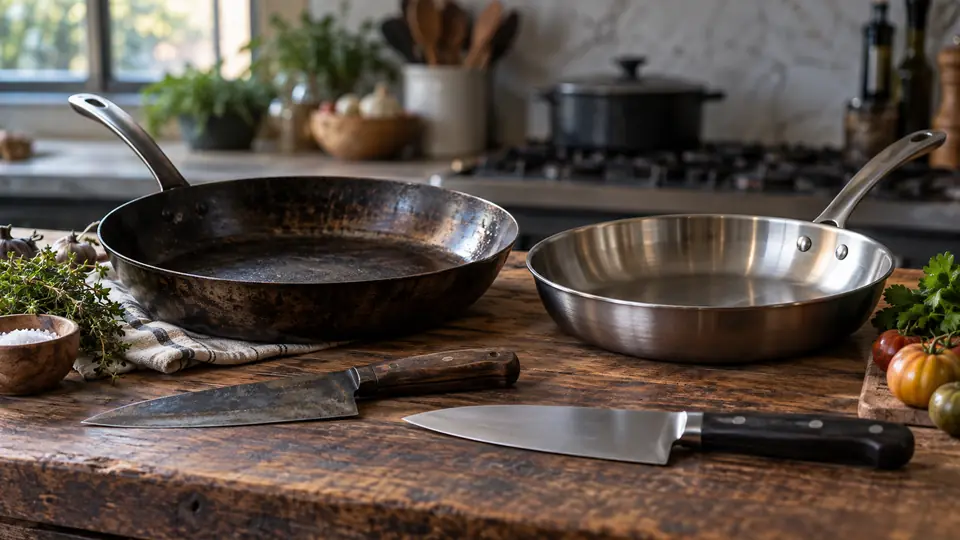
Carbon steel knives develop a reputation for sharpness, ease of sharpening, and excellent cutting feel, but they also come with a maintenance question that matters in daily use: do carbon steel knives rust? The short answer is yes, they can. That does not mean they are fragile or impractical. It means they react more readily to moisture, acids, and neglect than stainless steel knives do.
This matters because rust is not just a cosmetic issue. Left alone, it can pit the blade, affect cutting performance, and shorten the life of the knife. At the same time, many new owners confuse harmless discoloration with actual rust, then either overreact or ignore a real problem. Understanding the difference makes carbon steel ownership much easier.
A well-cared-for carbon steel knife can stay in excellent condition for years. The key is simple maintenance: keep it clean, keep it dry, and avoid letting food acids or water sit on the blade. Once you understand why carbon steel rusts and how to prevent it, owning one becomes much less intimidating.
Quick Answer
Yes, carbon steel knives rust. They are more prone to rust than stainless steel because they contain less chromium, which means they have less natural resistance to corrosion. If a carbon steel blade is left wet, stored in a damp environment, or exposed to acidic foods for too long, rust can form surprisingly quickly.
That said, rust is preventable. In normal kitchen use, a carbon steel knife usually stays in good shape if you wash it by hand, dry it immediately, and store it somewhere dry. A light coat of food-safe mineral oil can add extra protection, especially in humid climates or for knives that are not used every day.
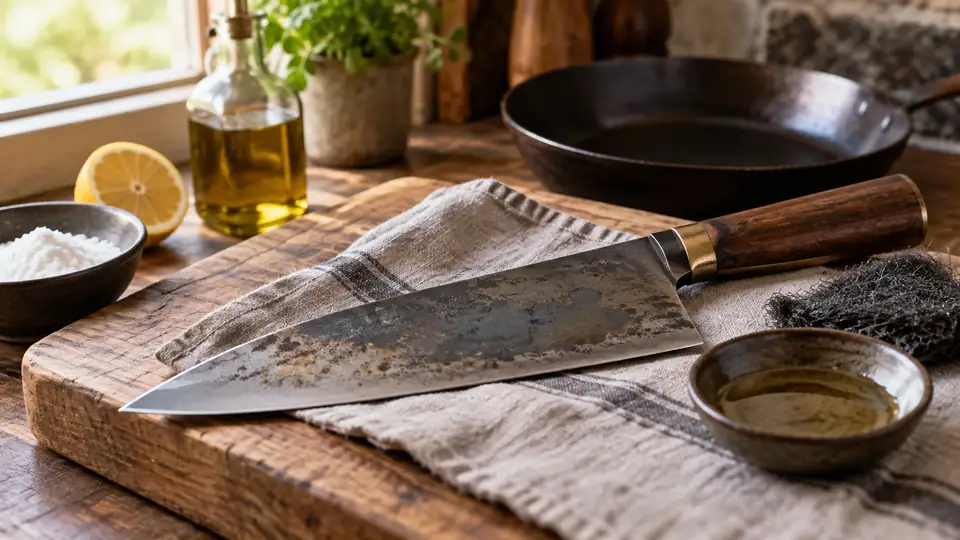
It is also important to separate rust from patina. Patina is the dark gray, blue, or mottled discoloration that forms over time on many carbon steel blades. It is generally normal and can even help slow further reactivity. Rust, on the other hand, is usually reddish, orange, or rough to the touch. Patina is expected. Rust needs attention.
Why Carbon Steel Knives Rust
Carbon steel rusts because iron reacts with oxygen and moisture. That reaction is oxidation. When it progresses far enough, it creates iron oxide, which is the rust you see on the blade surface.
Stainless steel also contains iron, but it includes enough chromium to form a more protective layer against corrosion. Carbon steel usually has little or no chromium by comparison, so it is more exposed. That greater reactivity is part of why many cooks like carbon steel knives. It often comes with fine edge performance and easy sharpening, but the tradeoff is increased maintenance.
Rust risk is affected by more than just the steel itself. Daily habits matter just as much. A knife used to slice onions, citrus, tomatoes, or meat, then left on the board for half an hour, is much more likely to discolor or rust than one wiped and dried right away.
Common conditions that encourage rust
- Leaving water on the blade after washing
- Air-drying instead of towel-drying
- Storing the knife in a leather sheath for long periods
- Cutting acidic foods and not wiping the blade
- High humidity in the kitchen or storage area
- Dishwasher use, which combines heat, water, and harsh detergent
- Long-term storage without oil
Rust vs Patina: Know the Difference
One of the biggest points of confusion with carbon steel knives is color change. A blade that starts bright and silvery often turns gray, blue-gray, charcoal, or even develops patchy dark patterns after cutting protein, onions, or fruit. That is usually patina, not rust.
Patina is a form of surface oxidation, but it is generally stable. In many cases, it acts like a mild protective layer that slows further reactivity. A lot of cooks actually prefer a developed patina because it reduces the shiny, raw look of fresh carbon steel and can make the blade slightly less reactive with food.
Rust is different. It is active corrosion. It often appears orange, red-brown, or rough. If you rub the area with a cloth and see reddish residue, or if the spot feels gritty rather than smooth, you are likely dealing with rust instead of patina.
| Feature | Patina | Rust |
|---|---|---|
| Typical color | Gray, blue-gray, dark charcoal, mottled rainbow-darkening | Orange, red, red-brown |
| Texture | Smooth | Rough, dusty, or gritty |
| Stability | Usually stable | Active corrosion |
| Needs removal? | Usually no | Yes |
| Effect on blade | Mostly cosmetic, sometimes mildly protective | Can cause pitting and damage over time |
How Quickly Can a Carbon Steel Knife Rust?
A carbon steel knife can rust faster than many people expect. In some kitchens, visible orange spots can appear within hours if the knife is left wet or coated with acidic residue. In drier conditions, the same blade may go a long time without trouble if basic care is consistent.
Several factors affect the speed of rusting:
- Humidity level in your home
- How reactive the specific steel is
- Whether the blade already has a patina
- How long food residue stays on it
- Storage method, especially enclosed or damp storage
In practical kitchen use, the most common cause is not the steel “mysteriously” rusting on its own. It is simple moisture left behind after rinsing, or acidic prep work followed by distraction. Carbon steel rewards prompt care. It does not reward procrastination.
Do All Carbon Steel Knives Rust the Same Way?
No. Some carbon steel knives are more reactive than others. The exact alloy, heat treatment, finish, and grind can all influence how quickly discoloration and rust show up.
For example, a blade with a rougher forged finish may hide early patina better than a highly polished blade, but that does not necessarily mean it is more corrosion-resistant. Likewise, some Japanese carbon steels can feel extremely reactive during the first weeks of use, then calm down somewhat after a patina develops.
Cladding also matters. Some knives have a carbon steel core with stainless cladding on the sides. In those cases, the exposed edge area is still reactive, but the blade faces may resist corrosion better than a fully reactive monosteel blade.
Factors that influence rust behavior
- Steel composition, such as White steel, Blue steel, 1095, or other high-carbon alloys
- Blade finish, including polished, kurouchi, or satin finishes
- Core-only exposure versus fully reactive blade construction
- Factory coating that wears off after initial use
- Use pattern, including protein prep, fruit prep, or outdoor carry
If you are comparing different knife styles, a guide to the best Japanese carbon steel knife can help illustrate how blade construction and steel choices affect maintenance expectations.
When Rust Is Most Likely to Appear
Carbon steel knives are most vulnerable in a few predictable situations. These are the moments where small habits make the biggest difference.
After washing
This is the most common point of failure. A knife may look dry after a quick wipe, but moisture often remains near the handle, along the spine, or around the heel. If it goes back into a block, drawer, saya, or sheath while still damp, rust can form in hidden areas.
After cutting acidic foods
Tomatoes, lemons, limes, apples, onions, and similar foods can accelerate reactivity. Even a few minutes of residue left on the blade can produce discoloration. In some cases, it can begin as dark patina and shift toward orange spotting if moisture remains.
During long prep sessions
If you spend an hour doing kitchen prep, it helps to wipe the blade periodically instead of letting juices sit. Professional cooks and serious home cooks often keep a dry towel nearby for this reason.
During storage
Leather sheaths, damp knife rolls, and closed drawers with trapped moisture can all encourage rust. Long-term storage is especially risky if the blade is put away clean but not fully dry, or if it is stored for weeks without a protective oil film.
How to Prevent Rust on Carbon Steel Knives
Preventing rust is easier than removing it. Good knife care does not need to be complicated. It just needs to be consistent.
1. Wash by hand only
Use mild soap, warm water, and a soft sponge or cloth. Do not put carbon steel knives in the dishwasher. Dishwashers expose blades to long moisture cycles, aggressive detergents, and contact with other utensils, which can cause both corrosion and edge damage.
2. Dry immediately and thoroughly
This is the most important habit. Use a dry towel and pay attention to the entire blade, including the spine, choil, and area near the handle. Do not leave the knife on the counter to air-dry.
3. Wipe during use
If you are slicing several acidic ingredients, pause and wipe the blade dry from time to time. This is a small step, but it prevents a lot of staining and early rust spotting.
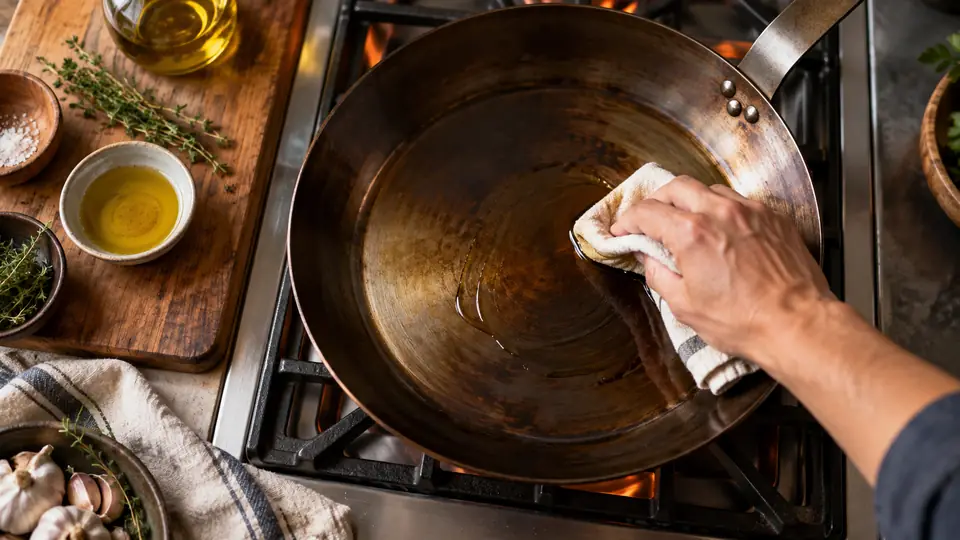
4. Use a light protective oil for storage
If the knife will sit unused for a while, a very thin coat of food-safe mineral oil helps block moisture. This is especially useful in coastal climates, humid kitchens, or seasonal storage.
5. Store in a dry environment
Magnetic strips, dry knife blocks, edge guards, and clean drawers can all work well. The important part is that the storage area stays dry. Avoid sealing a damp blade inside leather or fabric.
6. Let a patina develop naturally
A stable patina can reduce reactivity. There is no need to polish the blade back to bright steel after every use. If the discoloration is smooth and dark rather than orange and rough, it is usually best left alone.
| Care Habit | Helps Prevent Rust? | Notes |
|---|---|---|
| Hand washing | Yes | Gentler than dishwasher cleaning |
| Immediate towel drying | Yes | Most important daily habit |
| Air-drying on rack | No | Leaves moisture on the blade too long |
| Periodic wiping during prep | Yes | Useful with acidic ingredients |
| Dishwasher cleaning | No | High risk for corrosion and edge damage |
| Mineral oil before storage | Yes | Especially helpful in humid environments |
| Storing in damp sheath | No | Can trap moisture against the blade |
How to Remove Rust From a Carbon Steel Knife
If rust does appear, deal with it early. Surface rust is usually manageable. Deep rust and pitting are harder to fix and may permanently mark the blade.
Step 1: Confirm that it is actually rust
Look at the color and texture. If it is orange or reddish and feels rough, it is rust. If it is dark gray and smooth, it is likely patina and should not be treated like a corrosion problem.
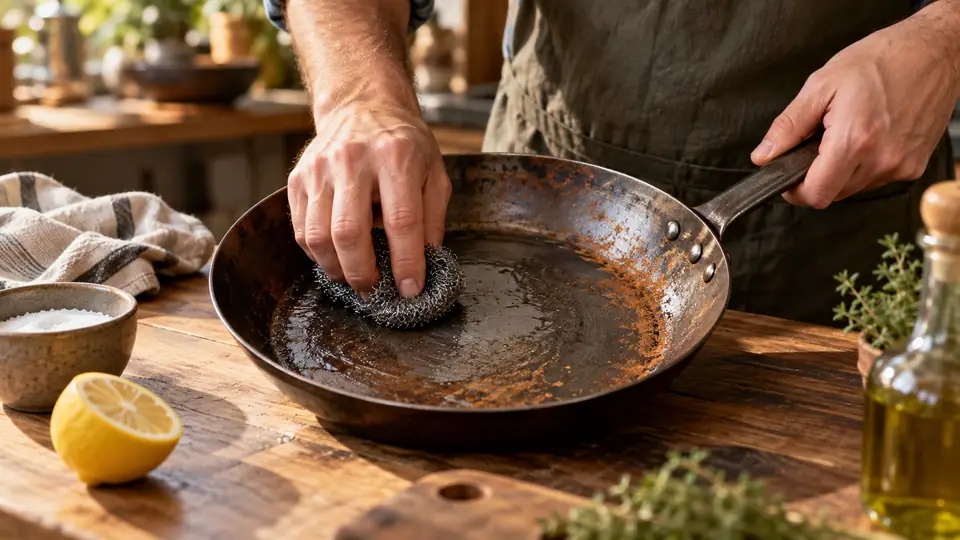
Step 2: Use a gentle abrasive first
For light rust, a paste of baking soda and water on a soft cloth can work. A wine cork, soft rust eraser, or non-scratch scrub pad can also help remove surface oxidation without being too aggressive.
Step 3: Wipe clean and inspect
After the rust is removed, wipe away any residue and check the area under good light. If the spot remains orange or feels pitted, repeat carefully or move to a slightly more assertive rust eraser.
Step 4: Wash and dry thoroughly
Once the rust is gone, wash off any abrasive residue, then dry the knife completely.
Step 5: Apply a thin coat of oil if needed
If the knife will be stored or the cleaned area looks freshly exposed, a thin film of food-safe mineral oil helps protect the surface.
What to avoid during rust removal
- Do not use harsh power tools on a kitchen knife unless you know exactly what you are doing
- Do not scrub aggressively near the edge without control
- Do not remove all dark patina just because it looks different
- Do not ignore handle materials that may not like soaking or harsh chemicals
Common Mistakes That Cause Rust
Most rust problems come from routine mistakes rather than severe abuse. Carbon steel is forgiving in some ways, but it does expect a bit more attention than stainless.
Leaving the knife in the sink
This is one of the worst habits for any kitchen knife, especially carbon steel. Standing water and contact with other utensils invite corrosion, edge damage, and accidental chips.
Washing it and forgetting to dry near the handle
Water often hides where the blade meets the handle. That area is easy to miss and frequently where rust first shows up.
Thinking patina is damage
Some owners over-polish the blade every time it darkens. That can strip away a stable patina and keep the knife in a constantly reactive state. Not every color change is a problem.
Thinking a “stainless-looking” knife cannot rust
Some carbon steel knives have finishes or cladding that reduce visible reactivity, but any exposed carbon steel edge can still corrode.
Using the dishwasher once “just this time”
One dishwasher cycle can be enough to dull the edge, stain the blade, and start corrosion. With carbon steel, there is no safe shortcut here.
Are Carbon Steel Knives Hard to Maintain?
Not really, but they are less forgiving than stainless steel. The maintenance is simple. The challenge is consistency.
If you already hand-wash good knives, dry them right away, and store them properly, adding a carbon steel knife is usually not a big adjustment. If your normal habit is tossing kitchen tools in the sink or dishwasher, carbon steel will feel demanding.
That is why some cooks love carbon steel and others do not. The steel itself is not difficult. It just expects care that matches its performance characteristics.
Carbon steel maintenance in real life
- Low effort daily care, if done immediately
- Higher consequences for neglect, even short-term neglect
- More visible aging, which is normal
- Easier edge upkeep than many wear-resistant stainless steels
Should Rust Risk Stop You From Buying a Carbon Steel Knife?
For some people, yes. For many others, no.
If you want a knife that can be rinsed, left on the board, and cleaned later without much thought, stainless steel is usually the safer choice. It offers more corrosion resistance and a lower-maintenance ownership experience.
If you appreciate a very keen edge, easy sharpening, and the character that develops as the blade gains patina, carbon steel can be very rewarding. The rust risk is real, but it is manageable. Plenty of cooks use carbon steel knives daily without serious corrosion problems because their habits are solid.
The decision is less about which steel is “better” and more about whether the maintenance fits your routine.
Frequently Asked Questions
Can a carbon steel knife rust after one use?
Yes, especially if it is left wet or coated with acidic food residue. A brand-new carbon steel blade can be quite reactive before a patina forms, so early care matters.
Is patina on a carbon steel knife a bad sign?
No. A dark patina is usually normal and often desirable. It is different from rust because it is generally smooth, stable, and not actively eating into the steel.
Can I use olive oil to protect a carbon steel knife?
For long-term protection, food-safe mineral oil is usually a better choice. Some cooking oils can become sticky or go rancid over time, especially if the knife is stored for a while.
Do carbon steel knives rust more than cast iron or carbon steel pans?
They can, mainly because knife blades are thinner, more reactive in food prep, and less likely to have a heavy seasoned layer like cookware. A pan’s seasoning can provide more surface protection than a bare knife blade.
What should I do if rust keeps coming back?
Repeated rust usually means moisture is still being left on the blade, the storage area is damp, or the knife is being put away without enough protection. Improve drying, change storage conditions, and apply a light coat of mineral oil if needed.
Final Thoughts
Do carbon steel knives rust? Yes, they do. That is part of owning a more reactive steel. The good news is that rust is usually preventable with simple habits: hand wash, dry immediately, wipe during acidic prep, and store the knife somewhere dry.
The most useful thing to remember is that not every dark mark is a problem. Patina is normal. Active orange rust is not. Once you can tell those apart, carbon steel knives become much easier to care for.
For cooks who value edge performance and do not mind a little maintenance, carbon steel remains an excellent knife material. The rust risk is real, but it is manageable, and it should be understood rather than feared.


Leave a Reply