
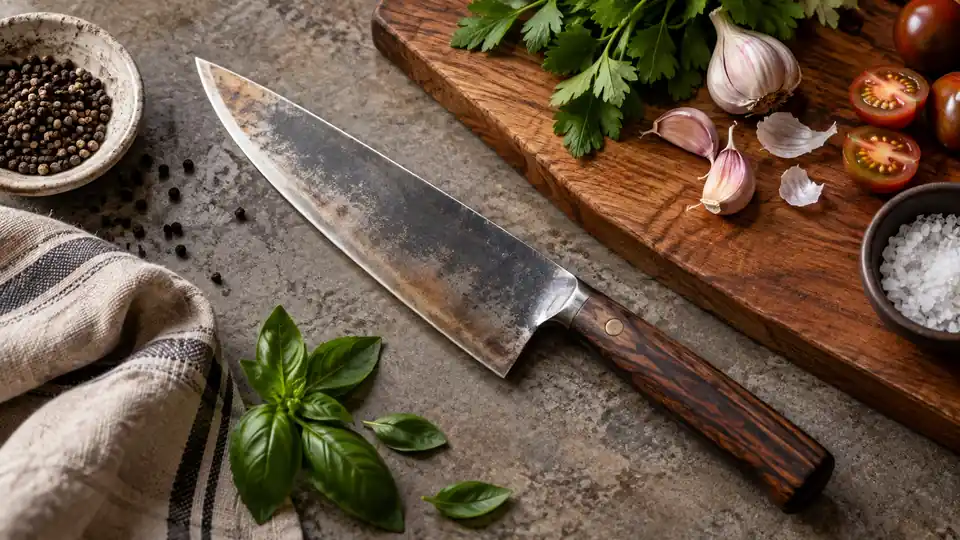
A knife’s steel affects more than edge retention. It changes how the blade sharpens, how carefully it must be dried, how likely it is to stain or rust, and how it feels to use over time. That is why the choice between a carbon steel knife vs stainless steel knife matters so much for cooks, outdoor users, and anyone buying a blade they plan to keep for years.
These two categories are often discussed as if one is clearly superior. In practice, each has strengths and tradeoffs. Carbon steel knives are known for taking a very keen edge and sharpening easily, but they need more care. Stainless steel knives resist rust and staining far better, but some types can be harder to sharpen or may not take the same refined edge feel that many knife enthusiasts prefer.
The right choice depends less on hype and more on how you cook, how often you sharpen, and how much maintenance you are willing to do. A home cook who wants easy care may be happier with stainless. Someone who values edge feel, fast sharpening, and traditional knife performance may prefer carbon steel.
Quick Answer
In a carbon steel knife vs stainless steel knife comparison, carbon steel usually offers easier sharpening, a very fine edge, and strong cutting feel, while stainless steel offers better corrosion resistance, lower maintenance, and more everyday convenience.
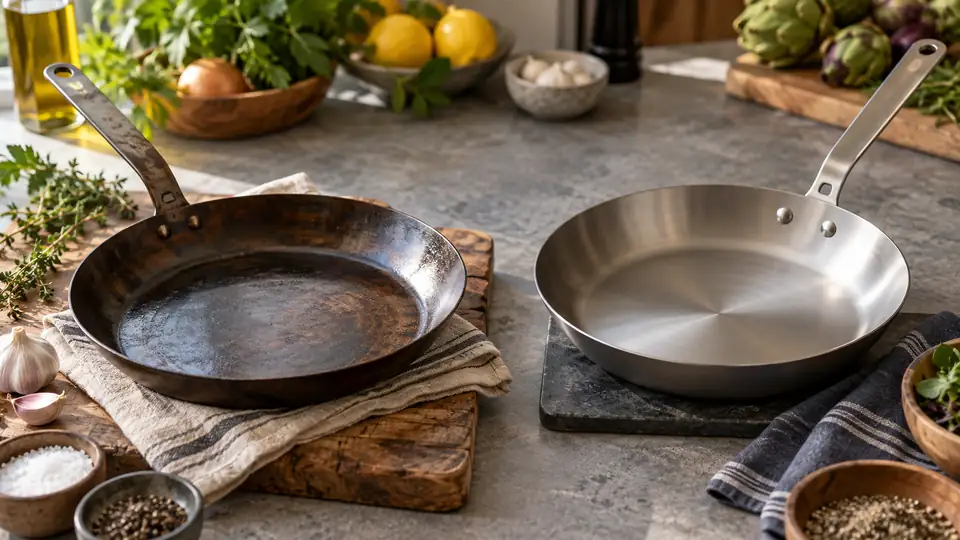
Carbon steel contains less chromium, so it is more reactive. That means it can discolor, develop a patina, or rust if left wet or dirty. Many cooks like the way carbon steel sharpens and cuts, especially for precise kitchen work. Stainless steel includes enough chromium to resist oxidation much better, which makes it the more forgiving choice for busy kitchens, humid environments, and general users who do not want to baby a knife.
If you enjoy sharpening and do not mind wiping and drying your blade promptly, carbon steel can be very satisfying to own. If you want a knife that handles acidic foods, sink mistakes, and inconsistent care with fewer problems, stainless steel is usually the safer pick. Neither material is automatically better. The better option is the one that fits your habits.
Carbon Steel Knife vs Stainless Steel Knife at a Glance
| Category | Carbon Steel Knife | Stainless Steel Knife |
|---|---|---|
| Sharpness potential | Very high, often prized for fine edges | High, though edge character varies by alloy |
| Ease of sharpening | Usually easier and faster to sharpen | Often takes more time, especially with harder alloys |
| Rust resistance | Low | High |
| Stain resistance | Low, develops patina | High |
| Maintenance needs | Higher | Lower |
| Reaction to acidic foods | Can discolor and sometimes affect taste temporarily | Usually handles acidic foods better |
| Long-term appearance | Changes visibly over time | Usually stays cleaner-looking |
| Best for | Users who value edge performance and do not mind care | Users who want convenience and corrosion resistance |
What Is a Carbon Steel Knife?
A carbon steel knife is made from steel with a relatively low chromium content and a carbon content that helps the blade harden and hold a sharp edge. In simple terms, this kind of steel is designed more around cutting performance and less around corrosion resistance.
Not every carbon steel knife uses the same exact alloy. Some use simple high-carbon steels such as 1095, while others use tool steels or laminated constructions with a carbon steel core. Despite those differences, they share the same broad traits. They sharpen readily, can take a very keen edge, and need protection from moisture and neglect.
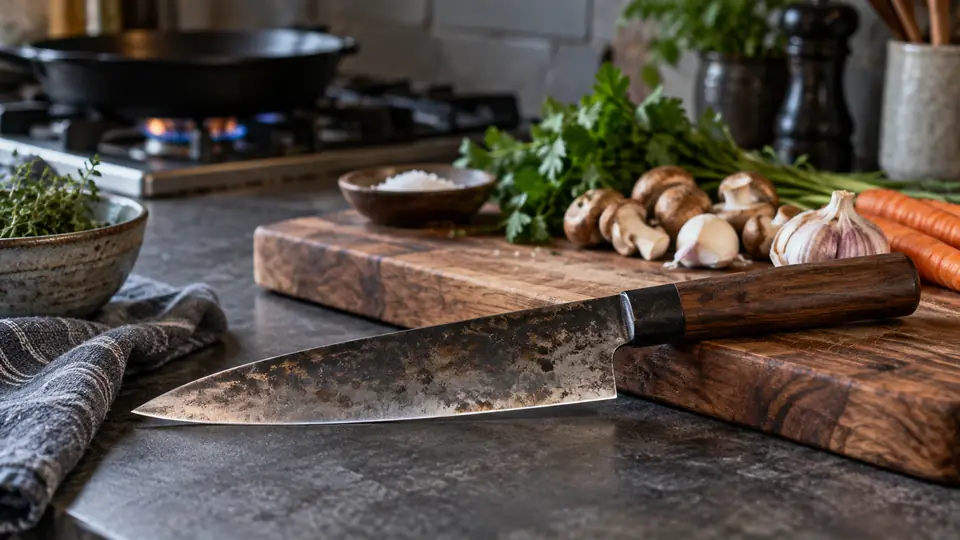
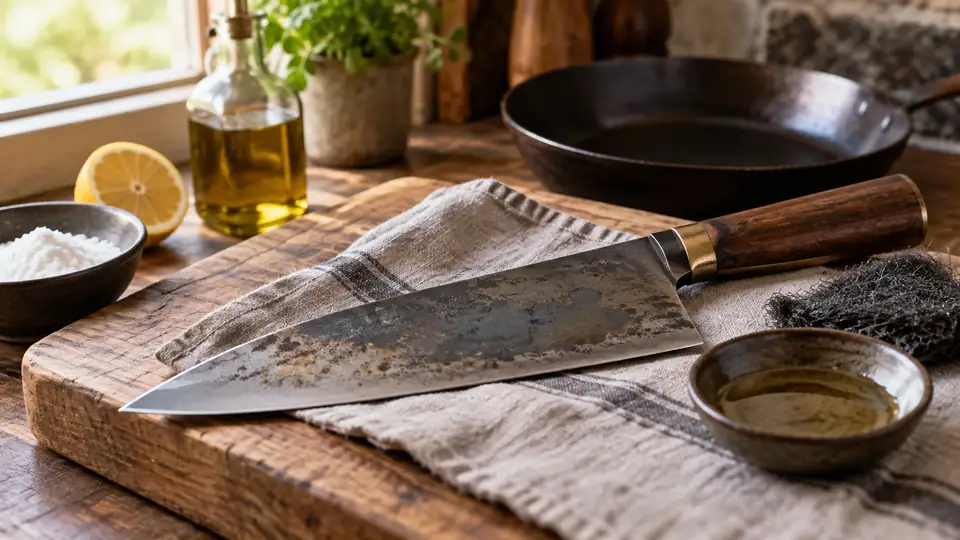
One defining trait of carbon steel is that it reacts with its environment. Cut onions, meat, citrus, or tomatoes with a fresh carbon steel blade and you may see darkening or blotchy discoloration. Over time, that often settles into a patina, which is a stable darkened layer that can offer some limited protection against further reactivity.
What Is a Stainless Steel Knife?
A stainless steel knife contains enough chromium, typically around 10.5 percent or more, to create much better resistance to rust and staining. Chromium helps the steel form a protective oxide layer on the surface, slowing down corrosion in normal kitchen use.
Stainless steel is not one single material either. It covers a wide range of knife steels, from softer budget stainless alloys to premium powder metallurgy steels. Some stainless knives sharpen easily and hold an edge well. Others are tougher to sharpen but stay sharp longer. The category is broad, but the shared advantage is easier care.
It helps to remember that stainless does not mean stain-proof. A stainless knife can still corrode if abused, left in saltwater, run through a dishwasher repeatedly, or stored wet. It is simply much more resistant than carbon steel.
How the Steel Affects Cutting Performance
Edge Sharpness
Carbon steel has a strong reputation for taking a very refined edge. Many sharpeners describe the process as smooth and predictable. The blade can often be brought to a keen, aggressive edge with less effort than a comparable stainless knife.
That does not mean stainless knives cannot get very sharp. High-quality stainless steels can become extremely sharp and perform at a high level. The difference is often in sharpening feel and edge character. Carbon steel tends to be favored by users who want a crisp, precise edge and enjoy maintaining it by hand.
Edge Retention
Edge retention depends heavily on the exact steel, heat treatment, blade geometry, and how the knife is used. It is not accurate to say carbon steel always holds an edge longer or stainless always does. Some premium stainless steels outperform many basic carbon steels in raw wear resistance.
In practical kitchen use, the more noticeable difference is often this: carbon steel can lose its fresh edge but be restored quickly, while some wear-resistant stainless steels hold on longer yet require more effort once they finally need sharpening.
Cutting Feel
Many knife users describe carbon steel as feeling lively, crisp, or clean on the board. That sensation comes partly from steel choice and partly from how carbon steel knives are often ground and finished. A well-made carbon steel knife can feel very direct in use, especially for slicing proteins and vegetables.
Stainless steel knives can also feel excellent, especially in thin grinds. Still, in traditional knife circles, carbon steel remains popular because it often offers a very satisfying balance of edge formation, bite, and ease of upkeep at the sharpening stone, even if general maintenance is less convenient.
Sharpening Differences
Why Carbon Steel Is Usually Easier to Sharpen
Carbon steel is often simpler to deburr and refine. On water stones or other sharpening media, it tends to respond quickly. That makes it appealing to people who sharpen at home and want clear feedback while working.
For that reason, many experienced users tolerate the extra maintenance. A blade that sharpens quickly can stay in excellent working condition with less sharpening time overall.
Why Stainless Can Be More Variable
Stainless steel ranges from very easy-sharpening budget alloys to highly wear-resistant premium steels that take more patience. A basic stainless chef’s knife may be easier to sharpen than some advanced stainless super steels, but a harder high-alloy stainless blade can resist abrasion enough that the process feels slower.
This matters if you plan to do your own maintenance. If you want a knife that is friendly on basic stones and strops, carbon steel often has an advantage. If you prefer to sharpen infrequently and do not mind a little extra work when you do, stainless can still suit you well.
Corrosion and Reactivity
Why Carbon Steel Rusts More Easily
Carbon steel lacks the level of chromium that gives stainless steel its better corrosion resistance. If moisture stays on the blade, oxidation can start quickly. In kitchen terms, that means a carbon steel knife should be washed by hand, dried immediately, and stored in a dry place.
Leaving it on a damp towel, in the sink, or with food residue on the blade is asking for trouble. Even fingerprints can contribute to spotting over time.
Patina vs Rust
New carbon steel owners often worry when the blade turns gray, blue, or dark. That is usually patina, not rust. Patina is a surface change caused by reaction with food and air. It is generally normal and often welcomed because it can slow further reactivity somewhat.
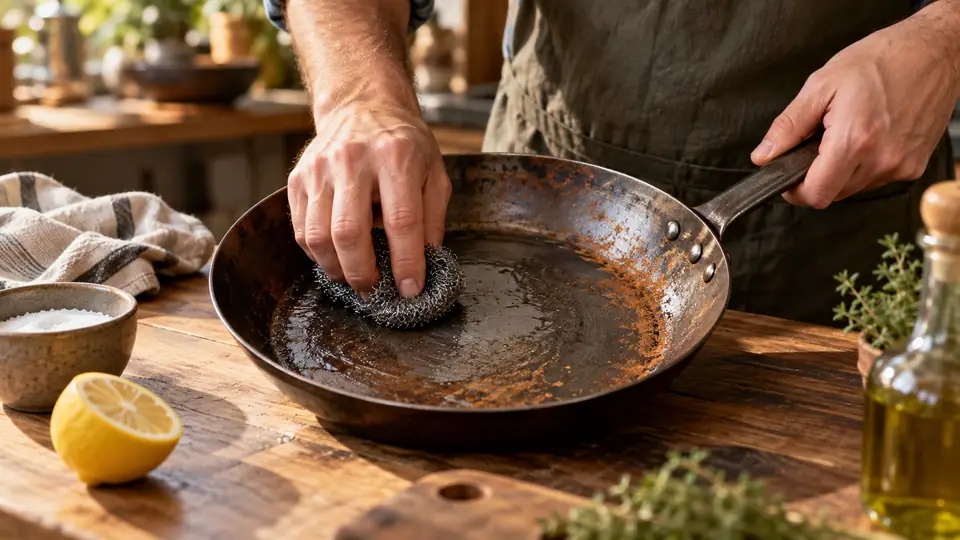
Rust is different. Rust looks orange, reddish, or flaky and indicates active corrosion. Rust should be removed promptly before it spreads or pits the blade.
Why Stainless Is Easier for Daily Kitchen Use
Stainless steel handles casual mistakes better. You can cut acidic ingredients, pause prep, and not worry as much about instant discoloration or rust. That makes stainless especially practical in family kitchens, shared kitchens, or busy service environments where a knife may not get immediate attention after each task.
For many home cooks, this convenience is the deciding factor. The knife still needs care, but the margin for error is much larger.
Food Reactivity and Flavor Concerns
Carbon steel can react with acidic foods such as lemons, tomatoes, vinegar, and some fruits. The result may be temporary metallic odor, discoloration on the blade, or slight changes in the appearance of the food. In heavy-reactive situations, especially with a fresh unpatinated blade, the effect can be more noticeable.
That does not make carbon steel unsafe in normal use, but it does make it less convenient for prep involving a lot of acid. Many cooks simply switch to stainless for those tasks.
Stainless steel is more neutral around acidic ingredients. If your prep often includes citrus, tomato sauces, fruit, or long sessions of ingredient chopping, stainless usually feels less fussy.
Durability and Toughness
Steel Durability Is Not Just About Rust
People often use the word durability loosely. With knives, durability includes corrosion resistance, edge stability, toughness, and the ability to survive long-term use without major problems. Carbon steel and stainless steel can both be durable, but they tend to fail in different ways.
Carbon steel is vulnerable to corrosion if neglected. Stainless is more protected there, but some very hard stainless steels may be more brittle at thin edge angles. As with edge retention, the exact alloy and heat treatment matter.
Chipping and Rolling
A thin, hard carbon steel edge can chip if used improperly on bones, frozen foods, or hard twisting cuts. The same is true for many hard stainless knives. Softer stainless blades may roll rather than chip, which can be easier to fix with honing or sharpening.
In normal kitchen use, blade geometry often matters more than the carbon-vs-stainless label. A delicate laser-thin stainless gyuto may be less abuse-tolerant than a sturdier carbon steel chef’s knife, and vice versa.
Maintenance Requirements
Carbon Steel Knife Care
Carbon steel rewards consistent habits. The care routine is not difficult, but it must be regular.
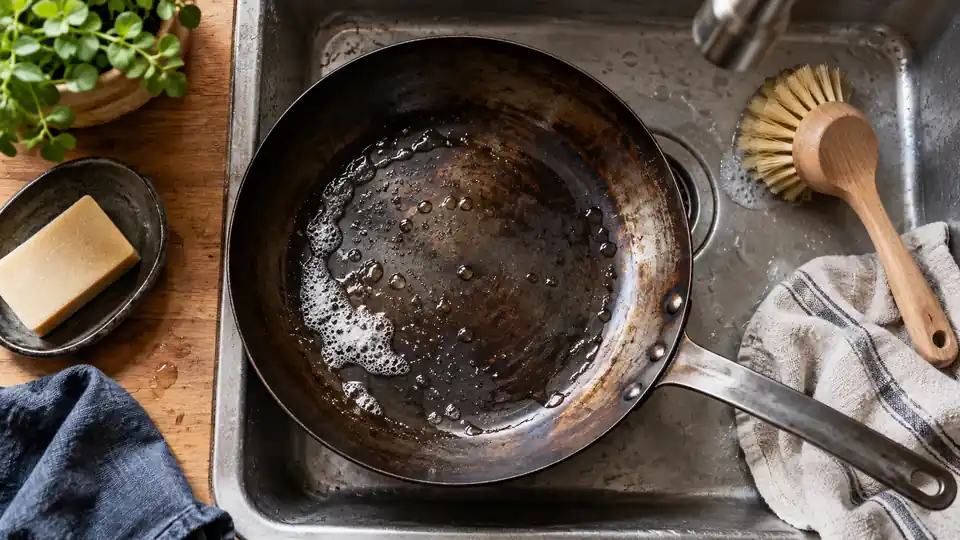
- Wash by hand only
- Dry immediately after washing
- Wipe during prep if cutting wet or acidic foods
- Store in a dry place
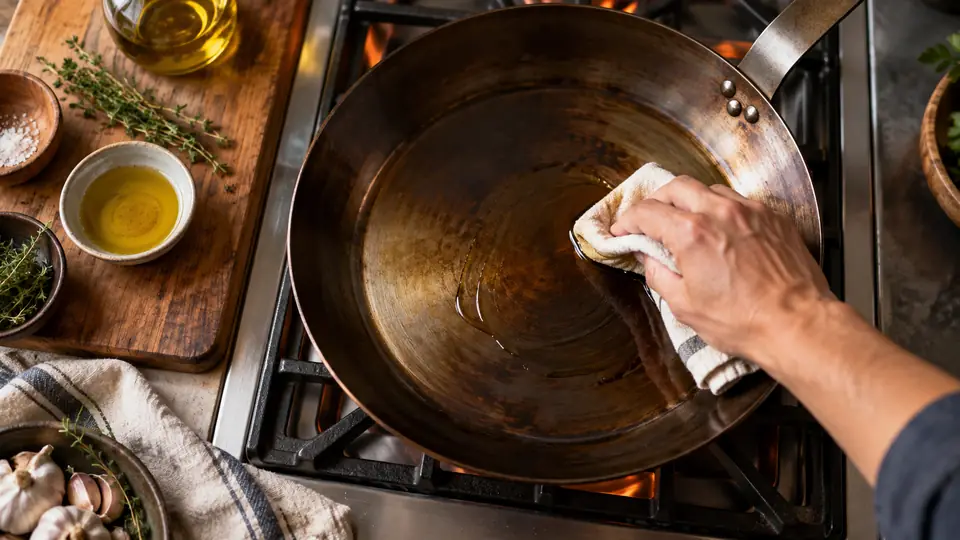
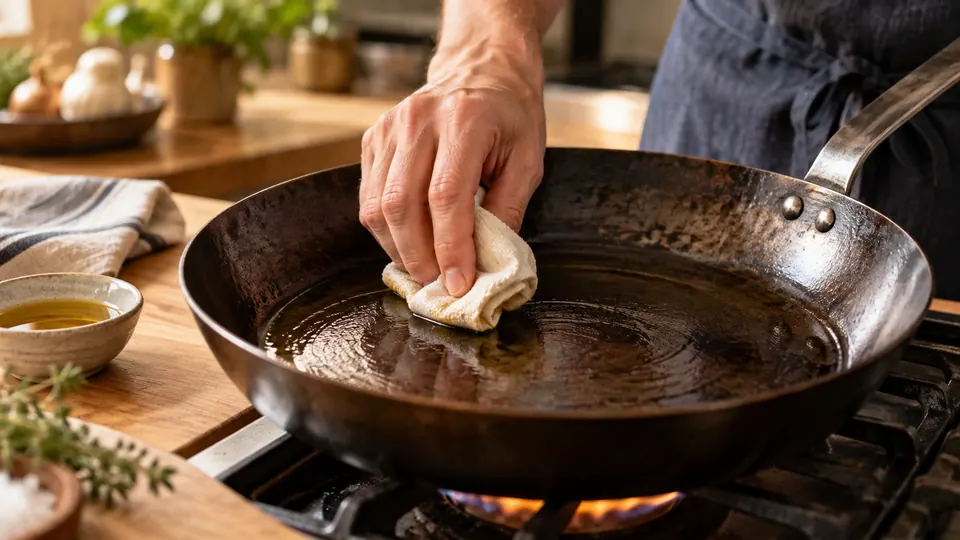
- Apply a very light coat of food-safe oil for long-term storage if needed
This is manageable for people who enjoy tools and routine maintenance. It is less ideal for users who tend to leave dishes for later.
Stainless Steel Knife Care
Stainless steel is simpler to own. It still benefits from hand washing and prompt drying, especially if the knife has a wood handle or a fine edge, but brief delays are less likely to create rust spots or staining.
- Hand wash for best long-term care
- Dry after washing
- Avoid dishwasher use
- Store so the edge is protected
Dishwashers are harsh on both materials because of heat, detergent, moisture, and contact with other utensils. Stainless survives better than carbon steel, but dishwasher use is still a poor idea for any serious kitchen knife.
Maintenance Comparison Table
| Task | Carbon Steel | Stainless Steel |
|---|---|---|
| Wash after use | Immediately recommended | Soon recommended |
| Dry after washing | Essential | Strongly recommended |
| Cut acidic foods | Possible, but may react | Usually no issue |
| Patina development | Expected | Minimal or none |
| Rust risk if left wet | High | Lower |
| Oil for storage | Helpful in humid storage | Usually unnecessary |
Weight, Feel, and Knife Design
The steel type alone does not determine weight or balance. Blade thickness, profile, tang design, and handle material play major roles. Still, many traditional carbon steel knives are designed with performance-focused grinds and a more tool-like character, while many mainstream stainless knives are built for broad consumer convenience.
That means your experience may be shaped as much by knife style as by the steel itself. A Western stainless chef’s knife and a Japanese carbon steel gyuto can feel completely different because of geometry and design, not only material. It is worth separating those factors when comparing knives.
Which Steel Is Better for Different Users?
Choose Carbon Steel If
- You enjoy sharpening and want a blade that responds well on stones
- You like the idea of a patina and do not mind visible aging
- You value a very keen, precise edge
- You are disciplined about washing, drying, and storing knives properly
- You want a more traditional knife experience
Choose Stainless Steel If
- You want easier maintenance
- You often prep acidic foods
- You share the kitchen with people who may not dry knives immediately
- You live in a humid environment
- You want a practical everyday blade with fewer care demands
For Professional Kitchens
Both steels have a place in professional use. Carbon steel can appeal to cooks who maintain their own tools closely and want fast touch-ups. Stainless is often favored where speed, sanitation, and mixed-user environments make low reactivity more practical.
In busy prep settings, a knife that can sit briefly without developing problems often makes daily work simpler. That is a major reason stainless remains dominant in many commercial kitchens.
Pros and Cons
Carbon Steel Knife Pros
- Usually easy to sharpen
- Can take a very fine edge
- Often preferred for traditional cutting feel
- Develops character through patina
Carbon Steel Knife Cons
- Rusts easily if neglected
- Reacts with acidic foods
- Needs prompt drying and more attention
- Appearance changes over time
Stainless Steel Knife Pros
- Better rust and stain resistance
- Lower maintenance
- Better for acidic ingredient prep
- More forgiving for everyday households
Stainless Steel Knife Cons
- Some alloys are harder to sharpen
- May not offer the same sharpening feel carbon steel fans prefer
- Performance varies widely across the category
Common Mistakes When Choosing Between Carbon and Stainless
Assuming Carbon Steel Is Always Better
Some buyers hear that carbon steel is what enthusiasts prefer and assume it is the superior material in all situations. That overlooks the maintenance burden. A great carbon steel knife becomes frustrating if its owner does not enjoy caring for it.
Assuming Stainless Steel Means Cheap or Dull
Stainless covers a huge range. A well-made stainless knife can be thin, sharp, durable, and excellent in serious kitchen work. Dismissing stainless as inferior ignores how much modern stainless steels have improved.
Ignoring Kitchen Habits
The most important factor is often routine. Do knives get washed right away? Do other people use them? Is the kitchen humid? Do acidic ingredients show up often? A steel that fits your actual habits will usually serve you better than one chosen for reputation alone.
Focusing Only on Steel and Not the Knife
Heat treatment, grind, profile, handle comfort, and edge geometry matter enormously. A poorly made carbon steel knife is still a poor knife. A well-made stainless knife can outperform it in real use.
For readers exploring traditional carbon options in more detail, a focused guide on the best Japanese carbon steel knife can help illustrate how blade style and steel choice work together.
What About Semi-Stainless and Tool Steels?
Not every knife fits neatly into the carbon-or-stainless split. Some blades are made from semi-stainless steels that offer better stain resistance than classic carbon steel without being fully stainless. Others use tool steels with excellent cutting performance but only modest corrosion resistance.
These steels can appeal to people who want a middle ground. Still, they often come with their own quirks, and they do not erase the core tradeoff. More corrosion resistance usually brings more convenience. More reactive steels often reward sharpening enthusiasts with a different kind of edge experience.
Frequently Asked Questions
Does carbon steel stay sharper longer than stainless steel?
Not always. Edge retention depends on the specific steel, heat treatment, and blade geometry. Carbon steel is often easier to resharpen, which can make it feel easier to keep sharp, but some premium stainless steels resist wear longer.
Can a carbon steel knife rust after one use?
It can develop spotting quickly if left wet or dirty, especially when new. Full rust after one normal use is less likely if the knife is washed and dried promptly, but neglect can cause corrosion surprisingly fast.
Is stainless steel better for beginners?
In many cases, yes. Stainless steel is usually the safer choice for beginners because it is less reactive and more forgiving if care habits are not yet consistent.
Does patina ruin a carbon steel knife?
No. A patina is usually normal and often desirable. It is different from rust. Patina darkens the blade, while rust appears orange or reddish and should be removed.
Can you cut tomatoes and lemons with carbon steel?
Yes, but the blade may react and discolor. For occasional use this is manageable, especially on a knife with a stable patina. For frequent acidic prep, stainless steel is more convenient.
Final Verdict
The carbon steel knife vs stainless steel knife decision comes down to performance preferences versus maintenance tolerance. Carbon steel appeals to people who enjoy sharpening, appreciate a very keen edge, and do not mind wiping and drying the blade carefully. Stainless steel makes more sense for cooks who want reliability, corrosion resistance, and fewer daily demands.
If your priority is pure convenience, stainless is usually the better fit. If your priority is sharpening ease and traditional cutting character, carbon steel has a strong case. Neither choice is wrong. The better knife steel is the one that matches how you actually cook, clean, and care for your tools.

Leave a Reply