
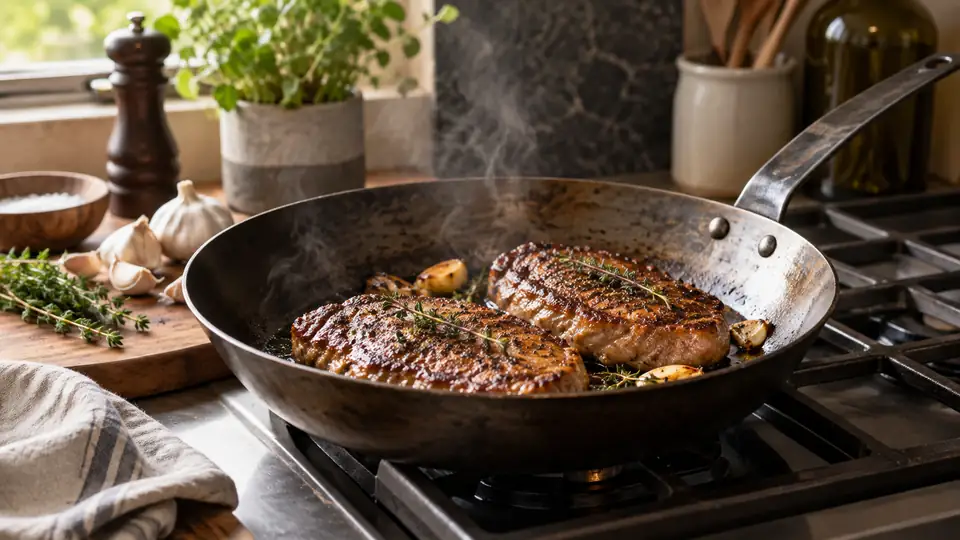
Carbon steel cookware can last for decades. In many kitchens, a well-made carbon steel pan outlives nonstick cookware by a wide margin and often stays in regular use for 20, 30, or even 50 years if it is not warped, cracked, or neglected through severe rust. That long lifespan is one of the main reasons cooks choose carbon steel in the first place.
The catch is that durability depends less on the calendar and more on care habits. Carbon steel is tough, but it is not maintenance-free. Leaving it wet in the sink, storing it in damp conditions, or repeatedly overheating an empty pan can shorten its useful life. On the other hand, routine drying, light oiling, and sensible heat use can keep it working for decades.
Understanding how long carbon steel cookware lasts matters because this material behaves differently from nonstick, stainless steel, and cast iron. It develops seasoning, can be restored after rust, and usually improves with use rather than wearing out quickly. If you are deciding whether carbon steel is worth the effort, lifespan is one of its strongest advantages.
Quick Answer
How long does carbon steel cookware last? In normal home use, carbon steel cookware can last several decades, and in some cases a lifetime. A quality carbon steel pan does not have a fragile synthetic coating that peels away after a few years. Instead, it relies on the metal itself plus a layer of seasoning that can be maintained and rebuilt over time.
The biggest threats to lifespan are not ordinary cooking. They are prolonged rust, warping from severe thermal shock or repeated overheating, and physical damage such as deep pitting or major dents. Minor rust, patchy seasoning, and surface discoloration usually do not mean the pan is ruined. Most of those problems can be fixed.
If you wash, dry, and store carbon steel cookware properly, it commonly lasts far longer than nonstick pans and can remain usable for decades. In practical terms, carbon steel cookware often stops being replaced because the owner wants something different, not because the pan has reached the end of its life.
Average Lifespan of Carbon Steel Cookware
Carbon steel cookware does not have a single fixed lifespan because usage patterns vary so much. A lightly used omelette pan in a dry kitchen may still look and perform well after decades. A wok used over intense heat every day in a busy cooking environment may show more wear, but it can still remain structurally sound for many years.
| Cookware Type | Typical Lifespan | What Usually Limits Lifespan |
|---|---|---|
| Thin carbon steel skillet | 10 to 30+ years | Warping from overheating, neglect, rust |
| Heavier carbon steel pan | 20 to 50+ years | Severe rust, major warping, abuse |
| Carbon steel wok | 15 to 40+ years | Rust, denting, heat stress, poor storage |
| Carbon steel griddle | 20 to 50+ years | Rust, warping, outdoor exposure |
These are broad ranges, not guarantees. The important point is that carbon steel is built around a repairable surface and a durable base metal. That gives it a very different ownership cycle from disposable-feeling cookware.
Why Carbon Steel Cookware Lasts So Long
No Fragile Chemical Coating to Wear Out
One of the biggest reasons carbon steel lasts is simple. There is no permanent factory nonstick layer that eventually flakes, blisters, or loses performance beyond recovery. The cooking surface is the metal itself, protected by seasoning.
Seasoning is a thin layer of oil that has bonded to the pan through heat. Over time, it forms a darker surface that improves release and helps protect against rust. If seasoning gets damaged, you do not throw the pan away. You clean it up and rebuild the surface.
The Metal Itself Is Tough
Carbon steel is strong and impact-resistant compared with many coated pans. It can handle high heat, metal utensils in many situations, and repeated use without the kind of surface failure common with nonstick cookware.
That does not make it indestructible. Thin pans can warp, and neglected rust can eat into the metal. Still, the core material is durable enough that most problems are surface issues rather than end-of-life failures.
Most Problems Are Repairable
Rust, uneven seasoning, sticky residue, and surface discoloration often look serious to new owners. In most cases, these are maintenance issues, not signs that the cookware is finished. A pan with orange rust can often be scrubbed clean, dried thoroughly, and re-seasoned.
This is a major reason long-term owners stick with carbon steel. The pan rarely becomes useless after one mistake. It usually gives you another chance.
What Determines How Long Carbon Steel Cookware Lasts
Thickness and Build Quality
Thicker carbon steel cookware generally resists warping better than very thin pans. Heavier skillets and griddles tend to feel more stable over years of heating and cooling cycles. Thin carbon steel can still last a long time, but it usually requires more care with heat management.
Handle attachment also matters. Riveted or welded handles can loosen or fail if poorly made, even when the cooking surface is still fine. A structurally solid pan almost always lasts longer than a bargain pan with thin metal and weak construction.
How Often It Is Used
Frequent use is not necessarily bad for carbon steel. In fact, regular cooking often helps seasoning develop and stabilize. A pan that is used often, cleaned properly, and dried immediately may stay in better shape than one stored away damp for months.
What matters is how it is used. Daily cooking with reasonable heat is usually not a problem. Daily overheating, long acidic braises, and poor cleanup habits are more likely to shorten lifespan.
Moisture Exposure
Water is the main enemy of carbon steel. The metal contains iron, and iron rusts when moisture and oxygen are allowed to act on it long enough. Brief washing is fine. Letting the pan air-dry in a humid kitchen or sit with water overnight is not.
Surface rust is common and repairable. Deep rust that sits for a long time can create pitting, which permanently removes metal. That kind of neglect shortens lifespan more than ordinary cooking ever will.
Heat Management
Carbon steel handles high heat well, but that does not mean unlimited abuse. Repeatedly blasting an empty pan over maximum heat can cause warping, especially with thinner cookware or induction burners that create concentrated heat zones.
Thermal shock matters too. Taking a screaming-hot pan and running it under cold water can stress the metal. Not every pan will warp from a single mistake, but repeated shock increases the risk over time.
Type of Cooking
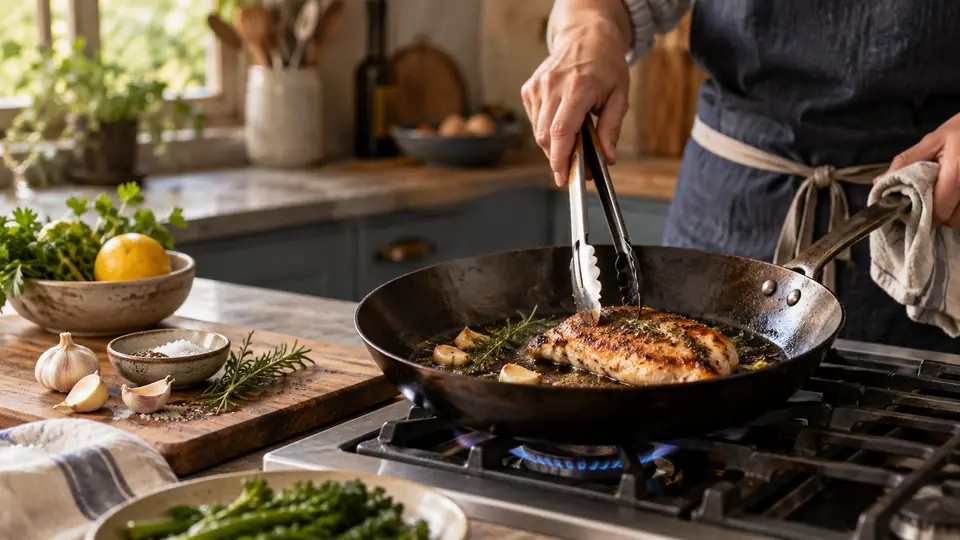
Quick searing, sautéing, stir-frying, frying eggs, and browning meats are all good fits for carbon steel. Long simmers of tomato sauce, wine-heavy reductions, or other acidic liquids can strip seasoning and expose bare metal. That does not necessarily ruin the pan, but it does increase maintenance needs.
Using carbon steel for the right tasks helps it last longer and perform better. Using it constantly for jobs better suited to stainless steel creates more wear on the seasoning layer.
Signs Your Carbon Steel Pan Is Still Fine
Owners sometimes think a carbon steel pan has worn out when it is actually just going through a normal stage of use. These signs usually mean the cookware is still in good working condition:
- Uneven color: Brown, blue, black, and patchy areas are common.
- Seasoning flaking in spots: Often fixable with cleaning and re-seasoning.
- Light surface rust: Usually removable with scrubbing.
- Sticky areas after seasoning: A sign of too much oil, not a dead pan.
- Minor scratches: Normal from utensils and regular use.
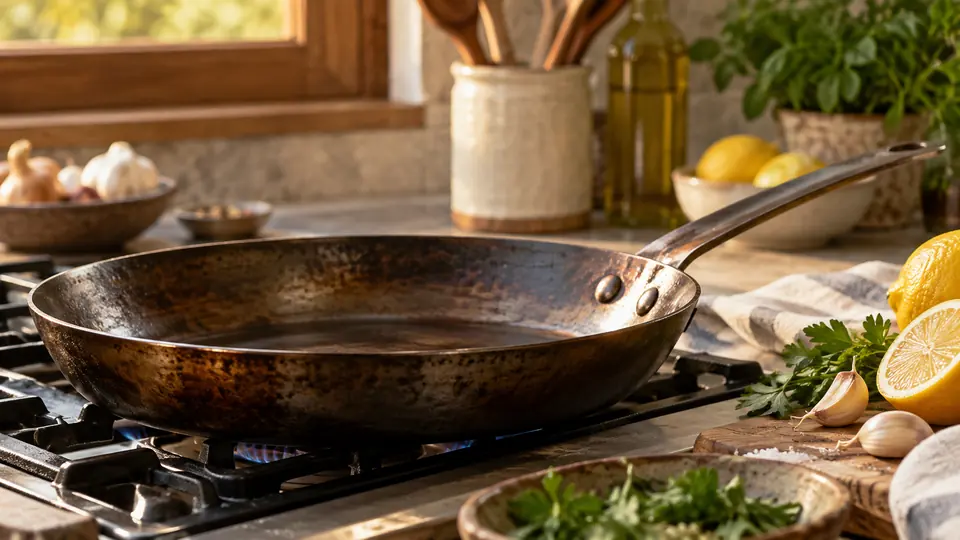
A well-used carbon steel pan rarely looks perfect. It often looks a little mottled, darkened, and irregular. That appearance is normal and often a sign of an actively used pan rather than a worn-out one.
Signs Carbon Steel Cookware May Be Near the End of Its Life
True end-of-life cases are less common than most people expect, but they do happen. These problems are more serious:
- Severe warping: The pan no longer sits flat enough to cook safely or evenly.
- Deep rust pitting: Corrosion has eaten into the metal rather than staying on the surface.
- Cracks: Rare, but usually a reason to retire the pan.
- Loose or damaged handle attachment: Especially if repair is not practical.
- Major denting or misshaping: More common with thin woks or rough storage.
If the issue is only seasoning, discoloration, or light rust, the pan is almost never done. If the metal itself is permanently distorted or structurally compromised, that is a different story.
How Long Does Carbon Steel Cookware Last Compared With Other Types?
| Cookware Material | Typical Lifespan | Main Failure Point | Can It Usually Be Restored? |
|---|---|---|---|
| Carbon steel | Decades | Rust, warping, structural damage | Often yes |
| PTFE nonstick | 2 to 7 years | Coating wear, scratching, loss of release | Usually no |
| Stainless steel | Decades | Warping, delamination in poor-quality pans | Sometimes |
| Cast iron | Decades to lifetime | Cracking, severe rust, neglect | Often yes |
| Ceramic nonstick | 1 to 5 years | Loss of slickness, surface wear | Usually no |
Carbon steel sits in a useful middle ground. Like cast iron, it can be restored and often lasts a very long time. Like stainless steel, it is strong and versatile. Unlike coated nonstick pans, it is not built around a short-lived surface treatment that eventually forces replacement.
How Seasoning Affects Lifespan
Seasoning Protects the Metal
Seasoning is not just about making eggs slide better. It also acts as a barrier between the bare steel and moisture. That helps slow oxidation, which is the chemical process that leads to rust.
The seasoning layer is created when very thin oil is heated until it polymerizes. In plain English, the oil changes under heat and forms a bonded layer on the metal. That layer is not permanent, but it can be maintained with regular cooking and proper cleaning.
Seasoning Does Not Need to Look Perfect
New owners often assume a pan needs a flawless, jet-black finish to be healthy. It does not. Some of the longest-lasting carbon steel pans look uneven, bronzed, or patchy. Performance matters more than appearance.
Chasing cosmetic perfection can actually create problems, especially if too much oil is applied during seasoning. Thick oil layers can turn sticky and attract frustration. Thin, repeated layers and regular use are usually better.
Stripped Seasoning Is Not the Same as a Ruined Pan
Acidic foods, aggressive scrubbing, or cooking mishaps can strip parts of the seasoning. That can make the pan look damaged, but in most cases the solution is simply to dry it well and rebuild the surface with a few cooking sessions or a short seasoning reset.
For pans that are difficult to season consistently, some cooks prefer pre-seasoned carbon steel pans because they reduce the early learning curve, though the long-term lifespan still depends mainly on care.
What Shortens the Life of Carbon Steel Cookware
Leaving It Wet
This is the fastest route to rust. Even a small amount of water left under the pan rim, near rivets, or on the interior overnight can create orange spotting. In humid climates, air-drying alone is often not enough.
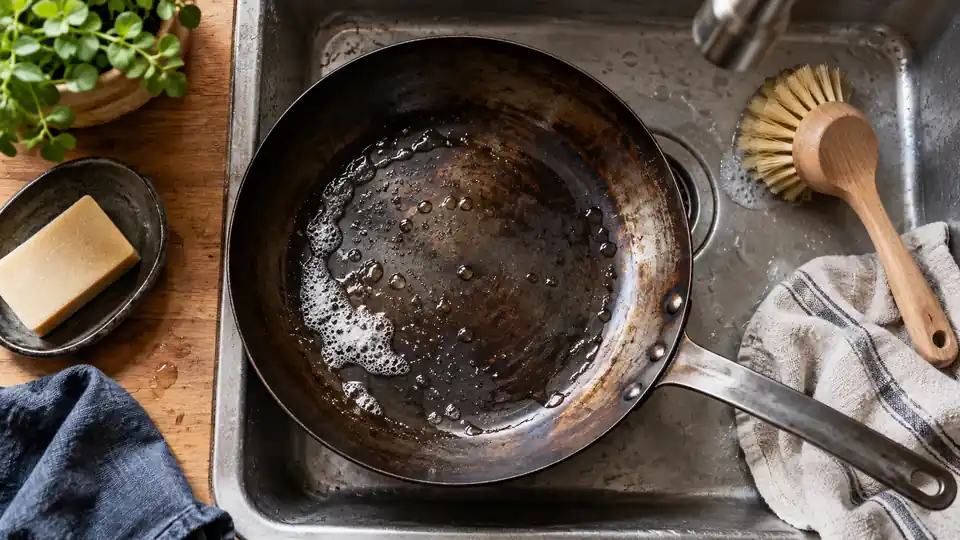
After washing, dry the cookware immediately. Many owners also place it over low heat for a minute or two to make sure all moisture is gone.
Using Too Much Heat Too Fast
Carbon steel is responsive, which means it heats up quickly. That is useful for searing and sautéing, but it also means a burner set too high can overheat the pan before the cook realizes it. Repeated overheating can lead to warped bottoms, especially on thinner pans.
This is particularly relevant on induction and powerful gas burners. A gradual preheat is usually safer and more even.
Long Acidic Cooking
Tomatoes, vinegar, citrus, and wine can strip seasoning if cooked for long periods. A short pan sauce is usually manageable. A 45-minute tomato simmer is less ideal.
Acid does not usually destroy the pan itself, but it can remove the protective layer and expose steel to moisture. That means more cleanup and a greater chance of rust if the pan is not dried and re-oiled afterward.
Poor Storage
Stacking damp cookware, storing it in a garage, or keeping it where condensation forms all create problems. Carbon steel prefers a dry environment. If pans are stacked, a paper towel or pan protector between them can help absorb trace moisture and reduce abrasion.
Outdoor Neglect
Carbon steel griddles and outdoor cooking plates often fail early because they are exposed to rain, humidity, and temperature swings. The material itself is durable, but outdoor exposure accelerates oxidation fast if the cookware is not protected.
How to Make Carbon Steel Cookware Last Longer
Dry It Thoroughly Every Time
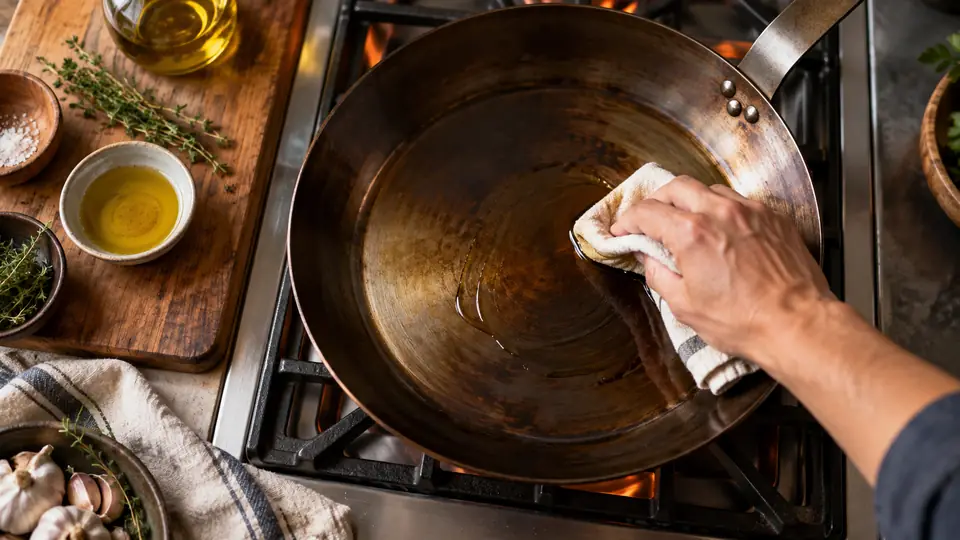
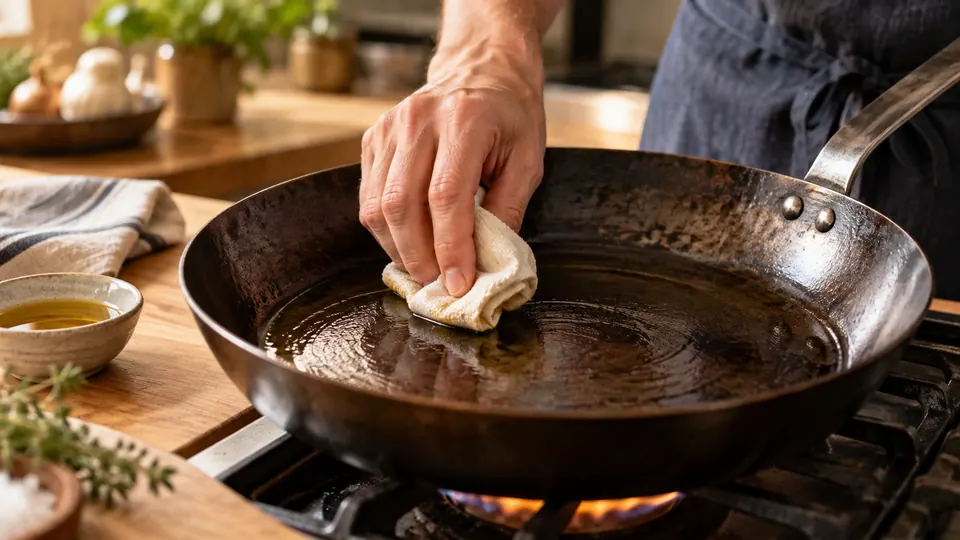
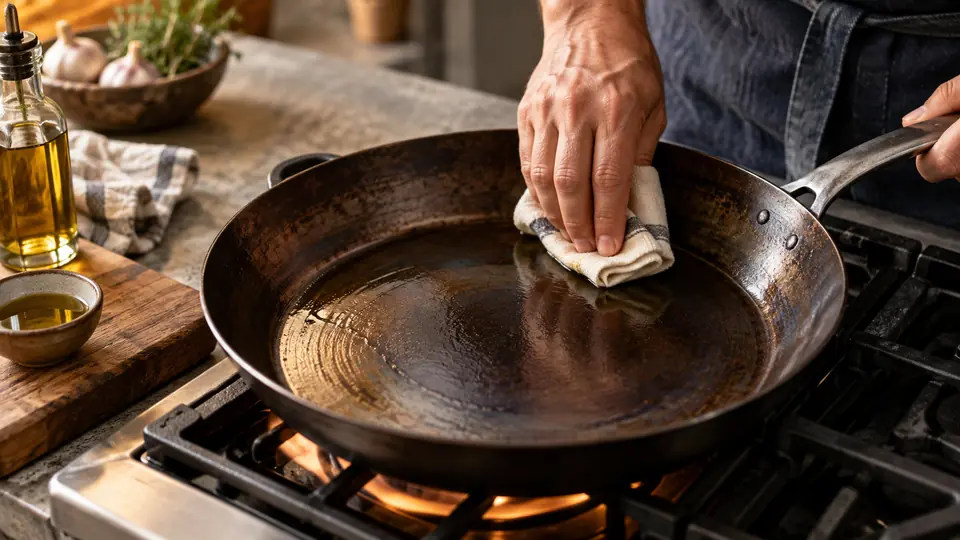
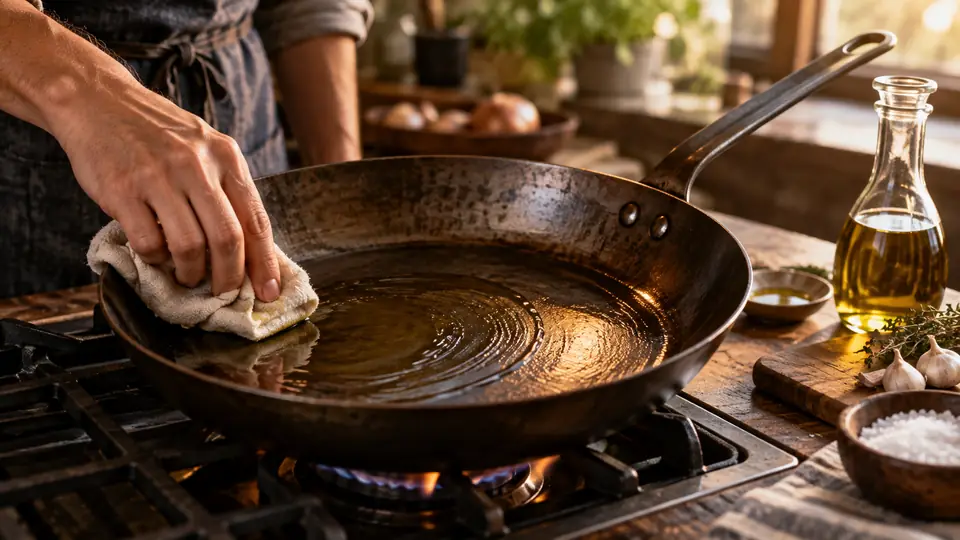
This habit matters more than almost anything else. Wash the pan, towel-dry it, then warm it briefly to remove hidden moisture. Once dry, a very thin wipe of oil can help with storage, especially in humid conditions.
Preheat Gradually
A short, gentle preheat helps avoid hot spots and reduces the risk of warping. It also improves cooking performance because the pan surface reaches a more even temperature before food goes in.
Use the Right Amount of Oil
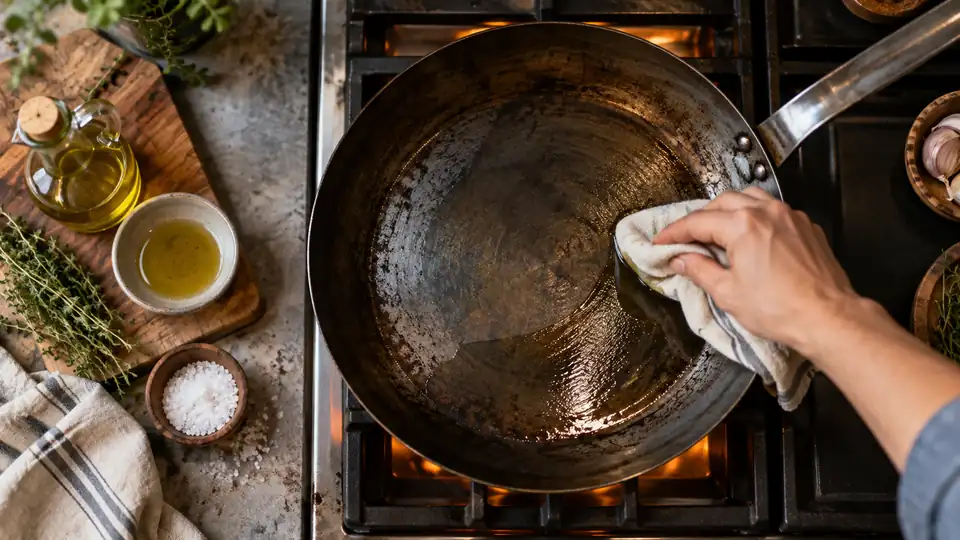
For seasoning and maintenance, less oil is usually better. A microscopically thin film protects better than a thick sticky layer. Excess oil can polymerize unevenly and create tacky buildup that people sometimes mistake for damage.
Reserve Long Acidic Simmers for Other Pans
Carbon steel can handle many foods, but it is not the ideal tool for every job. Stainless steel is usually better for extended acidic cooking. Saving carbon steel for searing, frying, sautéing, and quick pan work helps preserve seasoning and reduce maintenance.
Fix Problems Early
Small rust spots are easy to handle. Deep neglected corrosion is not. If seasoning starts flaking or rust appears, address it promptly. Quick action often keeps a minor issue from becoming permanent metal loss.
Maintenance Habits That Support a Long Lifespan
| Maintenance Habit | How Often | Why It Helps |
|---|---|---|
| Wash and dry immediately after use | Every use | Prevents rust and protects seasoning |
| Warm pan briefly after washing | Every use | Removes hidden moisture |
| Apply very thin oil film for storage | As needed | Improves rust protection |
| Touch up seasoning | Occasionally | Rebuilds surface after stripping or sticking |
| Check for rust near rivets and edges | Monthly or after storage | Catches corrosion early |
Does Expensive Carbon Steel Last Longer?
Not always, but better-made cookware often has advantages that support a longer working life. Thicker steel can resist warping better. Smoother finishing may help seasoning build more evenly. Stronger handle construction can hold up longer under repeated use.
That said, a modestly priced carbon steel pan that is cared for well can outlast a premium pan that is routinely left wet or overheated. Price affects potential durability, but owner habits still matter more.
Can Old Carbon Steel Be Restored?
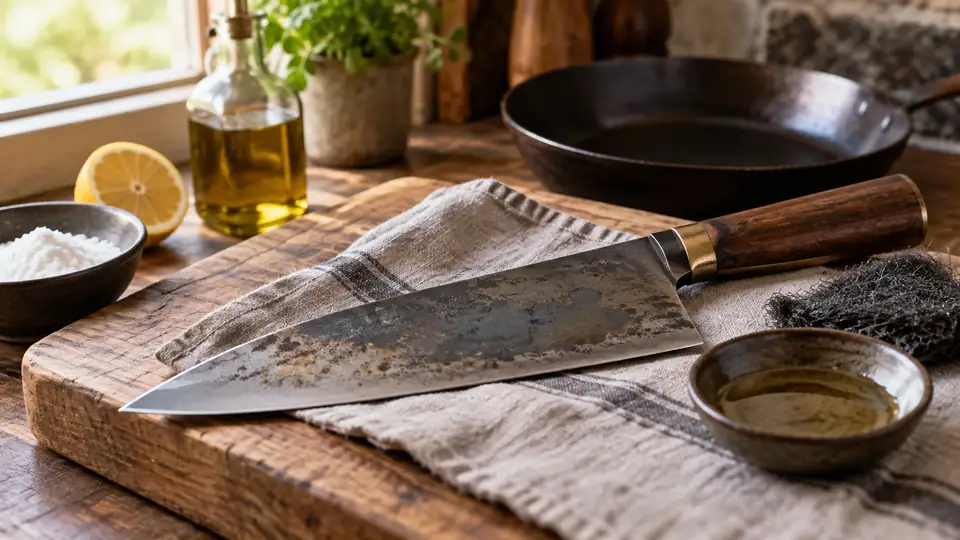
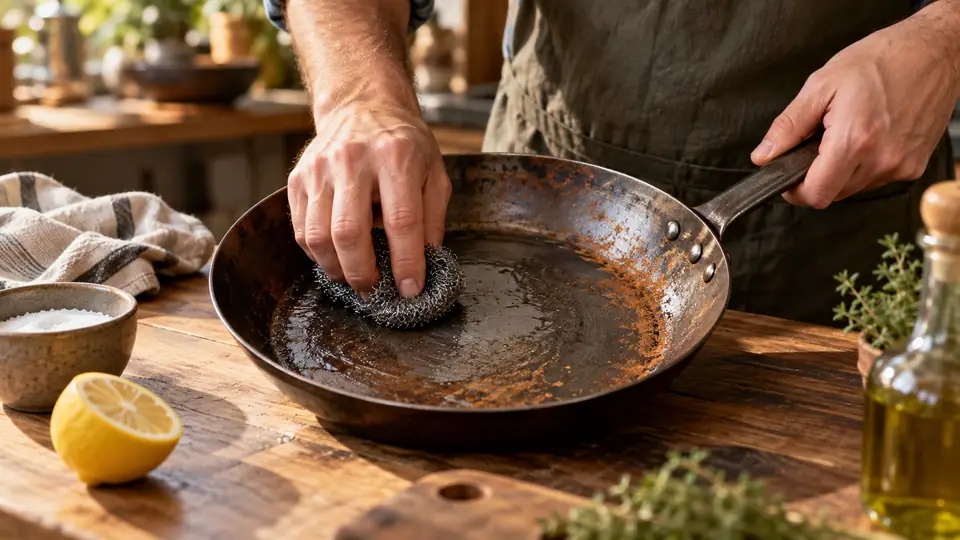
In many cases, yes. Old carbon steel cookware is often salvageable unless the metal has been deeply eaten away by rust or badly warped. Surface rust can be scrubbed off with abrasive pads, coarse salt, or a rust-removal process appropriate for cookware. After that, the pan can be dried and re-seasoned.
This restorable nature is one of the strongest arguments for carbon steel. It is common to see older pans brought back into service after looking rough for years. A pan may look unattractive and still have plenty of cooking life left.
Common Mistakes That Make People Think Carbon Steel Wears Out Faster Than It Does
Mistaking Patina for Damage
Blueing, dark spots, bronze coloring, and uneven black patches are all normal. Carbon steel changes appearance with heat and use. That visual change is not a sign that the pan is deteriorating.
Expecting It to Behave Like Nonstick
Carbon steel does not maintain a factory-slick surface with no effort. It rewards technique, preheating, and seasoning. If food sticks after a rough cooking session, that usually points to temperature or surface condition, not a worn-out pan.
Overreacting to Rust
Light rust looks alarming because it is bright orange. In reality, surface rust is often easier to fix than severe coating wear on a nonstick pan. The key is to remove it early before it becomes deep pitting.
Seasoning Too Heavily
People trying to “protect” the pan sometimes coat it with too much oil. That creates sticky, uneven buildup and can lead them to believe the surface has failed. Thin layers are more durable and easier to maintain.
Who Gets the Longest Life Out of Carbon Steel?
Carbon steel tends to last longest for cooks who:
- Use the pan regularly
- Dry it carefully after washing
- Do not leave it soaking
- Use moderate, controlled preheating
- Reserve long acidic cooking for other cookware
- Handle rust and seasoning problems early
In other words, the longest lifespan usually comes from ordinary good habits, not obsessive maintenance. Carbon steel does not need pampering, but it does reward consistency.
Frequently Asked Questions
Can carbon steel cookware last a lifetime?
Yes, it can. A quality carbon steel pan or wok can last a lifetime if it is protected from severe rust, major warping, and structural damage. Lifetime use is more realistic with thicker, well-made pieces and good care habits.
Does carbon steel wear out like nonstick?
No. Carbon steel does not rely on a short-lived synthetic nonstick coating. Its seasoning layer can wear, strip, and be rebuilt, which is very different from a conventional nonstick coating that usually cannot be restored once it fails.
Is rust on carbon steel permanent?
Usually not. Light to moderate surface rust can often be scrubbed off and followed with drying and re-seasoning. Deep rust that has caused pitting is more serious because it means metal has been lost.
How do I know if my carbon steel pan is ruined?
Look for structural issues rather than cosmetic ones. Severe warping, cracks, major pitting, or unsafe handle damage are stronger signs that the pan may be beyond practical repair. Uneven color, stripped seasoning, and light rust are usually fixable.
Do carbon steel woks last as long as carbon steel skillets?
They can, but it depends on thickness, storage, and how they are used. Woks often see very high heat and can be thinner than skillets, which may make them more vulnerable to denting or warping. Still, a well-cared-for carbon steel wok can remain in service for decades.
Final Thoughts on How Long Does Carbon Steel Cookware Last
How long does carbon steel cookware last? Much longer than most modern coated pans, and often long enough to be considered multi-decade cookware. In practical use, carbon steel lasts until the metal itself is badly damaged, not until a delicate surface coating wears away.
That long life comes with a tradeoff. Carbon steel needs basic care, especially drying and rust prevention. The good news is that the maintenance is simple, and most problems are repairable. If you want cookware that can improve with use and stay functional for many years, carbon steel is one of the most durable options in the kitchen.

Leave a Reply