
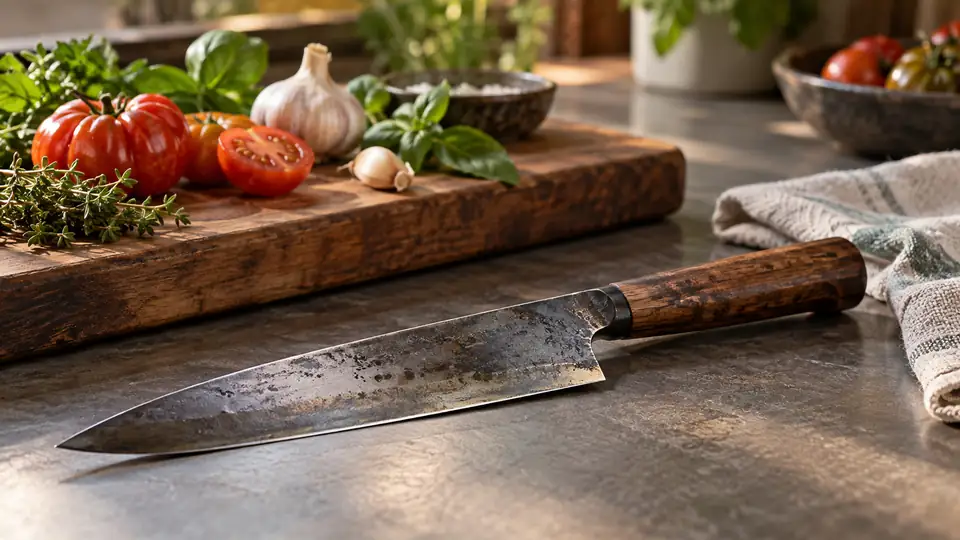
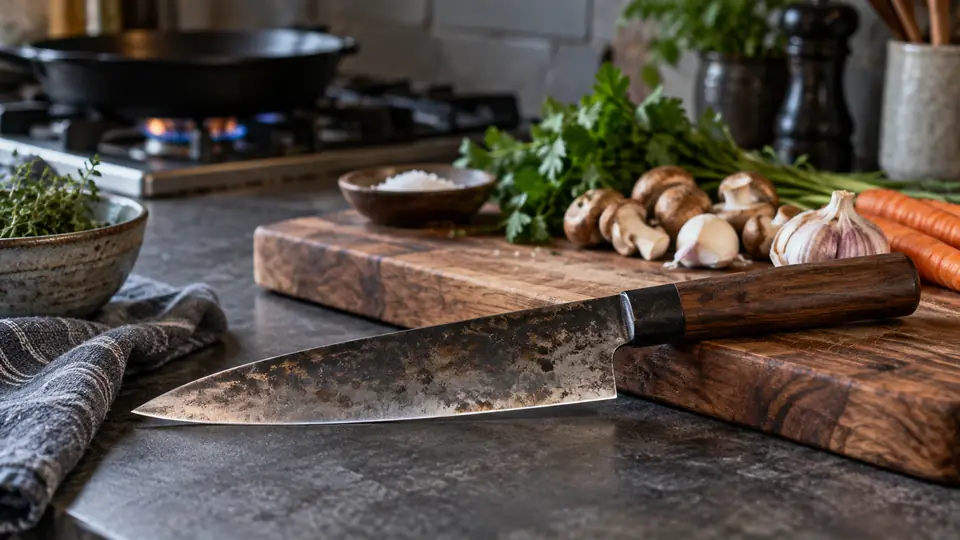
A carbon steel knife sits in an interesting middle ground for cooks. It often offers the sharpness, edge feel, and easy resharpening that knife enthusiasts appreciate, but it also asks more from the owner than most stainless knives do. That combination is exactly why the question what is a carbon steel knife matters. You are not just choosing a blade material. You are choosing a different ownership experience.
In kitchen use, carbon steel knives are known for taking a very keen edge and responding well to sharpening stones. They are popular in professional kitchens, among some butchers, outdoors users, and home cooks who value cutting performance over low maintenance. At the same time, they can rust, discolor, and react with acidic foods if handled carelessly.
Understanding how carbon steel behaves helps you decide whether it fits your habits. Some people enjoy the patina, regular wiping, and routine maintenance. Others would rather have a knife they can leave wet for a few minutes without worry. Both approaches are reasonable. The key is knowing what carbon steel actually is, what it does well, and where its drawbacks show up in daily use.
Quick Answer
A carbon steel knife is a knife made primarily from iron and carbon, with relatively low chromium content compared with stainless steel. Because it lacks enough chromium to resist corrosion like stainless does, it can rust if left wet and often develops a dark patina over time. In exchange, carbon steel typically takes a very sharp edge, sharpens more easily, and gives many users a crisp, precise cutting feel.
In practical terms, carbon steel knives are valued for performance and edge maintenance, but they require more care. After use, they should usually be washed by hand, dried promptly, and stored in a dry place. Cutting acidic foods such as lemons, onions, or tomatoes can darken the blade, which is normal and often part of the knife’s character.
If you want low maintenance, a stainless steel knife is often the easier choice. If you prioritize sharpness, straightforward sharpening, and do not mind caring for the blade regularly, a carbon steel knife can be a very good fit.
What Is a Carbon Steel Knife?
At its simplest, a carbon steel knife is a knife whose blade is made from steel that relies mainly on carbon content for hardness and cutting performance rather than corrosion resistance. Steel is fundamentally iron with carbon added. In carbon steel, that recipe stays relatively simple compared with stainless alloys.
The exact composition varies by manufacturer and steel type, but carbon steel knives generally contain enough carbon to become hard after heat treatment. That hardness helps the edge become thin and sharp. It also helps the knife hold that edge reasonably well, depending on the specific steel and hardness level.
What carbon steel usually does not contain is enough chromium to qualify as stainless steel. Stainless kitchen knives typically rely on higher chromium content to form a protective oxide layer that slows rusting. Carbon steel blades have less of that protection, which is why they stain, patina, and corrode more easily.
This category includes several well-known knife steels, from simple high-carbon steels used in outdoor knives to traditional Japanese kitchen knife steels such as White steel and Blue steel. Some Western knives also use steels like 1095. The common thread is that these blades prioritize cutting performance and sharpening characteristics over corrosion resistance.
Carbon Steel Knife Characteristics at a Glance
| Characteristic | Typical Carbon Steel Behavior | What It Means in Daily Use |
|---|---|---|
| Sharpness potential | Very high | Can take an extremely fine, precise edge |
| Ease of sharpening | Usually easier than many stainless steels | Less effort on stones or sharpening systems |
| Corrosion resistance | Low to moderate | Needs prompt drying and basic care |
| Patina formation | Common | Blade darkens with use, especially with acidic foods |
| Rust risk | Higher than stainless | Can spot rust if left wet or dirty |
| Edge feel | Crisp and aggressive | Often feels very precise on vegetables and proteins |
| Maintenance needs | Moderate to high | Hand wash, dry, and monitor the blade regularly |
What Makes Carbon Steel Different From Stainless Steel?
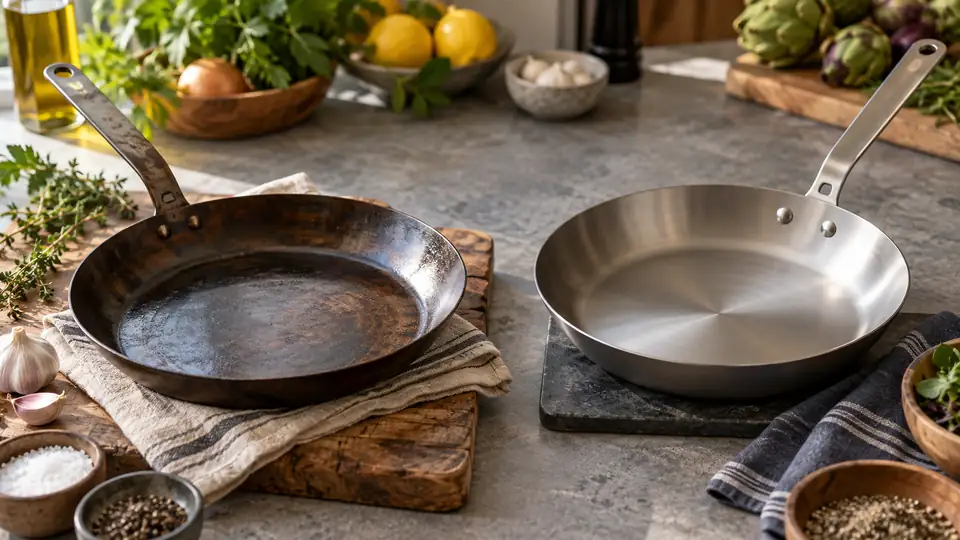
The biggest difference is corrosion resistance. Stainless steel contains enough chromium to resist rust far better than carbon steel. Carbon steel, by contrast, is more chemically reactive. Moisture, acids, and even normal kitchen humidity can affect the blade surface.
That difference leads to very different ownership habits. A stainless chef’s knife can often survive small lapses in care. A carbon steel knife is less forgiving. Leaving it damp on a cutting board, in a sink, or inside a wet sheath can quickly lead to staining or rust.
There is also a performance side to the comparison. Many cooks find that carbon steel has a pleasant sharpening response and can support very keen edges with less effort. That does not mean every carbon steel knife is automatically better than every stainless knife. Heat treatment, blade geometry, and overall craftsmanship matter just as much as the steel category.
Still, the classic appeal of carbon steel remains consistent. It is simple, responsive, easy to tune on sharpening stones, and often favored by people who enjoy maintaining their tools.
How Carbon Steel Affects Knife Performance
Sharpness and Edge Formation
Carbon steel is often praised because it can take a refined, very sharp edge. In plain terms, the steel can be sharpened into a thin, clean apex that cuts efficiently. That matters for precise kitchen tasks such as slicing onions, trimming proteins, mincing herbs, and making delicate cuts in fruits or vegetables.
This is one reason traditional carbon steel knives developed such strong reputations in professional kitchens. Users who sharpen regularly often appreciate how quickly the steel responds and how clearly it tells you what is happening on the stone.
Ease of Sharpening
One of the most practical advantages of carbon steel is that it is usually easier to sharpen than many wear-resistant stainless steels. The steel abrades more willingly, so restoring the edge can take less time. For home cooks learning to use whetstones, that can make the sharpening process less frustrating.
It does not mean sharpening is effortless or that all carbon steels behave the same way. Hardness, carbide structure, and blade design still matter. But in general, a carbon steel edge often feels more straightforward to maintain.
Edge Retention
Edge retention depends on more than whether a knife is carbon steel or stainless. Heat treatment, hardness, edge angle, and the work you ask the knife to do all matter. Some carbon steels hold an edge very well. Others trade a bit of edge life for easier sharpening and toughness.
For kitchen users, the practical takeaway is simple. A good carbon steel knife may not always outlast premium stainless in raw edge retention, but it often feels easier to bring back to peak performance. That can matter more than absolute edge life if you sharpen regularly.
Toughness and Practical Use
Not all carbon steel knives are tough, and not all are fragile. Some simple carbon steels used in work knives are fairly durable. Some harder Japanese carbon steel kitchen knives can be more brittle and should not be twisted through hard foods or used on bones.
That is why steel type alone never tells the whole story. A thin carbon steel gyuto behaves differently from a thick outdoor carbon steel knife. The shape, thickness behind the edge, and intended use are just as important as the steel itself.
Why Carbon Steel Knives Patina and Rust
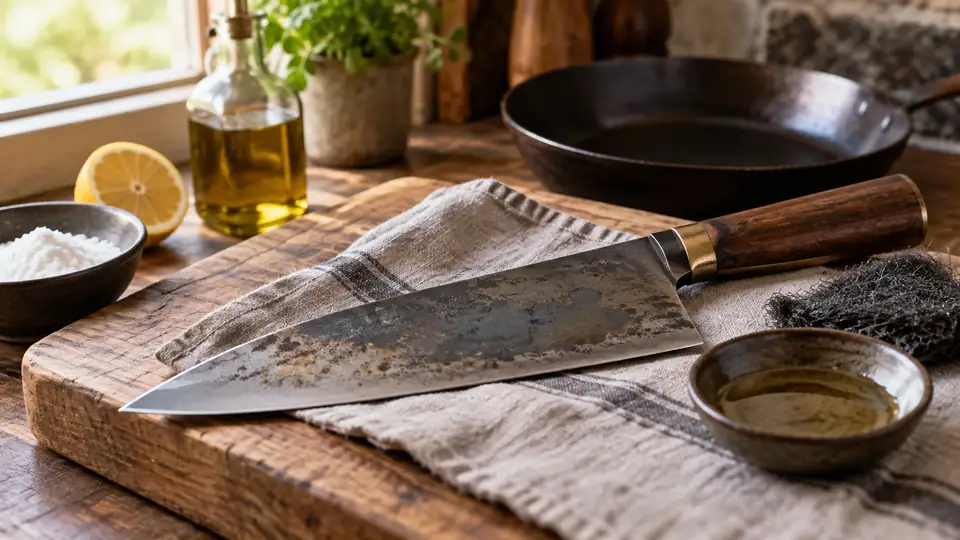
Carbon steel reacts with oxygen, moisture, and acids. This process is a form of oxidation. In kitchen use, oxidation first often appears as gray, blue, or dark discoloration known as patina. Patina is common and usually not harmful. In fact, many users see it as a natural protective layer and a sign of regular use.
Rust is different. Rust is active corrosion, usually reddish or orange, and it indicates that the blade has been exposed to moisture long enough for damaging oxidation to develop. A little surface rust can often be removed, but repeated neglect can pit the blade and damage the finish.
Acidic foods can speed up this reaction. Slicing citrus, tomatoes, apples, onions, or proteins with strong moisture and salt can discolor a carbon steel blade quickly. Sometimes the blade may even leave a slight metallic smell or darken food during its earliest uses before a stable patina forms.
This reactive behavior is not necessarily a defect. It is one of the defining characteristics of carbon steel. The important thing is understanding the difference between normal patina and harmful rust.
Patina vs Rust
| Feature | Patina | Rust |
|---|---|---|
| Color | Gray, blue, dark brown, or black | Orange, red, or reddish brown |
| Effect on blade | Usually cosmetic, sometimes mildly protective | Active corrosion that can damage steel |
| Cause | Normal reaction with food, moisture, and air | Excess moisture and neglect |
| Should you remove it? | Usually no | Yes, as soon as possible |
| Common location | Across the blade face | Spots, streaks, edge area, tang, or near handle junction |
Types of Carbon Steel Used in Knives
There is no single carbon steel recipe. Knife makers use a range of carbon steels, each with its own balance of hardness, toughness, and sharpening feel.
Simple High-Carbon Steels
Steels such as 1095 are often described as simple carbon steels. They are known for taking a keen edge and being relatively easy to sharpen. They can rust quickly if neglected, but many users appreciate their straightforward behavior. If you want a deeper look at one of the most recognized examples, 1095 carbon steel knives are a useful reference point.
Japanese Carbon Steels
Traditional Japanese knife steels often include White steel and Blue steel. White steel is often valued for purity and sharpening feel. Blue steel usually includes additional elements for better edge retention while still keeping much of the carbon steel character. These steels are common in knives designed for fine kitchen cutting rather than heavy abuse.
Tool Steels and Semi-Stainless Variants
Some knives are made from tool steels that blur the line between classic carbon steel and more complex alloys. Others are semi-stainless, meaning they offer more stain resistance than traditional carbon steel but less than true stainless steel. These can appeal to users who want some carbon steel cutting feel without full reactivity.
For most buyers, the practical lesson is that not all carbon steel knives behave identically. Steel type matters, but heat treatment and grind matter just as much.
Key Benefits of a Carbon Steel Knife
Very Sharp Edge Potential
This is the benefit that attracts most people first. Carbon steel can often be sharpened very finely, producing excellent bite and clean cuts. In food prep, that can mean smoother slicing, less crushing of delicate ingredients, and better control during detailed work.
Easier Sharpening
For cooks who maintain their own knives, carbon steel often feels cooperative. It generally raises a burr predictably, responds clearly on stones, and can be touched up without excessive time. That is especially helpful if you prefer hand sharpening over sending knives out for service.
Distinct Cutting Feel
Some users describe carbon steel as having a more direct or lively feel on the board. This is partly about the steel and partly about the kinds of knives often made from it. Thin grinds and hard heat treatments are common in performance-focused carbon steel knives, which can make them feel especially precise.
Character Over Time
Unlike stainless blades that tend to look similar month after month, a carbon steel knife changes visibly with use. The patina develops based on your ingredients and habits. Some cooks enjoy this because the knife gains a used, personal appearance rather than staying factory-clean.
Potential Drawbacks of a Carbon Steel Knife
Higher Rust Risk
The most obvious drawback is maintenance sensitivity. A carbon steel knife cannot be treated casually. If it sits wet, food residue remains on the blade, or it is stored in damp conditions, corrosion can develop quickly.
Reactivity With Foods
Fresh carbon steel blades can react strongly with acidic ingredients. You may notice discoloration on the blade or even temporary changes in food color or smell. This usually settles down after a patina develops, but it is still a real consideration.
More Demanding Ownership
You need to wash and dry the knife promptly, avoid dishwashers, and pay attention to storage. For some people, that is not a burden. For others, especially in busy households, it can become annoying.
Not Always Ideal for Shared Kitchens
A carbon steel knife can suffer quickly if someone else leaves it in the sink or runs it through the dishwasher. In households where tools are shared casually, stainless may be the safer choice.
Who Should Consider a Carbon Steel Knife?
- Home cooks who sharpen their own knives. Carbon steel rewards people who maintain edges regularly.
- Cooks who value cutting feel. If edge refinement and precision matter to you, carbon steel is appealing.
- Users comfortable with maintenance. Hand washing, drying, and occasional oiling do not feel like a major inconvenience.
- Knife enthusiasts. Many collectors and serious users enjoy the patina, steel response, and traditional feel.
- People using knives in controlled environments. A careful cook at home can often manage carbon steel more easily than a rushed, multi-user kitchen can.
Who Might Prefer Stainless Instead?
- Anyone who wants low maintenance. Stainless is far more forgiving.
- Busy households. If knives are shared and care habits vary, carbon steel may get neglected.
- People who dislike discoloration. Patina is normal on carbon steel, but not everyone likes the look.
- Cooks who frequently prep acidic foods for long sessions. Stainless is simpler if your routine involves lots of citrus, tomatoes, or fruit.
- Users who do not sharpen often. Carbon steel is easy to sharpen, but that advantage matters less if you prefer minimal involvement.
How to Care for a Carbon Steel Knife
Owning a carbon steel knife is not difficult, but it does require consistency. Most problems come from small lapses rather than major misuse.
Basic Daily Care
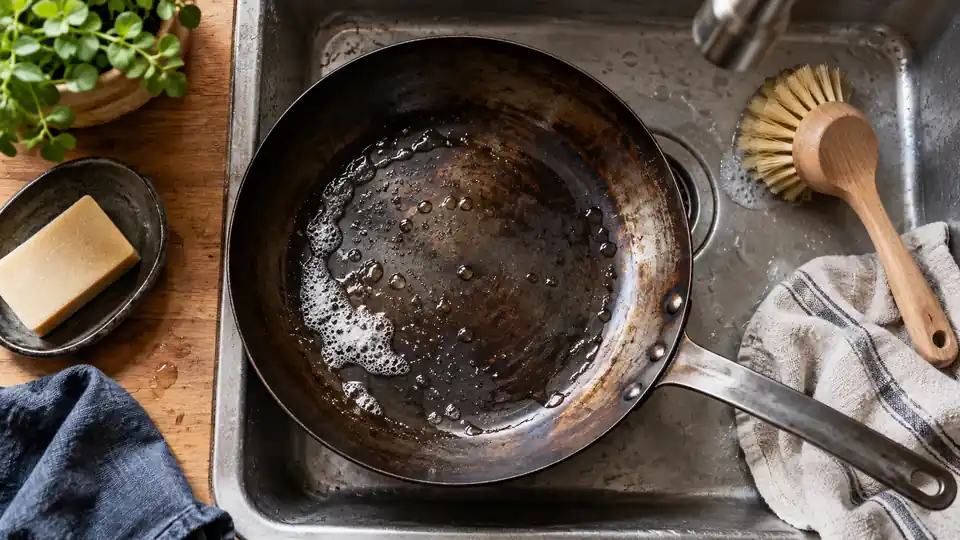
- Wash the knife by hand with mild soap and warm water.
- Dry it thoroughly right away.
- Do not leave it on a wet board, in a sink, or under damp towels.
- Store it somewhere dry, such as on a magnetic strip, knife block, or saya that is fully dry inside.
During Food Prep
If you are cutting acidic or wet ingredients for an extended period, wipe the blade occasionally. This is especially useful with onions, citrus, tomatoes, and proteins that leave moisture on the blade face. A quick wipe can reduce spotting and uneven reactivity.
Longer-Term Maintenance
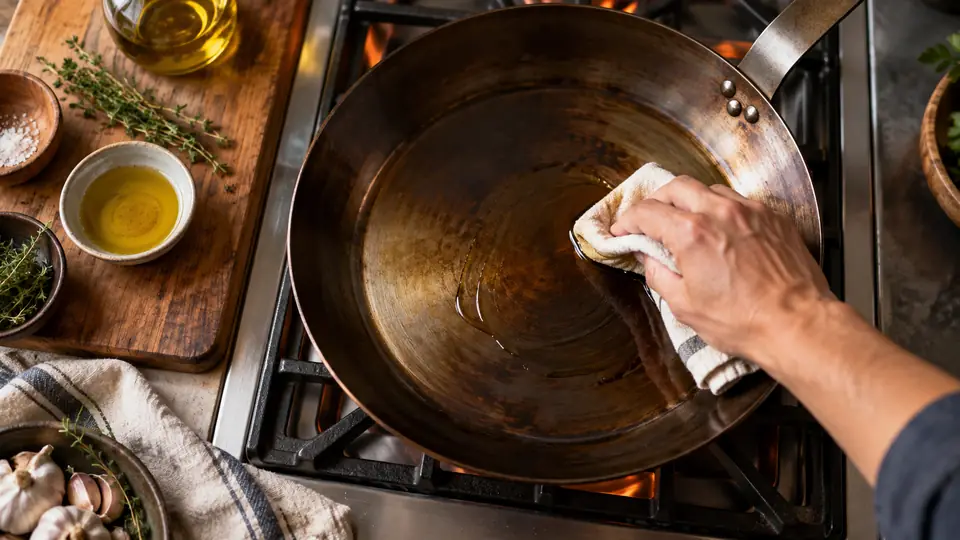
If the knife will be stored for a while, a very light coat of food-safe oil on the blade can help reduce rust risk. This is more relevant in humid climates or if the knife is not used regularly. You do not need a thick coating. A thin protective film is enough.
Sharpening Considerations
Carbon steel generally responds well to whetstones. Frequent light touch-ups are often better than waiting for the knife to become very dull. A heavily worn edge takes more time to restore, while regular maintenance keeps the knife performing consistently.
Common Mistakes With Carbon Steel Knives
Leaving the Knife Wet
This is the fastest route to rust. Even a few minutes of neglect can cause spotting, especially on very reactive steels.
Using the Dishwasher
Dishwashers expose the blade to water, detergent, heat, and impact. That combination is hard on any knife and especially hard on carbon steel.
Confusing Patina With Damage
Many new owners see gray or blue discoloration and assume the knife is being ruined. In most cases, that is just patina. It is normal and often desirable.
Ignoring Small Rust Spots
Surface rust is easier to remove early. If you let it sit, it can become more stubborn and may eventually pit the steel.
Using the Knife Outside Its Design
A thin carbon steel kitchen knife is not a cleaver and not a pry bar. Twisting through hard squash, bones, or frozen foods can chip or roll the edge, especially on harder Japanese blades.
How Carbon Steel Knives Fit Into Real Kitchen Use
Carbon steel performs very well in focused prep work. Slicing shallots, chiffonading herbs, portioning boneless proteins, and trimming vegetables can feel smooth and accurate with a well-sharpened carbon steel edge. The blade often gives clear feedback, which many cooks enjoy.
The tradeoff appears during hectic cooking sessions. If you move quickly between ingredients, set the knife down repeatedly, or leave tools on wet towels, carbon steel demands more attention. In a disciplined workflow this is manageable. In a messy or rushed kitchen, stainless is often less stressful.
That is why carbon steel is often appreciated most by users who enjoy their tools as part of the cooking process. The knife is not just an object that cuts. It is a tool that responds to care, develops character, and rewards maintenance.
Does a Carbon Steel Knife Mean Better Quality?
No. Carbon steel does not automatically mean better, more premium, or more expensive. It simply means the blade uses a more reactive steel type with certain performance traits. A poorly made carbon steel knife can perform badly. A well-made stainless knife can perform extremely well.
Quality depends on several factors:
- Steel selection
- Heat treatment
- Blade geometry
- Grind consistency
- Handle construction
- Fit and finish
It is better to think of carbon steel as a material choice with clear strengths and weaknesses, not as a guarantee of superiority.
Frequently Asked Questions
Is a carbon steel knife the same as a stainless steel knife?
No. A carbon steel knife has lower chromium content and is more reactive than stainless steel. That means it can rust more easily, but it often sharpens more readily and can take a very fine edge.
Do carbon steel knives rust easily?
They can rust fairly easily if left wet or dirty. Prompt washing and thorough drying greatly reduce the risk. Patina is normal, but orange or red spots indicate active rust.
Are carbon steel knives good for kitchen use?
Yes, many are excellent kitchen knives. They are especially valued for sharpness, precision, and ease of sharpening. They are less ideal for cooks who want a knife that needs very little care.
Why does my carbon steel knife turn dark after cutting food?
That darkening is usually patina, which forms as the steel reacts with moisture and acidic ingredients. It is a normal part of carbon steel ownership and often helps the blade become less reactive over time.
Can beginners use a carbon steel knife?
Yes, as long as they understand the maintenance. The main challenge is not cutting performance. It is remembering to hand wash, dry immediately, and avoid leaving the blade wet.
Should I oil a carbon steel knife?
For daily kitchen use, careful drying is often enough. If you live in a humid area, store the knife for long periods, or notice recurring rust risk, a very light coat of food-safe oil can help protect the blade.
Final Thoughts
If you are asking what is a carbon steel knife, the simplest answer is that it is a high-performance but more reactive knife material. It usually offers excellent sharpness, a satisfying sharpening experience, and a distinctive character that develops with use. In exchange, it requires attention to moisture, storage, and routine care.
For cooks who enjoy maintaining their tools, a carbon steel knife can be deeply rewarding. For those who want something more forgiving, stainless steel is often the easier match. The right choice depends less on abstract knife theory and more on your habits in the kitchen. If you are willing to wipe, dry, and occasionally sharpen, carbon steel can make a lot of sense.

Leave a Reply