
Carbon Steel vs Hard Anodized Cookware is a useful comparison because these two materials often appeal to the same cook. Both are lighter and easier to handle than traditional cast iron, both can be excellent for everyday stovetop cooking, and both are common choices for skillets, sauté pans, and woks. Still, they behave very differently once heat, oil, acidic foods, and long-term wear enter the picture.
Carbon steel is a bare metal cooking surface that develops seasoning over time. Hard anodized cookware is usually aluminum that has been treated to create a tougher outer layer, and in most cases it is paired with a nonstick coating inside. That difference alone affects heat response, maintenance, metal utensil safety, durability, and how forgiving the pan feels in daily use.
Choosing between them is less about which material is universally better and more about which one fits your cooking habits. If you like high-heat searing, can handle a bit of maintenance, and want a pan that can improve with use, carbon steel has clear strengths. If you want easier cleanup, less maintenance, and a more beginner-friendly cooking surface, hard anodized cookware often makes more sense.
Quick Answer
In the Carbon Steel vs Hard Anodized Cookware comparison, carbon steel is usually better for high-heat cooking, searing, browning, oven use, and long-term durability of the pan body itself. It can last for decades, but it needs seasoning, careful drying, and some awareness around acidic foods and rust prevention.
Hard anodized cookware is usually better for convenience. It heats quickly, is easy to clean, and is often sold with a nonstick interior that helps with eggs, delicate fish, and lower-fat cooking. The tradeoff is that the nonstick surface tends to wear out long before the pan body does, which limits lifespan compared with a well-maintained carbon steel pan.
If you want a cookware material that rewards technique and can handle intense heat, carbon steel is the stronger choice. If you want a lower-maintenance everyday pan that works well right away and demands less attention, hard anodized cookware is often the easier fit. For many kitchens, the real decision is not performance alone. It is whether you value longevity and heat capability more than convenience and simplicity.
Comparison Table
| Feature | Carbon Steel | Hard Anodized Cookware |
|---|---|---|
| Base Material | Iron and carbon | Aluminum treated through anodization |
| Cooking Surface | Seasoned bare metal | Usually coated nonstick, sometimes uncoated |
| Heat Tolerance | Excellent for high heat | Moderate to high, depends heavily on coating and handle materials |
| Searing Ability | Very strong | Usually good, but not ideal for maximum-heat searing if nonstick coated |
| Stick Resistance | Improves with seasoning and technique | Very good at first if nonstick coated |
| Maintenance | Needs seasoning, drying, and rust prevention | Generally easy, avoid damaging coating |
| Acidic Foods | Can strip seasoning or react if cooking time is long | Usually handles acidic foods better |
| Metal Utensils | Usually fine | Often discouraged if nonstick coated |
| Lifespan | Potentially decades | Pan body lasts, but coating often limits service life |
| Weight | Moderate, lighter than cast iron but still substantial | Usually lighter and easier to maneuver |
| Rust Risk | Yes | No rust concern in normal use |
| Learning Curve | Higher | Lower |
What Is Carbon Steel?
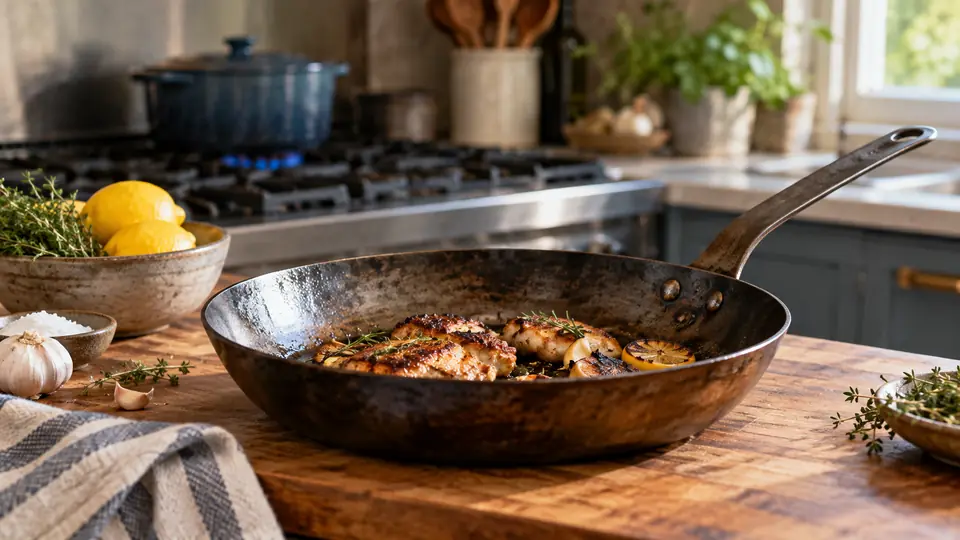
Carbon steel cookware is made primarily from iron with a small amount of carbon. In practical cooking terms, it behaves like a lighter, smoother cousin of cast iron. It can take very high heat, build up seasoning, and develop a naturally slicker surface over time if used and cared for properly.
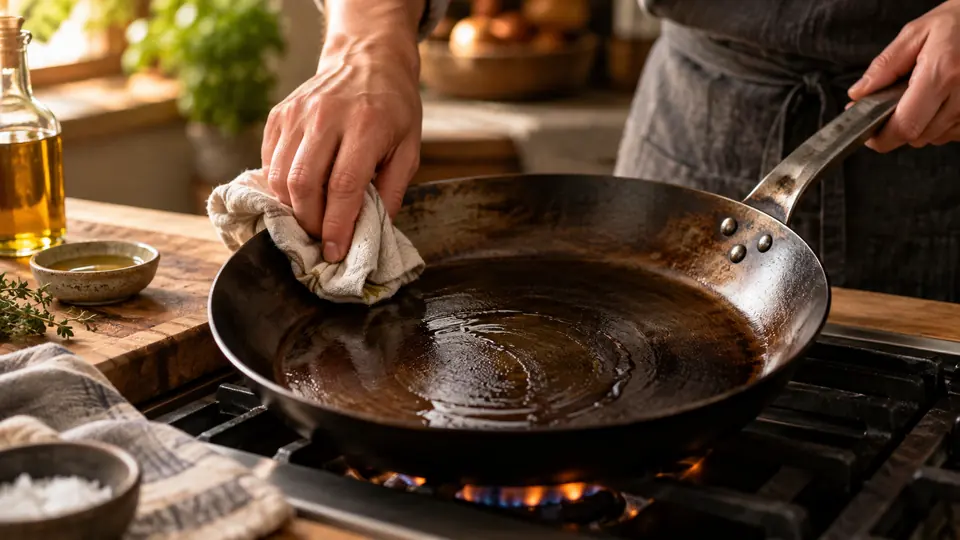
That seasoning layer is created when thin films of oil bond to the hot metal surface. This process, often called polymerization, forms a dark protective coating that helps reduce sticking and slows rust formation. The seasoning is not as instantly slick as a new synthetic nonstick coating, but it becomes more useful with repeated cooking.
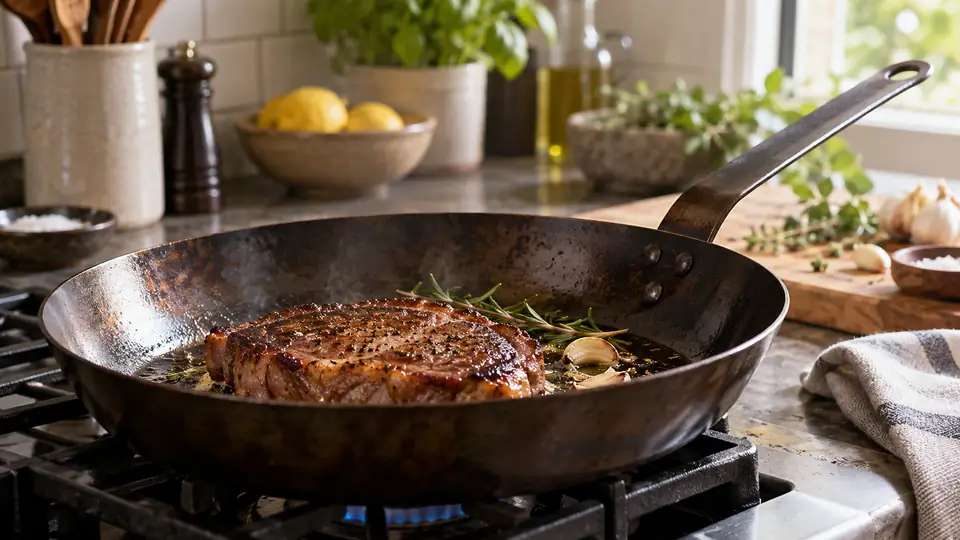
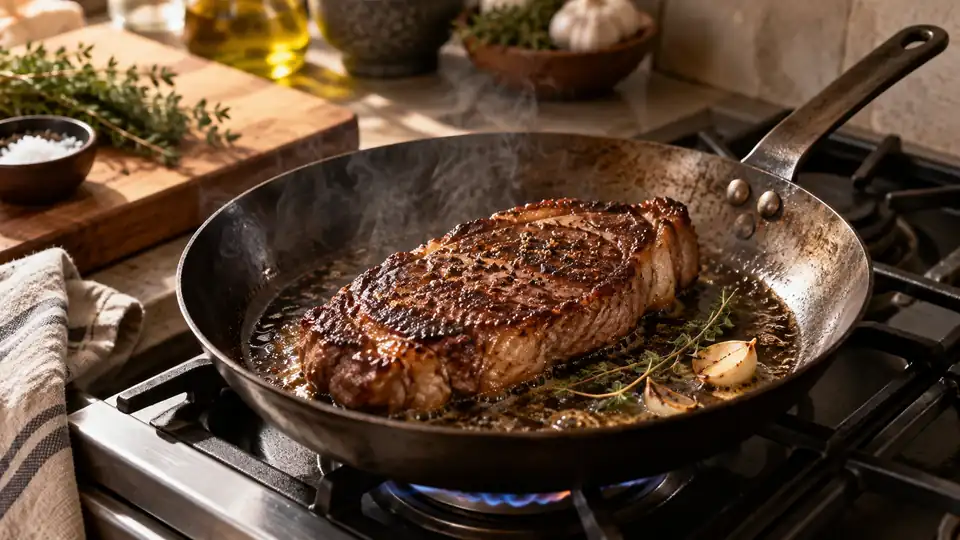
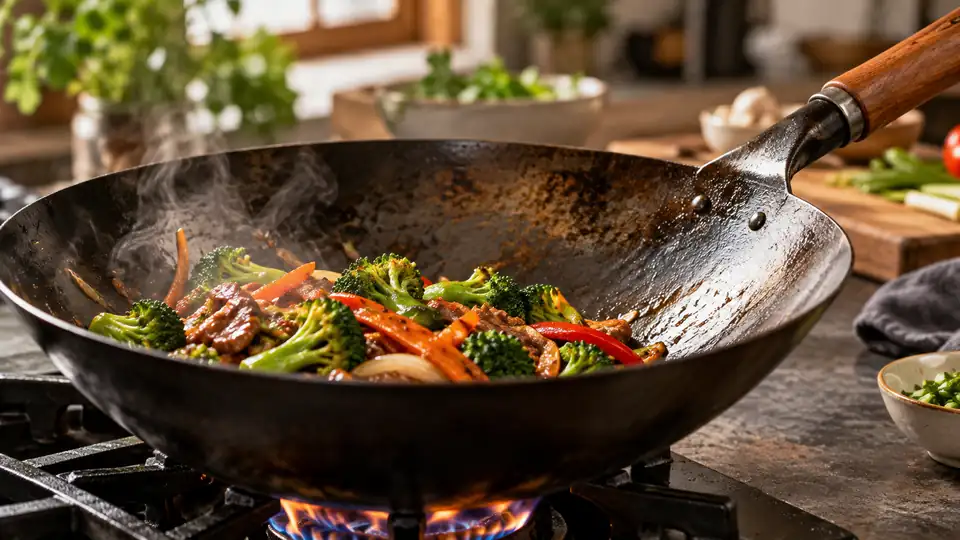
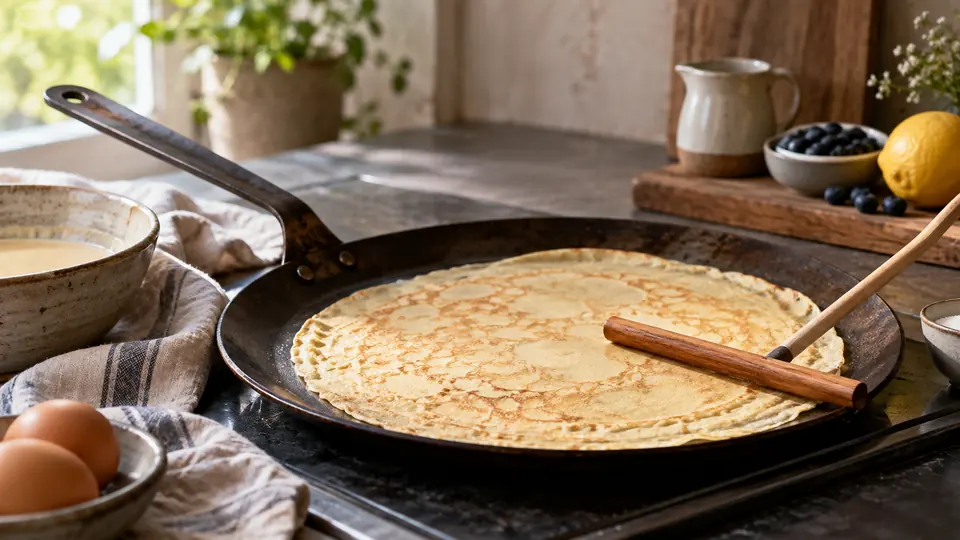
Carbon steel is popular for searing steaks, frying eggs once seasoned well, making crepes, roasting vegetables, sautéing, stir-frying, and oven finishing. It is especially valued by cooks who like responsive pans that can move from stovetop to oven without much concern.
The tradeoff is maintenance. Carbon steel should not be left wet, usually should not be soaked, and often needs a light film of oil after cleaning. If that sounds manageable, the material offers excellent long-term value.
What Is Hard Anodized Cookware?
Hard anodized cookware starts with aluminum. The aluminum is treated electrochemically to create a harder, more durable outer surface than standard aluminum cookware. This treatment improves scratch resistance and corrosion resistance, while keeping the cookware relatively light and responsive.
In the market, most hard anodized cookware is sold with a nonstick interior coating. That means the hard anodization strengthens the pan body, but the actual food-contact surface is often a separate nonstick layer. This detail matters because the user experience is shaped more by the coating than by the anodized aluminum underneath.
Hard anodized pans are common in home kitchens because they heat quickly, clean up easily, and work well for everyday meals. They are especially convenient for eggs, pancakes, fish fillets, and foods that tend to tear or stick in less forgiving pans.
However, nonstick-coated hard anodized cookware has a built-in lifespan. Once the coating becomes scratched, worn, or loses release performance, the pan is usually less useful even if the aluminum body remains structurally sound.
Heat Performance Comparison
Heat Responsiveness
Both materials respond reasonably well to changes in burner settings, but they do so differently. Hard anodized aluminum cookware tends to heat up faster because aluminum is an excellent heat conductor. If you need a pan that reaches cooking temperature quickly on a busy weeknight, that can be a real advantage.
Carbon steel also heats relatively quickly compared with cast iron, but it is not quite as fast or as even as aluminum-based cookware. It rewards preheating, especially for foods like eggs, chicken cutlets, or vegetables that benefit from a stable cooking surface.
High-Heat Cooking
This is where carbon steel usually pulls ahead. Carbon steel handles high burner output, broiler finishing, and strong searing very well. It is a common material in restaurant kitchens for a reason. It tolerates aggressive heat without the same concern you would have for a synthetic nonstick layer.
Hard anodized cookware can perform well over moderate to moderately high heat, but many manufacturers of nonstick-coated versions advise avoiding excessive heat. That is not because the anodized aluminum body is weak. It is because the coating can degrade faster if used too hot too often.
Heat Retention
Carbon steel generally has better heat retention than hard anodized aluminum cookware, especially if the pan is fairly thick. That means it holds onto heat better when a cold steak or a batch of mushrooms hits the surface. For browning and crust development, that steadiness helps.
Hard anodized cookware tends to lose heat faster when food is added, particularly lighter-weight pans. That is not always bad. It can actually help prevent overcooking delicate foods. But for serious searing, it is often less capable.
Cooking Surface Comparison
Stick Resistance in Daily Use
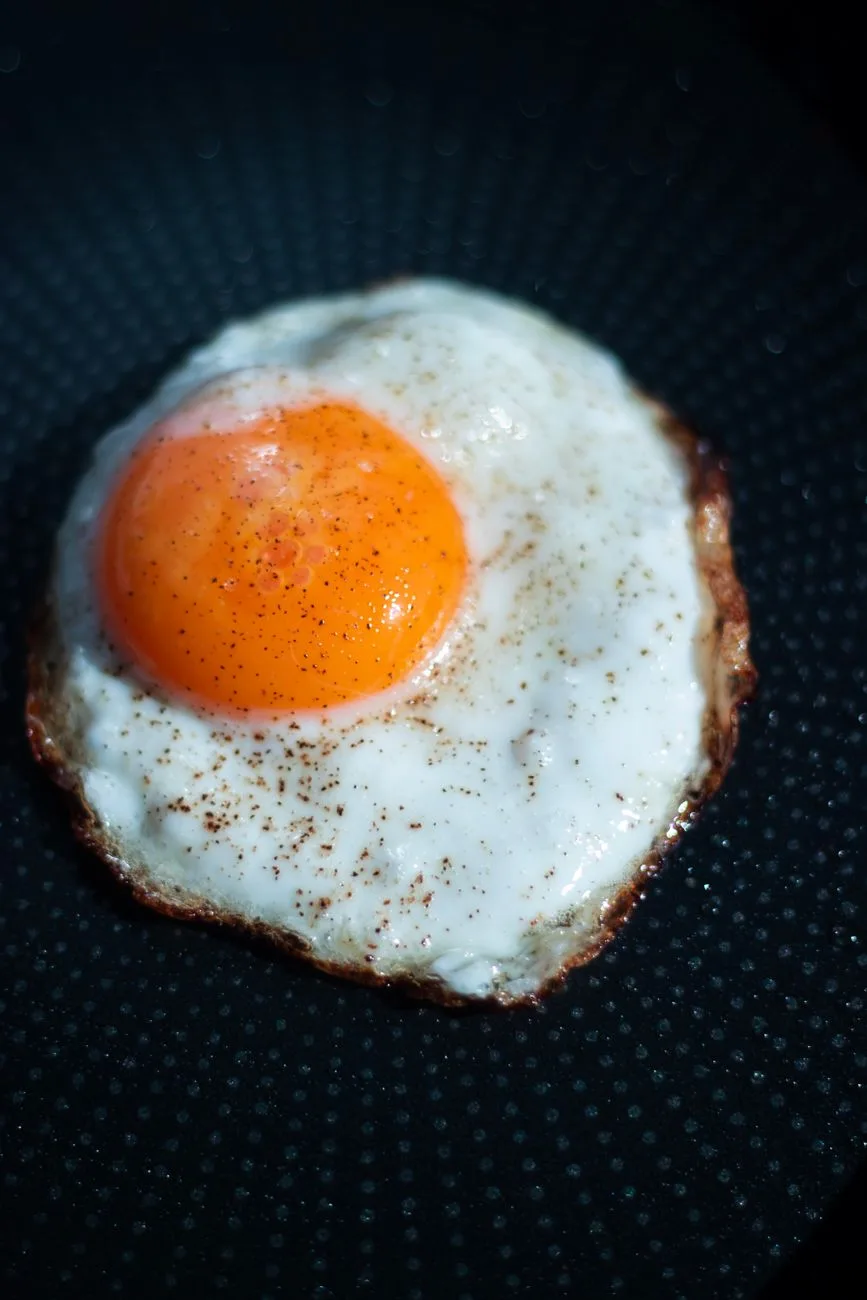
Hard anodized nonstick cookware usually feels easier from day one. You can cook eggs with little oil, flip delicate fish more confidently, and clean the pan with minimal effort. That convenience is the main reason many home cooks buy it.
Carbon steel starts out less forgiving. It often needs seasoning improvement, proper preheating, and enough cooking fat to perform well. New owners sometimes assume the pan is defective when food sticks, but sticking often comes from technique, weak seasoning, or rushing the preheat.
Once a carbon steel pan is well seasoned and used often, it can become impressively slick for many foods. Still, the surface behaves differently from factory nonstick. It rewards skill more than it offers automatic forgiveness.
Acidic and Delicate Foods
Tomato sauce, wine reductions, vinegar-heavy dishes, and long simmered acidic ingredients are usually better in hard anodized cookware, especially if it has an intact coated surface. Carbon steel can react with acidic foods and may lose seasoning if exposed for too long.
For delicate foods, hard anodized nonstick cookware usually has the edge at the start. Omelets, flaky fish, and crepes are easier for most people in a good nonstick pan. Carbon steel can do these jobs very well too, but it usually requires more setup and more confidence.
Browning and Fond Development
Carbon steel is better if you want deep browning and flavorful fond, which is the caramelized residue that forms on the pan and can be deglazed into sauces. Since the surface is bare seasoned metal, it encourages stronger browning than a slick coated nonstick interior.
Hard anodized nonstick cookware is not ideal for building fond. Food releases too easily, and many cooks intentionally choose it for that reason. If your style of cooking leans toward pan sauces, crusty proteins, and restaurant-style browning, carbon steel fits better.
Durability Comparison
Pan Body Durability
Both cookware types can be physically durable, but carbon steel is simpler and tougher in long-term use. It is a straightforward metal pan with no delicate interior coating to preserve. It can often withstand rougher handling, metal utensils, higher oven temperatures, and years of hard use.
Hard anodized cookware has a durable body too, but the body is not usually the weak point. The interior coating is. A pan may look solid on the outside while the cooking surface has become worn enough to reduce performance or make replacement sensible.
Scratch and Wear Concerns
Carbon steel will scratch, but minor scratches are usually cosmetic or easily covered by fresh seasoning. A spatula mark is rarely a serious issue. Surface discoloration, patchy seasoning, and uneven darkening are normal parts of ownership.
Hard anodized nonstick cookware needs gentler treatment. Metal utensils, abrasive scrubbers, high heat, aerosol cooking sprays, and stacking pans carelessly can all shorten coating life. Even with proper care, nonstick coatings are consumable surfaces, not permanent ones.
Long-Term Lifespan
In many kitchens, a carbon steel pan can remain useful for decades. If rust appears, it can often be scrubbed off and reseasoned. If seasoning becomes patchy, you can rebuild it. The pan usually remains recoverable unless it is severely warped or damaged.
Hard anodized cookware has a shorter practical lifespan if coated. Once release performance drops significantly or the surface becomes compromised, the pan often moves toward replacement rather than restoration. That is a major difference in Carbon Steel vs Hard Anodized Cookware.
Maintenance Comparison
Cleaning Routine
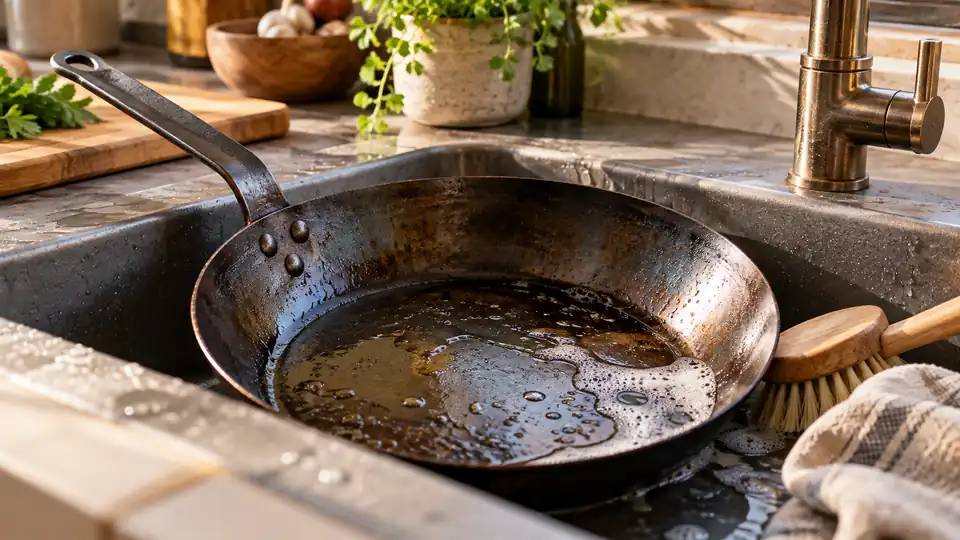
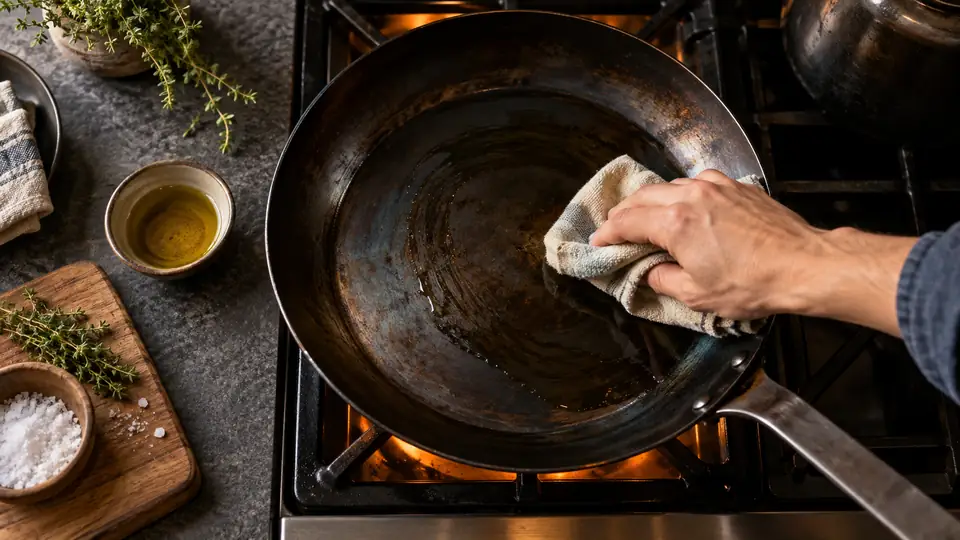
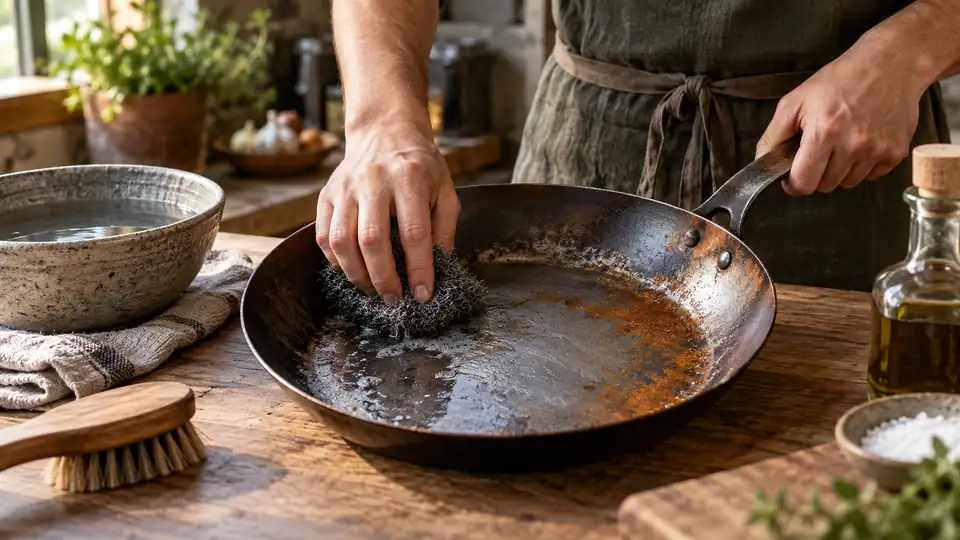
Carbon steel needs a specific routine. After cooking, clean with hot water and a soft scrubber or brush. Dry thoroughly right away, preferably with heat on the stove for a minute or two, then apply a very light coat of oil if needed. It is simple once familiar, but it is not carefree.
Hard anodized cookware is usually much easier to clean. A soft sponge, warm water, and mild soap are enough in most cases. Since it does not rust and does not need seasoning, it asks much less from the owner.
Seasoning and Surface Care
Seasoning is central to carbon steel ownership. It protects the metal, improves food release, and influences cooking performance. If you are still learning this process, a pre-seasoned carbon steel pan can shorten the adjustment period, though it still benefits from continued use and maintenance.
Hard anodized cookware does not need seasoning. In fact, many coated versions should not be treated like carbon steel at all. Overheating oil in a nonstick pan to imitate seasoning is unnecessary and can be counterproductive.
Rust, Corrosion, and Storage
Carbon steel can rust if moisture sits on the surface. This is one of the most common ownership issues. A pan left in the sink, air-dried poorly, or stored while damp may develop orange spots quickly.
Hard anodized cookware is much more forgiving here. It does not require the same drying discipline, and routine kitchen moisture is not a major concern. For cooks who want less maintenance pressure, that difference matters a lot.
Weight and Handling
Carbon steel is lighter than cast iron but still has noticeable heft. The thicker the pan, the more stable it tends to be over high heat, but the more substantial it feels in the hand. A 12-inch carbon steel skillet can be very manageable, though some people still find one-handed tossing tiring.
Hard anodized cookware is usually lighter, especially in larger pan sizes. That can make everyday sautéing, moving from sink to stove, and pouring out sauces easier. For people with wrist issues or anyone who prioritizes easy handling, this may be enough to sway the decision.
Handle design matters as much as material. Some carbon steel pans use long metal handles that stay cooler on the stovetop but make oven use straightforward. Many hard anodized pans use silicone-wrapped or riveted handles that feel comfortable, though their oven limits vary by model.
Cooking Applications
Where Carbon Steel Excels
- Steaks and chops that benefit from hard searing
- Smash burgers and crisp-edged patties
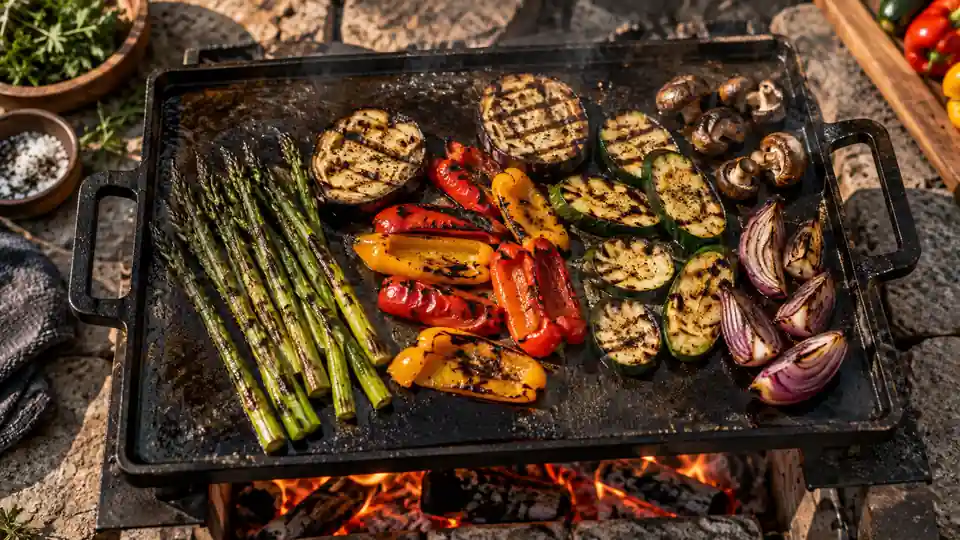
- Roasted vegetables started on the stovetop and finished in the oven
- Stir-frying over strong heat
- Pan sauces that rely on browning and fond
- Long-term everyday use where durability matters
Where Hard Anodized Cookware Excels
- Eggs with minimal sticking
- Pancakes and crepes with easy release
- Delicate fish fillets
- Low-fat cooking where extra oil is not desired
- Acidic dishes such as tomato-based sauces
- Quick cleanup after routine meals
Where Both Can Work Well
Chicken breasts, sautéed vegetables, grilled sandwiches, hash browns, and many one-pan meals can be made in either material. The difference is usually in the cooking feel. Carbon steel asks for more attention but offers better browning potential. Hard anodized cookware offers more ease but usually less high-heat flexibility.
Pros and Cons
Carbon Steel Pros
- Excellent for searing and browning
- Handles very high heat well
- Can last for decades with proper care
- Oven-friendly in many designs
- Develops a naturally seasoned cooking surface
- Usually safe with metal utensils
Carbon Steel Cons
- Needs seasoning and regular maintenance
- Can rust if not dried properly
- Less ideal for long acidic cooking
- Has a learning curve
- Surface appearance can look uneven or patchy
Hard Anodized Cookware Pros
- Easy to use right away
- Usually lighter than carbon steel
- Quick heating from aluminum construction
- Often very easy to clean
- Good for eggs, fish, and delicate foods
- No rust concerns in normal use
Hard Anodized Cookware Cons
- Nonstick interior usually has a limited lifespan
- Often less suitable for very high heat
- Not ideal for strong fond development
- Metal utensils may damage the surface
- Performance can decline as coating wears
Which One Should You Choose?
Choose Carbon Steel If
Choose carbon steel if your cooking style includes searing meat, crisping skin, stir-frying, browning onions deeply, or building pan sauces. It also makes sense if you prefer cookware that can be restored and maintained over many years instead of replaced once the interior surface wears out.
Carbon steel is also a good fit if you do not mind a little routine care. Drying the pan immediately, touching up seasoning, and accepting some cosmetic variation are part of the deal. For cooks who enjoy learning how a pan behaves, that is usually a benefit rather than a burden.
Choose Hard Anodized Cookware If
Choose hard anodized cookware if convenience is your priority. It is well suited to quick breakfasts, easy weeknight cooking, and tasks where simple cleanup matters more than maximum searing power. If your household wants a pan that works with less technique and less maintenance, it is the more forgiving option.
It is also the more practical choice if you frequently cook acidic dishes or if you do not want to think about seasoning at all. That ease is exactly why hard anodized cookware remains so common.
Choose Based on Your Real Habits, Not the Sales Pitch
People often buy cookware based on aspirational cooking rather than actual routines. A person who mostly cooks scrambled eggs, reheats leftovers, and sautés vegetables may genuinely prefer hard anodized cookware. A person who values crust, char, oven finishing, and long-term ownership will probably appreciate carbon steel more.
There is no need to force one pan to do everything. In many kitchens, carbon steel and hard anodized cookware complement each other well because each covers the other’s weak spots.
Common Buying Mistakes in Carbon Steel vs Hard Anodized Cookware
Assuming Hard Anodized Means Bare Metal Cooking Surface
One frequent misunderstanding is thinking that all hard anodized cookware has the same cooking surface. In reality, many pieces are hard anodized on the body but coated with nonstick inside. That means lifespan, utensil compatibility, and heat tolerance depend heavily on the interior coating, not just the anodized base.
Expecting Carbon Steel to Behave Like Factory Nonstick
Carbon steel is often described as naturally nonstick once seasoned, which is true to a point, but that phrase can create unrealistic expectations. It usually does not behave exactly like a fresh coated nonstick pan. Heat control, oil use, and seasoning quality still matter.
Ignoring Stove Type and Cooking Style
A heavy-duty gas setup favors the strengths of carbon steel. A low-power electric burner and a cooking routine centered on eggs and gentle sautéing may make hard anodized cookware feel easier. The more closely the pan matches your stove and food habits, the happier you will be with it.
Frequently Asked Questions
Is carbon steel healthier than hard anodized cookware?
That depends on what aspect you mean. Carbon steel uses a seasoned bare metal surface rather than a synthetic nonstick coating, which some people prefer. Hard anodized cookware is commonly coated, and users should follow manufacturer temperature and utensil guidelines to preserve that surface. Both can be safe when used as intended.
Does hard anodized cookware last as long as carbon steel?
Usually not in practical kitchen use, especially if it has a nonstick interior. The anodized body may remain intact for years, but the coating often determines the usable lifespan. Carbon steel can often be restored and kept in service much longer.
Can carbon steel replace hard anodized nonstick cookware?
It can replace it for many tasks, especially searing, sautéing, and frying. It is less convenient for some delicate foods and low-fat cooking, particularly while the seasoning is still developing. Some cooks replace nonstick entirely with carbon steel, but others prefer to keep both.
Is hard anodized cookware good for steak?
It can cook steak well, but carbon steel is usually better for strong searing and crust formation. Nonstick-coated hard anodized pans are also less suited to the very high heat that steak often benefits from.
Can you use metal utensils on hard anodized cookware?
If the pan has a nonstick interior, metal utensils are usually discouraged because they can scratch or wear the coating. If it is an uncoated hard anodized surface, the answer depends on the manufacturer’s guidance. Carbon steel is generally more tolerant of metal utensils.
Final Verdict on Carbon Steel vs Hard Anodized Cookware
Carbon Steel vs Hard Anodized Cookware is really a choice between performance and longevity on one side, and convenience and ease on the other. Carbon steel is stronger for high-heat cooking, better for browning, more repairable, and more likely to remain useful for decades. Hard anodized cookware is easier to live with day to day, especially if you want quick cleanup and a more forgiving surface from the start.
If you enjoy learning a pan, maintaining seasoning, and cooking with higher heat, carbon steel is usually the more rewarding material. If you want something simpler for routine meals, eggs, and delicate foods, hard anodized cookware often suits the job better.
The most useful choice is the one that matches how you actually cook. A pan that fits your habits will outperform a theoretically better material that you do not enjoy using. For cooks who value searing power and long-term ownership, carbon steel usually stands out. For cooks who value speed, simplicity, and easy release, hard anodized cookware remains a practical option.

Leave a Reply