
Professional cooks reach for carbon steel pans because they offer a rare mix of speed, control, durability, and versatility. In a busy kitchen, cookware has to respond quickly, survive heavy use, and handle everything from eggs to steaks to pan sauces. Carbon steel fits that job unusually well.
The appeal is not just tradition. Carbon steel heats faster than cast iron, tolerates high temperatures better than most nonstick pans, and develops a naturally slick seasoned surface over time. That makes it useful for searing, sautéing, frying, and even oven finishing. It also tends to be lighter than cast iron, which matters when a cook is lifting, tilting, and tossing pans all day.
Still, carbon steel is not perfect. It needs seasoning, it can rust if neglected, and acidic foods can strip or weaken its patina. Understanding why chefs use carbon steel pans means looking at both the performance advantages and the practical tradeoffs. Once those are clear, it becomes easier to see why carbon steel has remained a staple in restaurant kitchens for so long.
Quick Answer
Chefs use carbon steel pans because they heat quickly, handle very high temperatures, and become naturally more nonstick as seasoning builds up. They are also durable enough for daily commercial use and lighter than cast iron, which makes them easier to move during fast-paced cooking.
In practical terms, carbon steel helps with tasks chefs do constantly. It sears meat well, browns vegetables efficiently, handles shallow frying, and transitions easily from stovetop to oven. The pan responds quickly when the burner is turned up or down, so cooks have better control than they often get with heavier materials. That responsiveness matters in restaurant cooking, where a few seconds can change the result.
Chefs do accept some downsides. Carbon steel needs basic maintenance, including drying and occasional oiling. It is not ideal for long simmering of acidic ingredients like tomatoes, wine reductions, or citrus-heavy sauces. Even with those limitations, many cooks find the balance of speed, toughness, and cooking performance hard to match, which explains why carbon steel remains popular in professional kitchens.
Why Carbon Steel Stands Out in Professional Kitchens
A professional kitchen places very different demands on cookware than a typical home kitchen. Pans are heated hard, moved constantly, washed repeatedly, and expected to perform the same way throughout long service hours. Materials that seem fine at home can start to show weaknesses quickly under that kind of workload.
Carbon steel works well in this environment because it combines simple construction with reliable performance. Most carbon steel pans are stamped or spun from relatively thin but strong steel, which allows them to heat efficiently without becoming fragile. They do not rely on delicate coatings, and they are less prone to chipping or flaking than coated cookware.
There is also a practical reason chefs keep using them. Carbon steel rewards repetition. The more a pan is used correctly, the more seasoned and familiar it becomes. That consistency matters in a kitchen where cooks want predictable browning, a known hot spot pattern, and a pan surface that improves rather than degrades with use.
Key Benefits of Carbon Steel for Chefs
Fast Heat Response
One major reason why chefs use carbon steel pans is heat responsiveness. Carbon steel typically reacts faster to burner changes than cast iron. If a cook lowers the flame because garlic is starting to brown too quickly, the pan will cool down sooner than a comparable cast iron pan would.
This faster response helps during sautéing, pan-roasting, and delicate browning. In restaurant cooking, heat control is not just about getting food hot. It is about hitting the right point between pale, steamed food and scorched food. Carbon steel gives cooks a more direct connection between burner adjustment and pan behavior.
Excellent High-Heat Performance
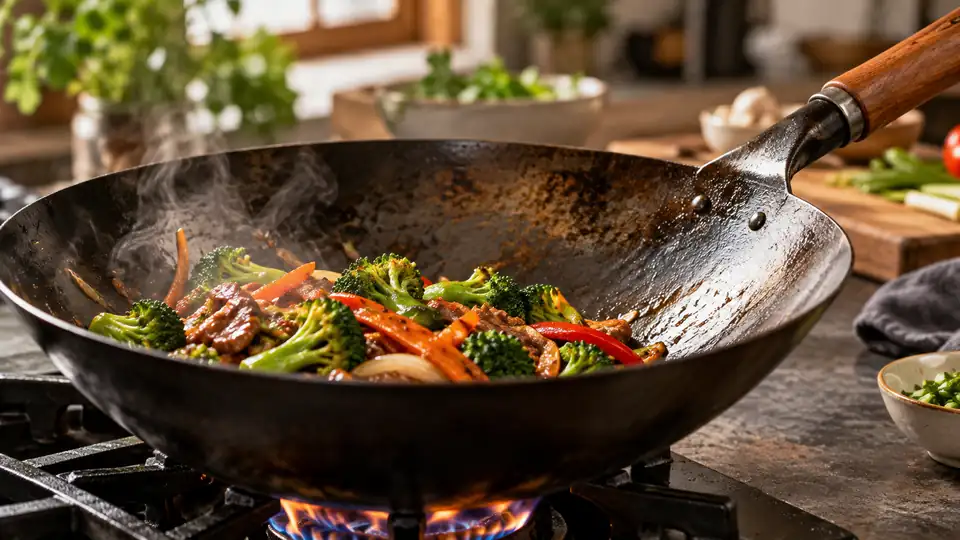
Carbon steel is especially comfortable at high temperatures. That makes it well suited for hard searing, blistering vegetables, shallow frying, and tasks that would quickly damage standard nonstick cookware. A chef can preheat the pan aggressively, add oil, and get strong browning without worrying about a synthetic coating.
That high-heat tolerance is one of the biggest practical advantages in restaurant settings. Good searing depends on driving off surface moisture fast and maintaining enough heat when food hits the pan. Carbon steel can do that reliably when used properly.
Natural Seasoning Improves the Surface
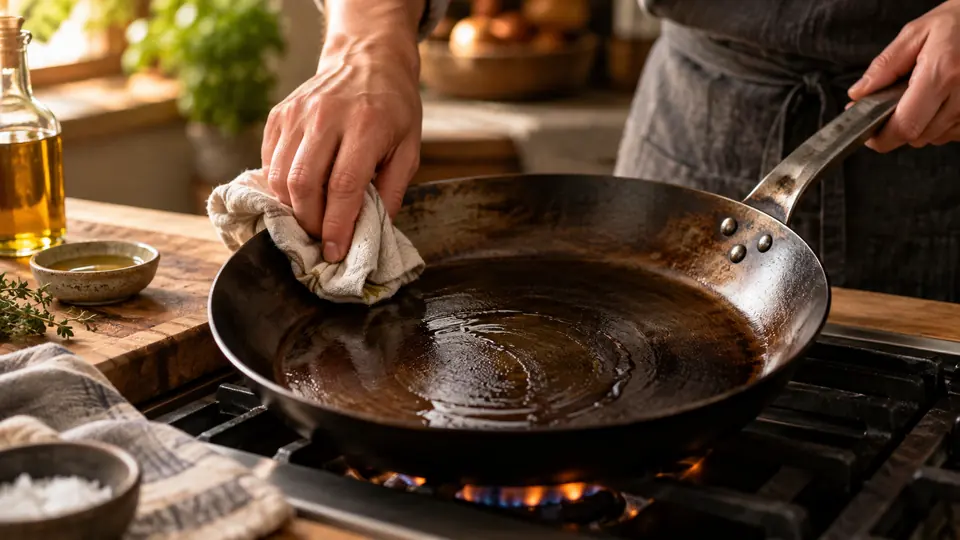
Unlike stainless steel, carbon steel can build a seasoned layer over time. Seasoning is a thin film of oil that has bonded to the metal through heat. This process, often called polymerization, creates a darker surface that can help reduce sticking and protect the pan from moisture.
Chefs value this because the cooking surface gets better with repeated use. A well-seasoned carbon steel pan is not identical to a new PTFE nonstick pan, but it can become impressively slick for eggs, fish, potatoes, and other foods that tend to cling. In many kitchens, the most used pans are often the darkest and smoothest.
Durability Under Heavy Use
Professional kitchens are hard on equipment. Pans are stacked, scraped, banged onto grates, and exposed to intense heat day after day. Carbon steel tolerates that abuse better than many alternatives.
There is no fragile nonstick coating to wear away through normal use, and the pan can often be restored even if it develops rust or patchy seasoning. That repairability matters. A carbon steel pan with a rough-looking surface can often be cleaned, reseasoned, and returned to regular service.
Lighter Than Cast Iron
Chefs often compare carbon steel to cast iron because both can be seasoned and both excel at browning. The difference is that carbon steel is usually lighter and easier to maneuver. That matters during service, especially for sauté cooks who repeatedly lift, shake, tilt, and transfer pans.
A lighter pan improves workflow. It is easier to baste with one hand, swirl hot oil, flip ingredients, or move the pan in and out of the oven. Over a long shift, that reduced weight becomes more than a convenience.
At-a-Glance Comparison
| Feature | Carbon Steel | Cast Iron | Stainless Steel | Standard Nonstick |
|---|---|---|---|---|
| Heat Responsiveness | Fast | Slow | Moderate to fast | Moderate |
| High-Heat Tolerance | Excellent | Excellent | Excellent | Usually limited |
| Natural Seasoning | Yes | Yes | No | No |
| Weight | Moderate | Heavy | Moderate | Light to moderate |
| Stick Resistance Over Time | Can become very good | Can become very good | Technique-dependent | Very good when new |
| Maintenance | Moderate | Moderate | Low | Low to moderate |
| Long-Term Durability | Excellent | Excellent | Excellent | Limited by coating wear |
Why Do Chefs Use Carbon Steel Pans Instead of Other Materials?
Carbon Steel vs Cast Iron
Cast iron holds heat very well, which is useful for deep browning and oven work. Carbon steel shares some of that performance but usually feels quicker and easier in the hand. A chef who needs to move a pan constantly may prefer carbon steel because it does not feel as heavy or sluggish.
Cast iron can be a better fit for some stationary tasks, such as baking cornbread or long heat-retentive searing. Carbon steel tends to shine more in active pan work where movement and responsiveness matter.
Carbon Steel vs Stainless Steel
Stainless steel is versatile and easier to maintain. It does not rust as readily, and it handles acidic ingredients better. It is also excellent for building fond and making pan sauces.
Even so, many chefs prefer carbon steel for foods that benefit from a more seasoned, lower-stick surface. Potatoes, eggs, fish fillets, and delicate proteins can be more forgiving in a good carbon steel pan. Stainless still has a place in professional kitchens, but it does not replace carbon steel for every task.
Carbon Steel vs Nonstick
Nonstick pans are convenient, especially for eggs and fragile foods, but they have limits. Most standard nonstick coatings do not like very high heat, metal utensils, or rough restaurant treatment. They also wear out.
Carbon steel offers a different kind of reliability. It needs more technique at first, but it tolerates stronger heat and can keep working for many years. In a kitchen that values durability and versatility, that tradeoff often makes sense.
Cooking Tasks Where Carbon Steel Excels
Searing Meat
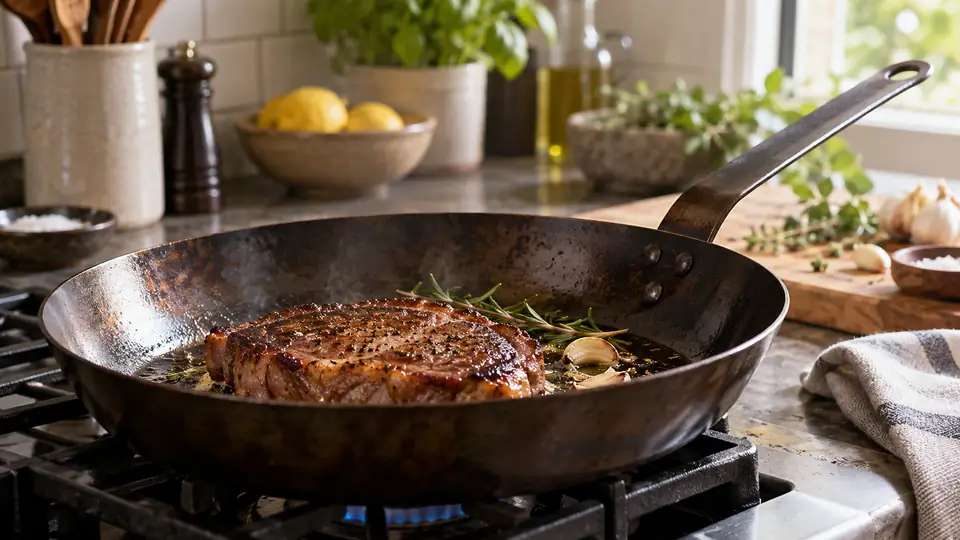
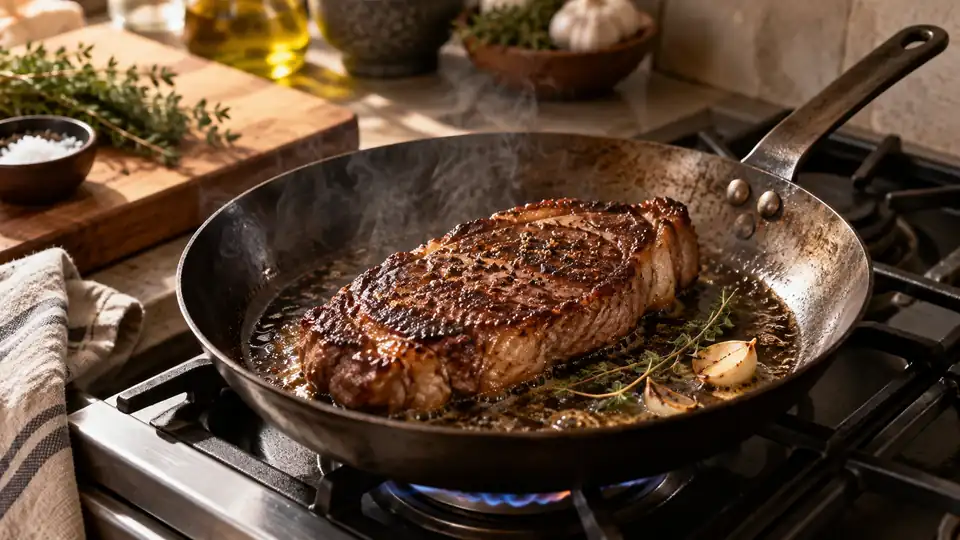
Chefs often use carbon steel for steaks, chops, burgers, and skin-on chicken because it can get hot enough for strong browning. A proper sear depends on contact, heat, and moisture control. Carbon steel supports all three.
Because the pan is responsive, a cook can start aggressively to build color, then reduce the heat to finish without burning the exterior. That kind of control is one reason it remains a favorite for proteins.
Sautéing Vegetables
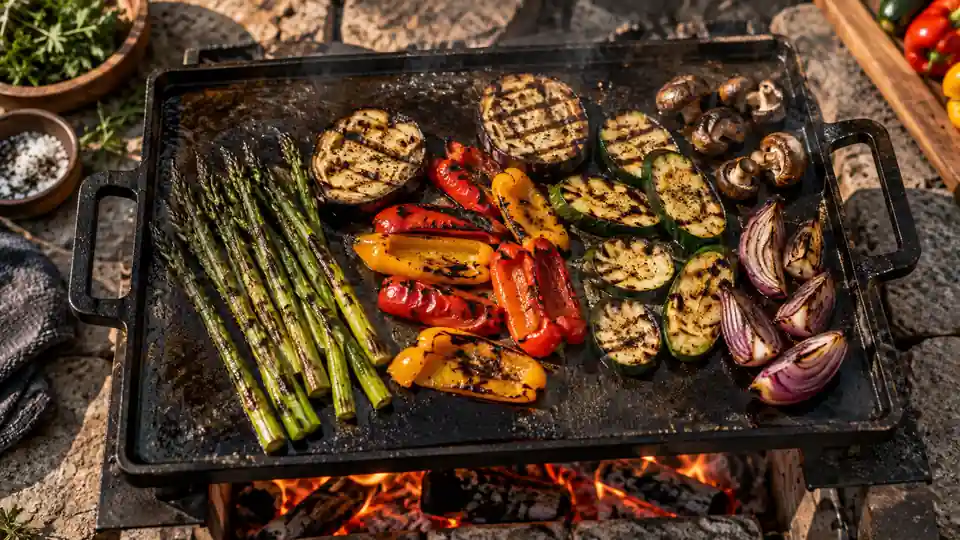
Vegetables need enough heat to brown rather than steam. Carbon steel helps by transferring heat efficiently and allowing cooks to toss or stir without the awkward weight of cast iron. Mushrooms, onions, peppers, cabbage, and green beans all benefit from quick browning in a hot pan.
In practice, the pan also recovers heat fairly well between batches, especially on strong burners. That helps maintain consistent texture and color.
Eggs and Delicate Foods
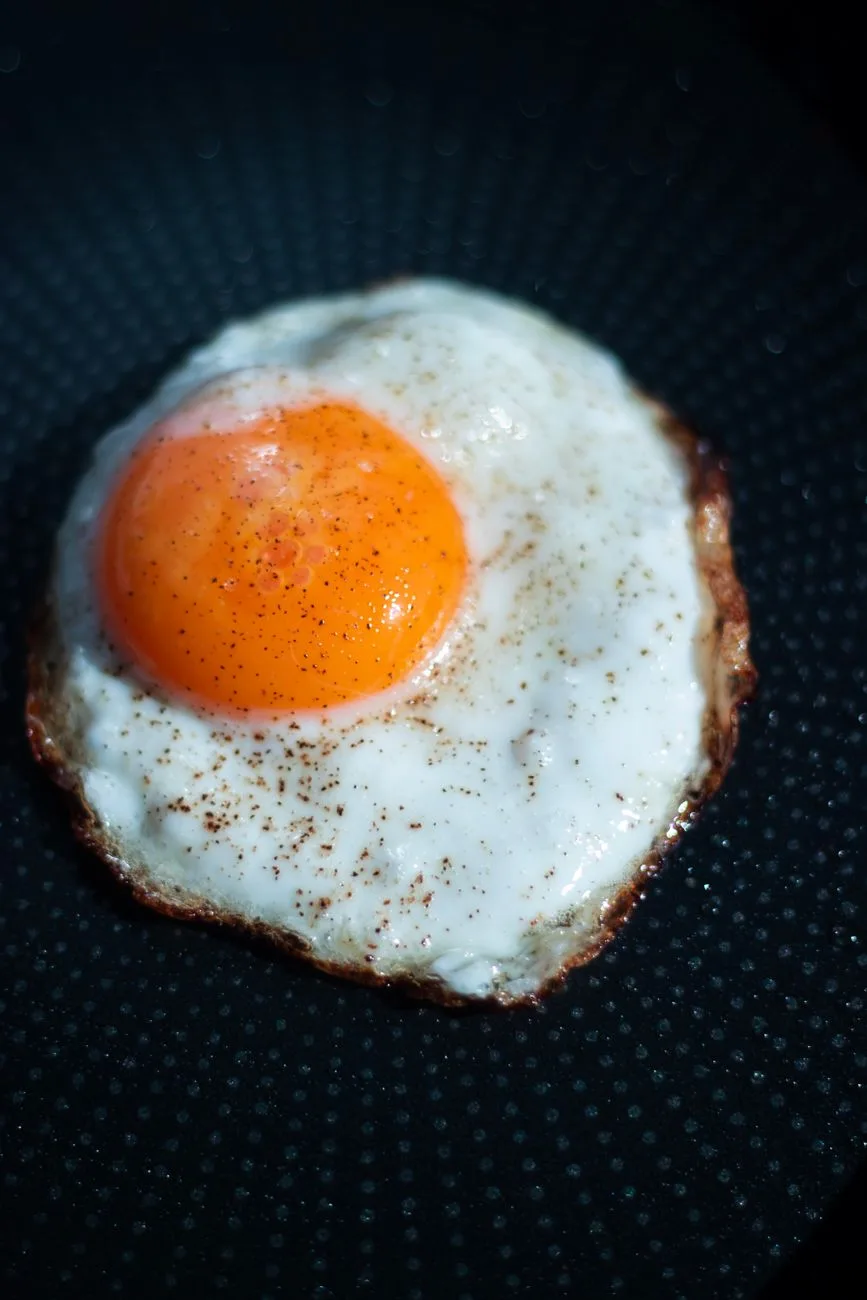
A well-seasoned carbon steel pan can handle eggs surprisingly well. This is one of the reasons line cooks and chefs often keep specific pans in regular rotation. Once a pan has developed a smooth seasoned surface, omelets, fried eggs, and crepes can release very cleanly.
That said, this is where technique matters most. Proper preheating, enough fat, and a stable seasoned layer make the difference. A new or poorly seasoned pan may still stick.
Fish Cookery
Fish can be tricky because it sticks easily and overcooks quickly. Carbon steel gives chefs the benefit of a relatively slick surface plus quick heat adjustment. It works well for crisping fish skin or browning fillets without overcommitting to a heavy pan that holds too much residual heat.
Stovetop to Oven Cooking
Many carbon steel pans can move directly from burner to oven. This is useful for dishes that need initial searing followed by oven finishing, such as thick pork chops, chicken thighs, or frittatas.
That flexibility reduces pan changes and keeps service moving efficiently. In professional cooking, fewer steps usually mean fewer opportunities for mistakes.
How Seasoning Contributes to Professional Use
Seasoning is central to understanding why chefs use carbon steel pans. It is not just a protective layer. It changes how the pan behaves. Repeated thin layers of heated oil create a darker surface that helps resist rust and can improve food release.
In a restaurant environment, pans are often used repeatedly for similar tasks. This helps the seasoning develop in a stable way. For example, a pan frequently used for sautéing vegetables or cooking proteins in fat may build a smoother surface faster than a pan that is constantly scrubbed or used for acidic foods.
Why Restaurant Pans Often Look Different
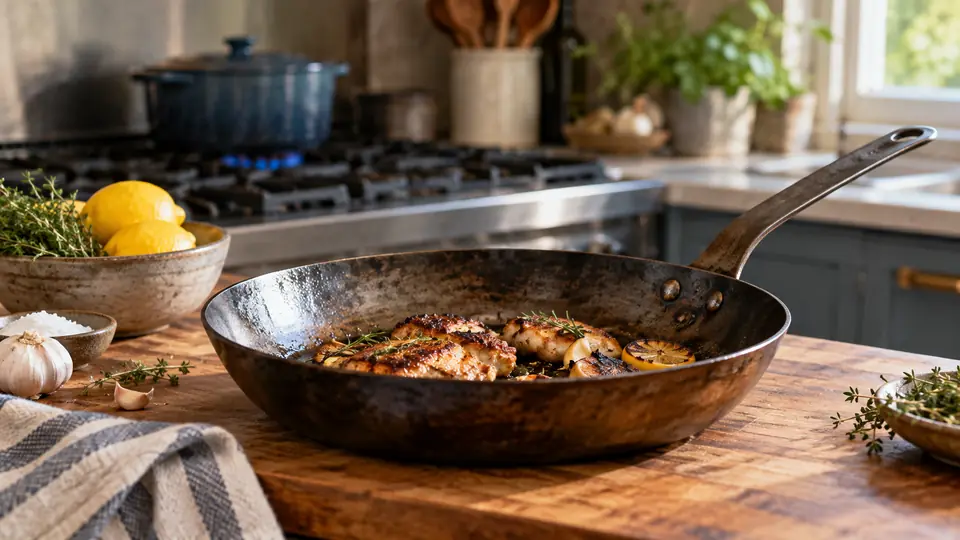
Home cooks sometimes expect a perfectly even black finish. Real working pans often look patchy, brown, bronze, or mottled. That does not automatically mean the seasoning is bad. A functional seasoned surface is more important than a perfectly uniform color.
Chefs tend to judge carbon steel by performance, not appearance. If the pan releases food well, resists rust, and cooks evenly enough for the task, it is doing its job.
Seasoning Is Maintenance, Not Decoration
One common misunderstanding is that seasoning must look flawless to work properly. In practice, restaurant pans often gain and lose small areas of seasoning depending on what is cooked. This is normal. Carbon steel performs best when cooks treat seasoning as an ongoing maintenance habit rather than a one-time project.
For readers interested in pans that come with a head start, pre-seasoned carbon steel pans can shorten the learning curve, although they still improve with continued use.
Heat Control and Why Chefs Value It
Heat responsiveness is one of the less obvious but most important strengths of carbon steel. A pan that responds quickly lets cooks make corrections in real time. That matters for shallots that are browning too fast, butter that is close to burning, or a chicken cutlet that needs a little less aggression after the crust forms.
Cast iron is often praised for heat retention, and rightly so. But high retention is not always the same as control. Carbon steel offers a balance. It gets hot enough for serious browning yet remains agile enough for active cooking.
Why This Matters on the Line
During service, cooks do not always have the luxury of slow, careful temperature adjustments. Orders move fast, ingredients vary in moisture and thickness, and burners are used continuously. Carbon steel supports quick decision-making because the pan reacts more promptly than heavier alternatives.
That does not mean it has no hot spots or no learning curve. It means the feedback between heat input and cooking result is easier to manage once the cook understands the pan.
Potential Drawbacks Chefs Accept
Carbon steel is not universally superior. It simply fits certain kinds of cooking very well. Professional cooks choose it with full awareness of its limitations.
It Needs Regular Care
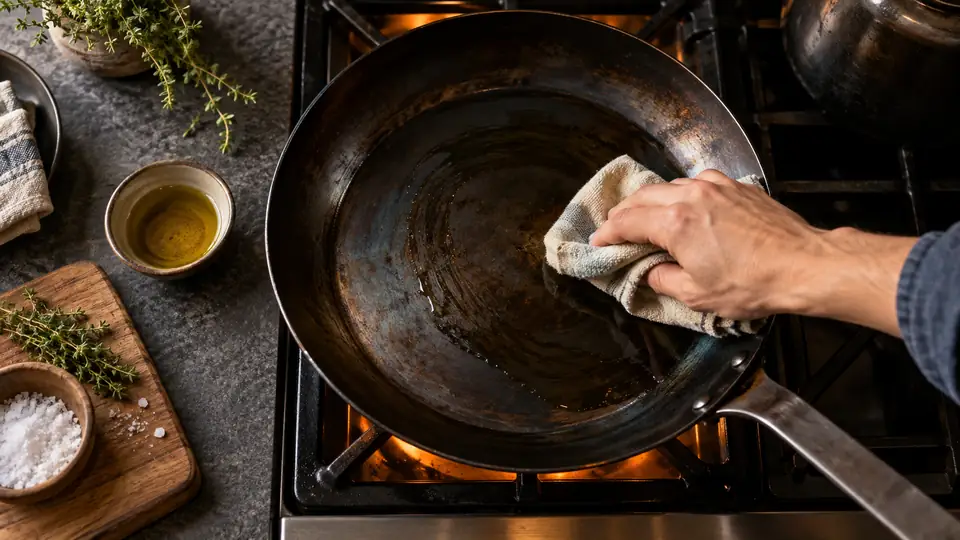
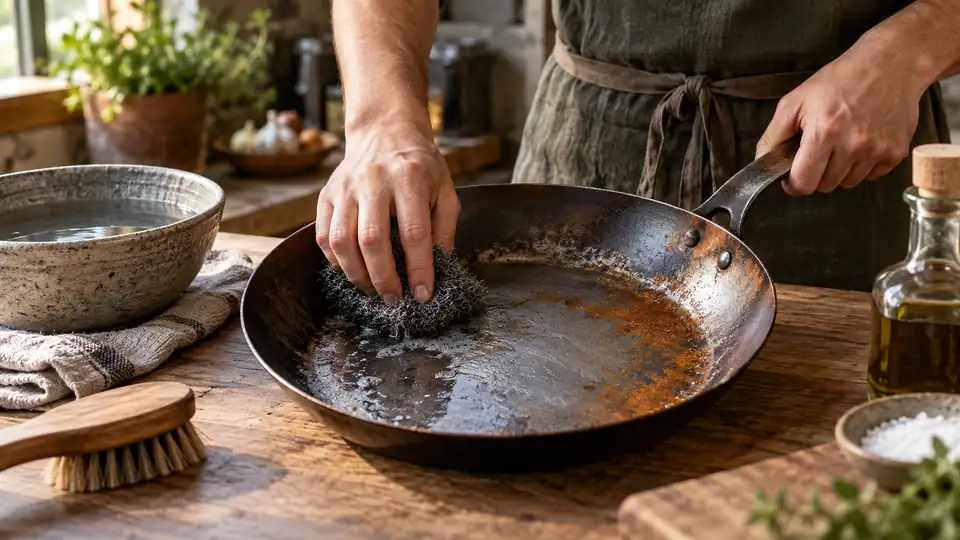
Carbon steel should be dried thoroughly after washing. Leaving water on the surface can lead to oxidation, which is the chemical process behind rust. A thin film of oil after cleaning can help protect the pan, especially in humid environments.
This care routine is not difficult, but it is more involved than with stainless steel. In a disciplined kitchen, that is manageable. In a careless one, carbon steel can deteriorate quickly.
Acidic Foods Can Strip Seasoning
Tomatoes, vinegar, lemon juice, and wine can weaken or remove seasoning, especially during longer cooking. That makes carbon steel less suitable for dishes like tomato braises, pan sauces with long acidic reduction, or shakshuka-style preparations.
Chefs often switch to stainless steel or enameled cookware for those tasks. Choosing the right pan for the right job is part of why professional kitchens keep multiple materials in rotation.
New Pans Can Be Sticky
A fresh carbon steel pan often needs time before it performs the way people expect. The first few uses can be frustrating if heat and oil are not managed well. Food sticking in the early stages is common.
Professional cooks usually work through this faster because the pans are used frequently. Home cooks may need a bit more patience while the seasoning develops.
It Can Warp Under Certain Conditions
Some carbon steel pans, especially thinner ones, can warp if heated too aggressively or unevenly, particularly on powerful induction or if placed over a small burner while empty. This does not happen to every pan, but it is a real consideration.
Chefs reduce that risk by preheating gradually and matching pan size to burner size whenever possible.
Who Benefits Most From Carbon Steel?
Professional Chefs and Line Cooks
This is the most obvious group. Carbon steel aligns well with commercial needs such as speed, high heat, durability, and active handling. In a kitchen where pans are used constantly, the seasoning improves quickly and the performance advantages become obvious.
Serious Home Cooks
Home cooks who enjoy searing, pan-frying, making omelets, or finishing dishes in the oven often appreciate carbon steel for the same reasons chefs do. It can be especially satisfying for people who like tools that improve with use rather than wear out.
Cooks Who Prefer Simplicity and Longevity
Carbon steel appeals to people who want durable cookware without delicate coatings. A pan can look rough, dark, and well used while still cooking beautifully. That kind of long-term practicality is part of the appeal.
Who Might Prefer Other Pan Materials?
Cooks Focused on Low Maintenance
If someone wants a pan that can soak in the sink, handle acidic sauces without concern, and require almost no maintenance, stainless steel may be a better fit. Carbon steel is simple, but it is not carefree.
Cooks Who Mainly Make Acidic Dishes
For tomato sauces, wine-heavy reductions, or citrus-based preparations, stainless steel or enameled cast iron is usually more convenient. Carbon steel can do brief acidic cooking, but it is not the strongest option for repeated long acidic use.
People Wanting Effortless Nonstick From Day One
If immediate slick performance with minimal learning is the top priority, a standard nonstick pan may feel easier at first. Carbon steel can become very smooth, but it asks for some seasoning, preheating awareness, and practice.
Common Mistakes People Make When Trying Carbon Steel Like a Chef
- Using too little preheat: A cool or unevenly heated pan is more likely to stick.
- Adding food too soon: Proteins often release better after the surface has had time to brown.
- Cooking acidic foods too long: This can strip seasoning and leave metallic flavors.
- Skipping drying after washing: Moisture left on the pan can create rust spots.
- Expecting the pan to look perfect: Patchy seasoning is normal and often harmless.
- Overcrowding the pan: This traps steam and reduces browning, especially during sautéing.
Best Practices for Getting Chef-Like Results
Preheat Gradually
Let the pan warm up over medium or medium-high heat rather than blasting it immediately. Gradual preheating helps reduce warping risk and improves evenness.
Use Enough Fat
Even a well-seasoned carbon steel pan usually performs better with a modest amount of oil or butter, depending on the dish. Restaurant cooking often uses more fat than home cooks realize, which contributes to better release and better browning.
Choose the Right Foods Early On
While the seasoning is building, cook foods that support the process. Potatoes, onions, pancakes, and proteins cooked with oil are often easier choices than delicate fish or bare scrambled eggs in a fresh pan.
Clean Without Overdoing It
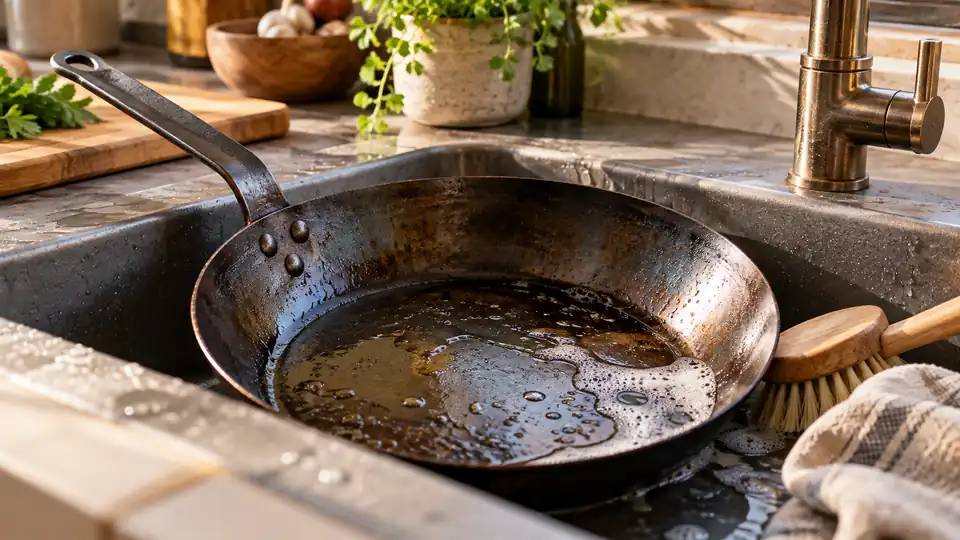
Wash with warm water and a soft brush or sponge when needed. Stuck-on bits can often be loosened with hot water and gentle scraping. After cleaning, dry the pan thoroughly and apply a very thin coat of oil if the surface looks dry.
Keep Expectations Realistic
Professional results come from repetition, not just the material of the pan. Carbon steel helps, but it still depends on good heat control, spacing, timing, and food preparation.
Frequently Asked Questions
Are carbon steel pans better than cast iron for chefs?
Not in every situation, but many chefs prefer carbon steel for active stovetop cooking because it is lighter and more responsive. Cast iron may still be favored for tasks that benefit from heavier heat retention.
Do chefs use carbon steel pans for eggs?
Yes, many do, especially once the pan is well seasoned. A properly preheated and seasoned carbon steel pan can cook fried eggs and omelets very well, though it may take more technique than a brand-new coated nonstick pan.
Why do restaurant carbon steel pans look blotchy?
Blotchy coloring is normal. Seasoning often develops unevenly based on heat patterns and the types of food cooked in the pan. Performance matters more than appearance.
Can carbon steel replace stainless steel in a kitchen?
No. Carbon steel and stainless steel each have strengths. Carbon steel is excellent for high-heat browning and seasoned-surface cooking, while stainless steel is usually better for acidic dishes and pan sauces.
Do carbon steel pans rust easily?
They can rust if left wet or stored carelessly, but rust is usually preventable with proper drying and light oiling. Even if rust appears, the pan can often be restored.
Is carbon steel good for home cooks, or only for chefs?
It can be excellent for home cooks who want durable, versatile cookware and do not mind a little maintenance. People who prefer low-maintenance pans may be happier with stainless steel or standard nonstick for some tasks.
Final Thoughts
Why do chefs use carbon steel pans? Because carbon steel offers a practical combination that suits demanding cooking: fast heat response, strong searing ability, oven compatibility, durability, and a seasoned surface that improves with use. Few other materials balance those qualities as well.
Its drawbacks are real. Carbon steel needs care, does not love acidic foods, and asks for some technique. Even so, chefs continue to choose it because the advantages show up where cooking performance matters most, especially in high-heat, fast-moving kitchens.
For anyone trying to understand professional cookware choices, carbon steel makes sense once you see it as a working tool rather than a maintenance-free convenience pan. Used properly, it is efficient, adaptable, and built for long-term cooking rather than short-term ease.

Leave a Reply